The Best Native Deer Foods in North Florida (And Where to Find Them)

By Timber & Marsh

When most hunters think about deer hunting, the conversation usually turns toward stands, funnels, wind direction, and rut timing. But one of the biggest keys to consistently finding deer in North Florida starts with understanding one thing:

Where is the food?

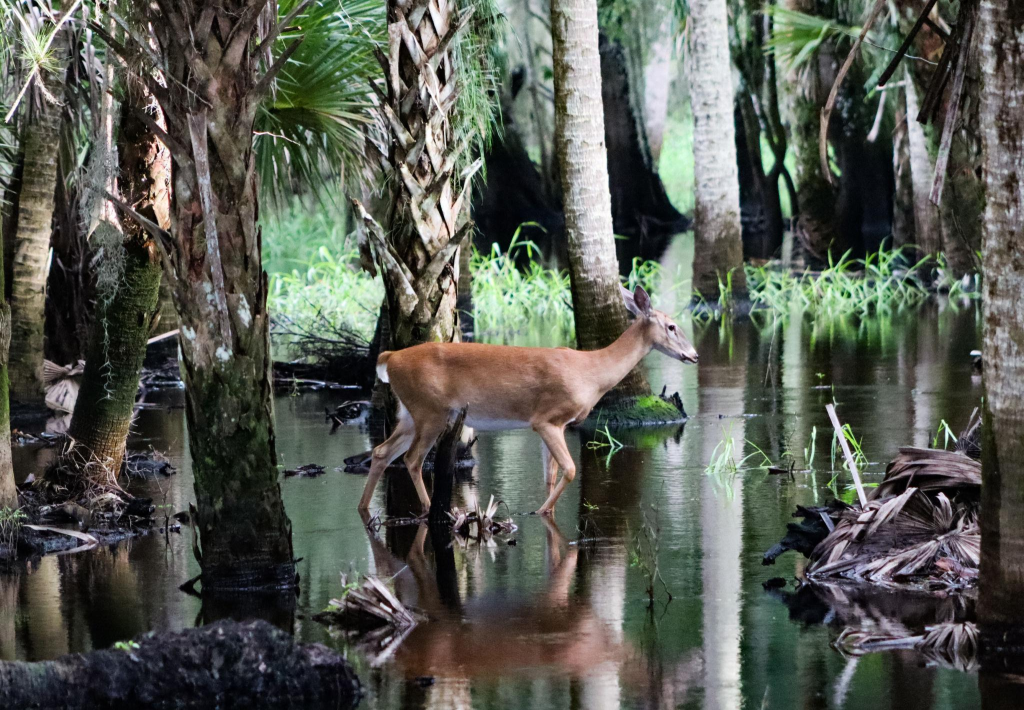
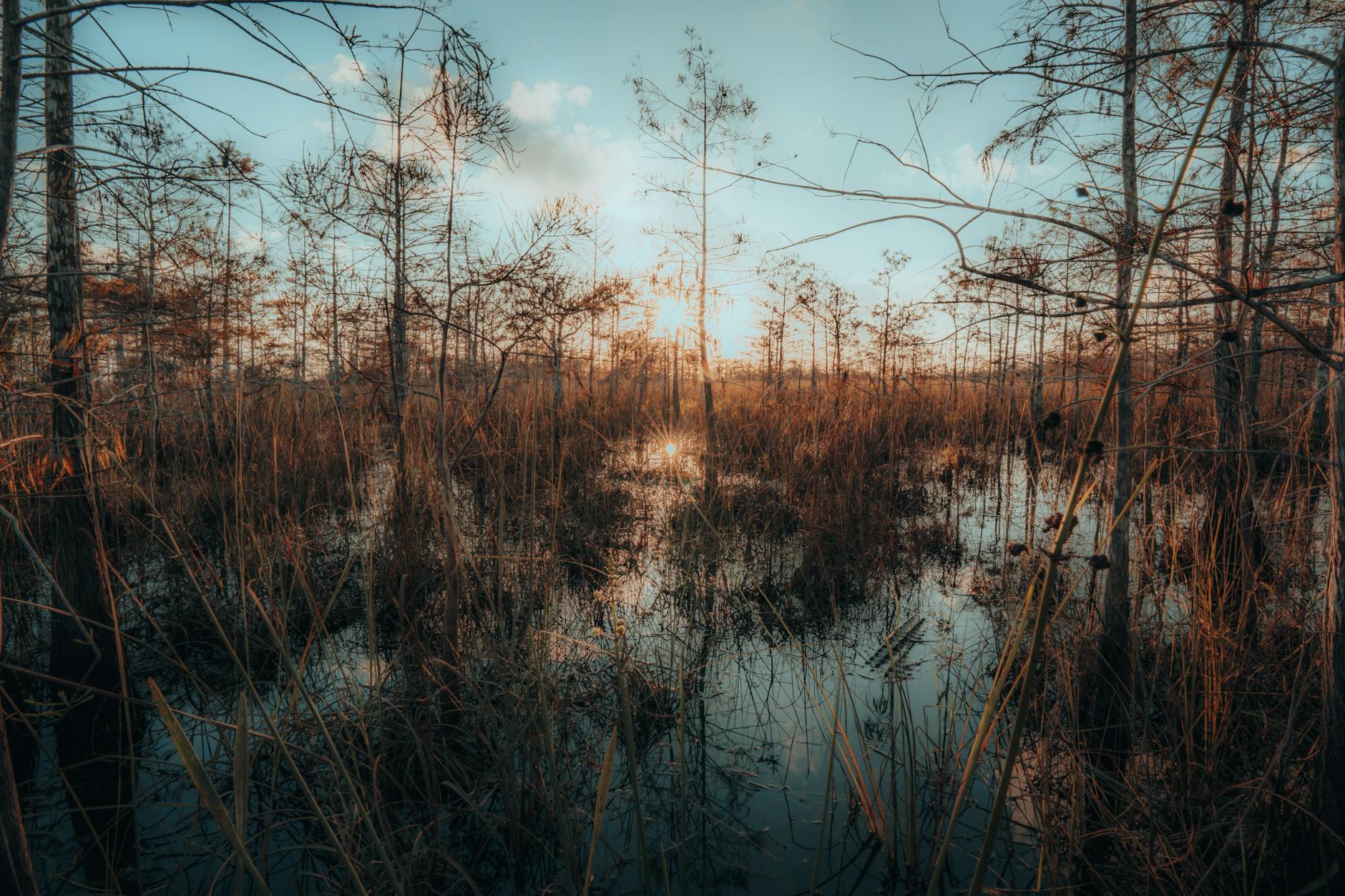
Florida’s deer live in a unique landscape of pine flatwoods, hardwood hammocks, swamps, agricultural edges, and river bottoms. Unlike agricultural states where deer can feed on massive soybean or corn fields, North Florida deer often survive by taking advantage of a wide variety of native plants, fruits, nuts, and browse.

Knowing these natural food sources can help you locate deer year-round — especially on public land where deer are not pressured the same way every hunter thinks.

Here are some of the best native deer foods found across North Florida.


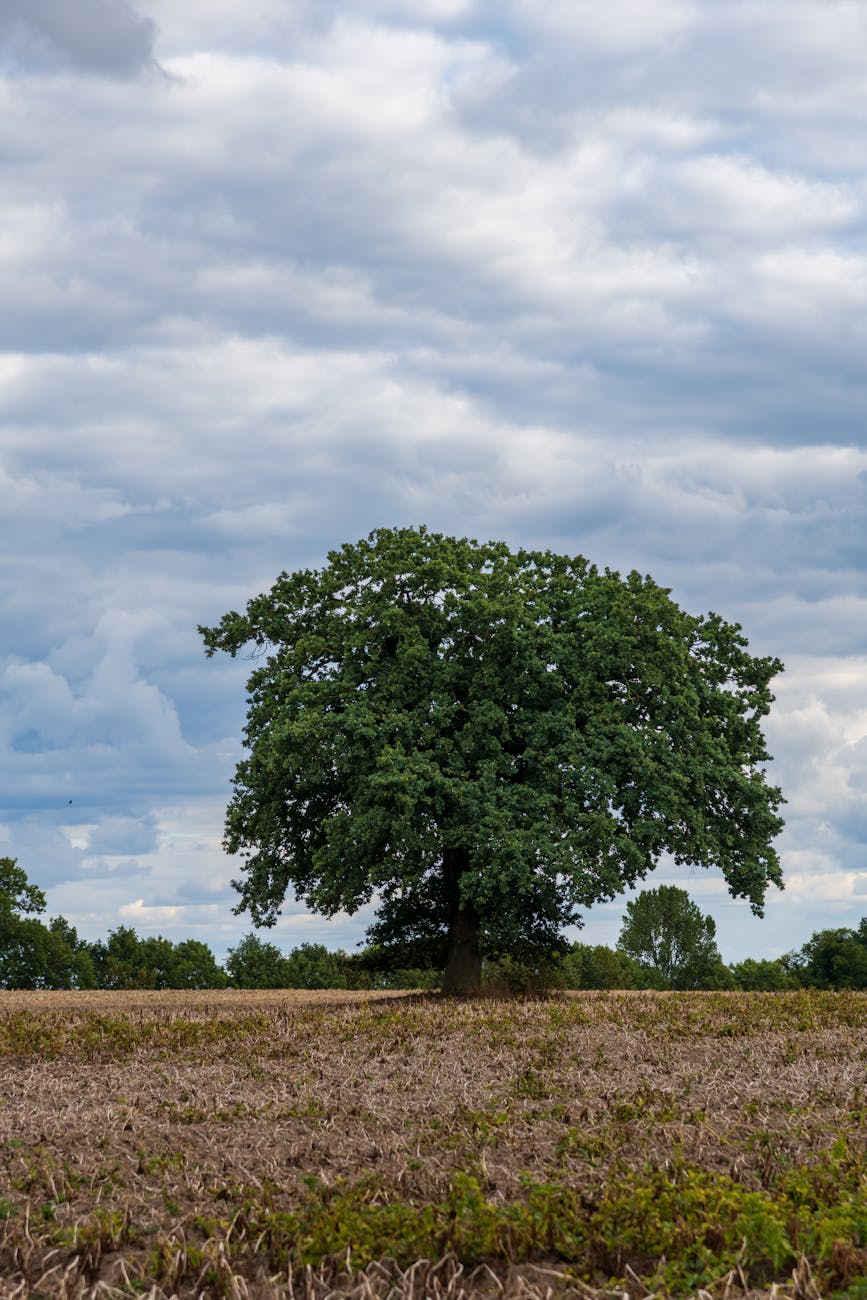
1. Acorns — The King of North Florida Deer Food

If you ask most experienced Florida hunters what food source they want to find, the answer is simple:

White oaks and acorns.

Acorns provide deer with a high-energy food source packed with carbohydrates and fats. When acorns start dropping, deer will often change their patterns overnight.

Some of the best acorn-producing trees in North Florida include:

  • Live oak
  • Water oak
  • Laurel oak
  • Swamp chestnut oak
  • Turkey oak
  • Post oak

Where to find them:

Look for oak hammocks and transition zones:

  • Along creek bottoms
  • Around swamp edges
  • Between pine plantations and hardwood areas
  • Old homestead sites
  • River floodplains

In places like Suwannee County, Lafayette County, Columbia County, and the surrounding Big Bend region, these hardwood pockets can be deer magnets.

A common mistake hunters make is sitting directly under the biggest oak tree. Mature bucks often stage nearby before entering the feeding area, especially during daylight.

Look for:

  • Trails leading into oak flats
  • Fresh droppings
  • Rub lines
  • Scrapes nearby

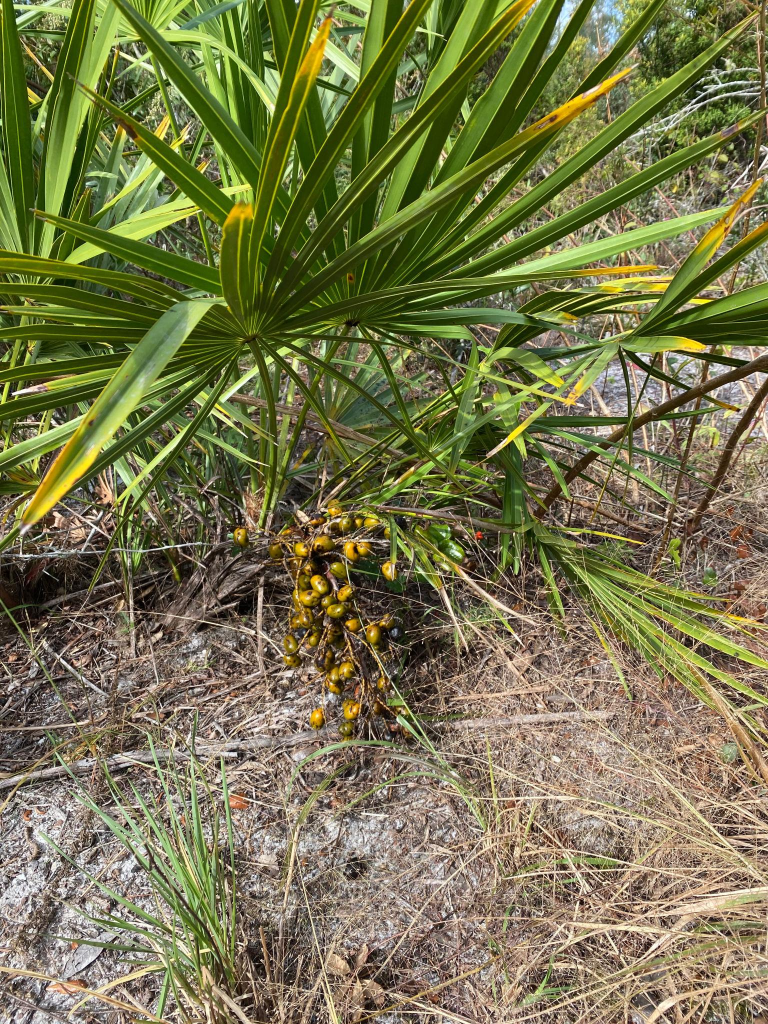
2. Saw Palmetto — The Florida Staple

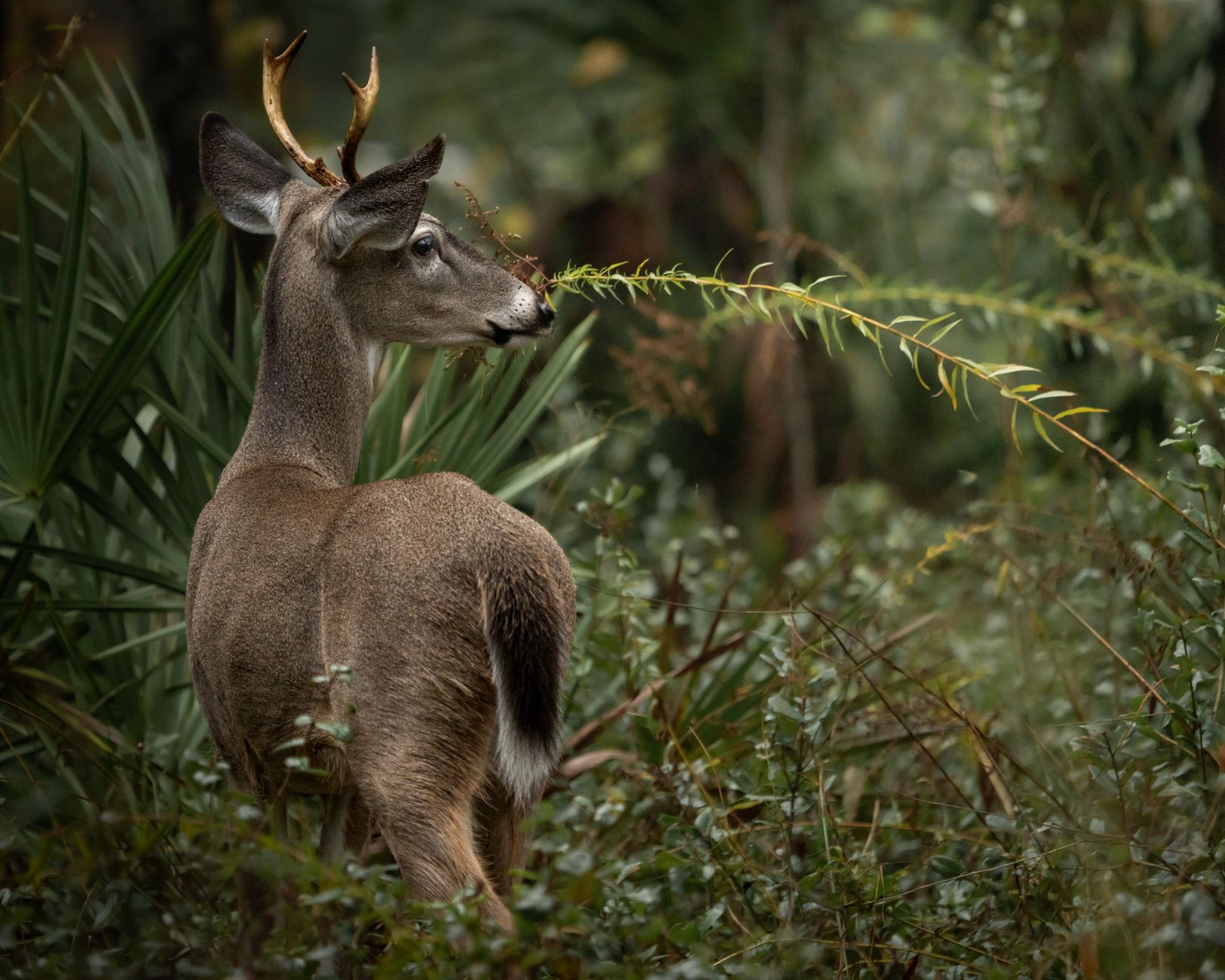
Saw palmetto is one of the most recognizable plants in Florida, and it plays a huge role in deer habitat.

While many people don’t consider palmetto a “food plot,” deer use it heavily.

They eat:

  • Palmetto berries
  • Young shoots
  • Leaves
  • Associated plants growing underneath

Palmetto also provides incredible bedding cover.

Where to find it:

Some of the best areas include:

  • Pine flatwoods
  • Sandhill habitats
  • Scrub areas
  • Old timberlands

Public hunting areas with large pine ecosystems often have plenty of palmetto.

Look for areas where palmetto meets:

  • Young pines
  • Hardwood drains
  • Wet-weather creeks

Those edges create security and food together.


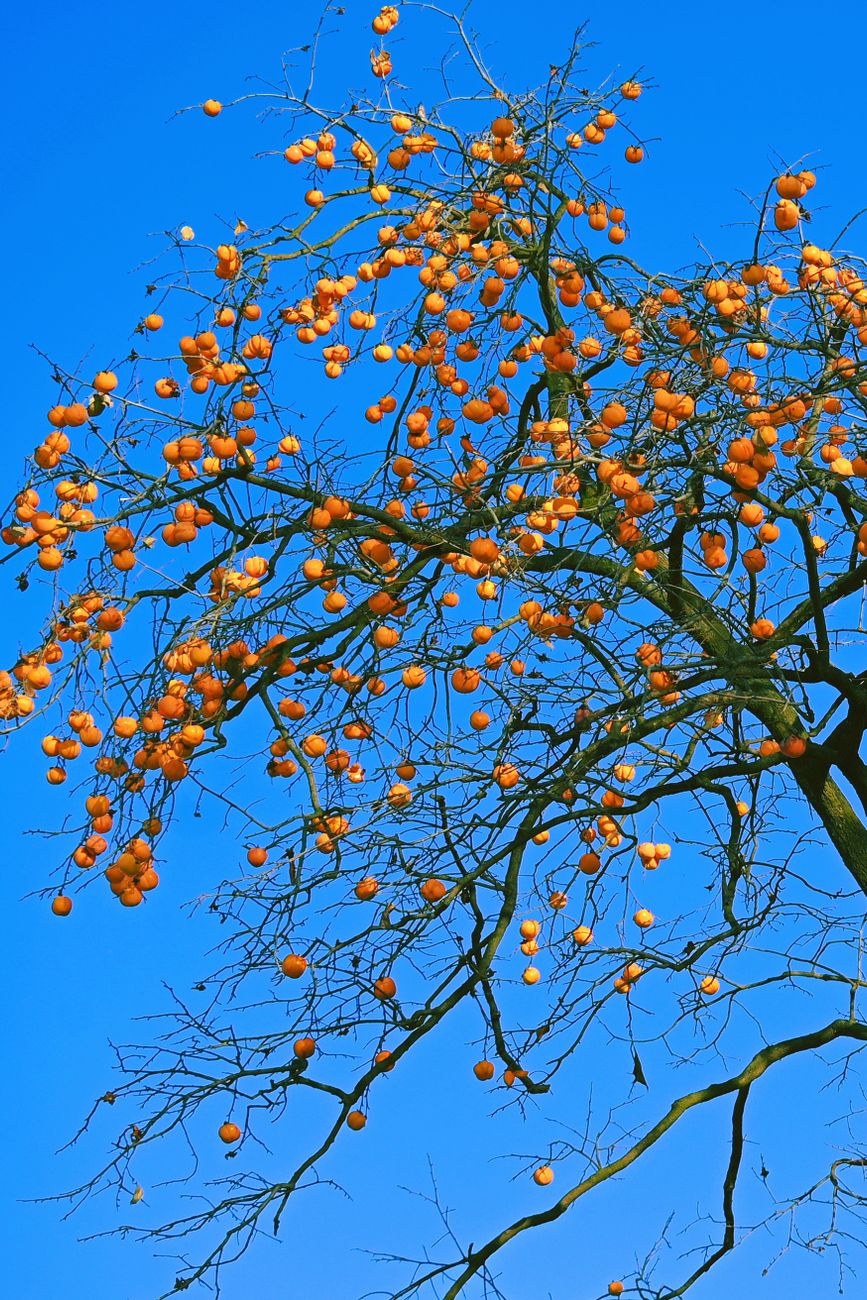
3. Persimmons — The September Deer Magnet

Persimmons are one of the most valuable native fruit trees for North Florida deer.

When they begin dropping, deer often abandon normal feeding patterns to target them.

Persimmons provide:

  • Natural sugar
  • Calories before winter
  • A highly preferred food source

Where to find them:

Persimmons commonly grow around:

  • Old fields
  • Farm edges
  • Fence rows
  • Creek bottoms
  • Abandoned homesteads

One of the best ways to find persimmons is not by looking for the tree — look for deer sign.

Find:

  • Heavy trails
  • Droppings
  • Tracks
  • Torn up ground beneath fruit trees

A single persimmon tree can be a better hunting location than 100 acres of average woods.


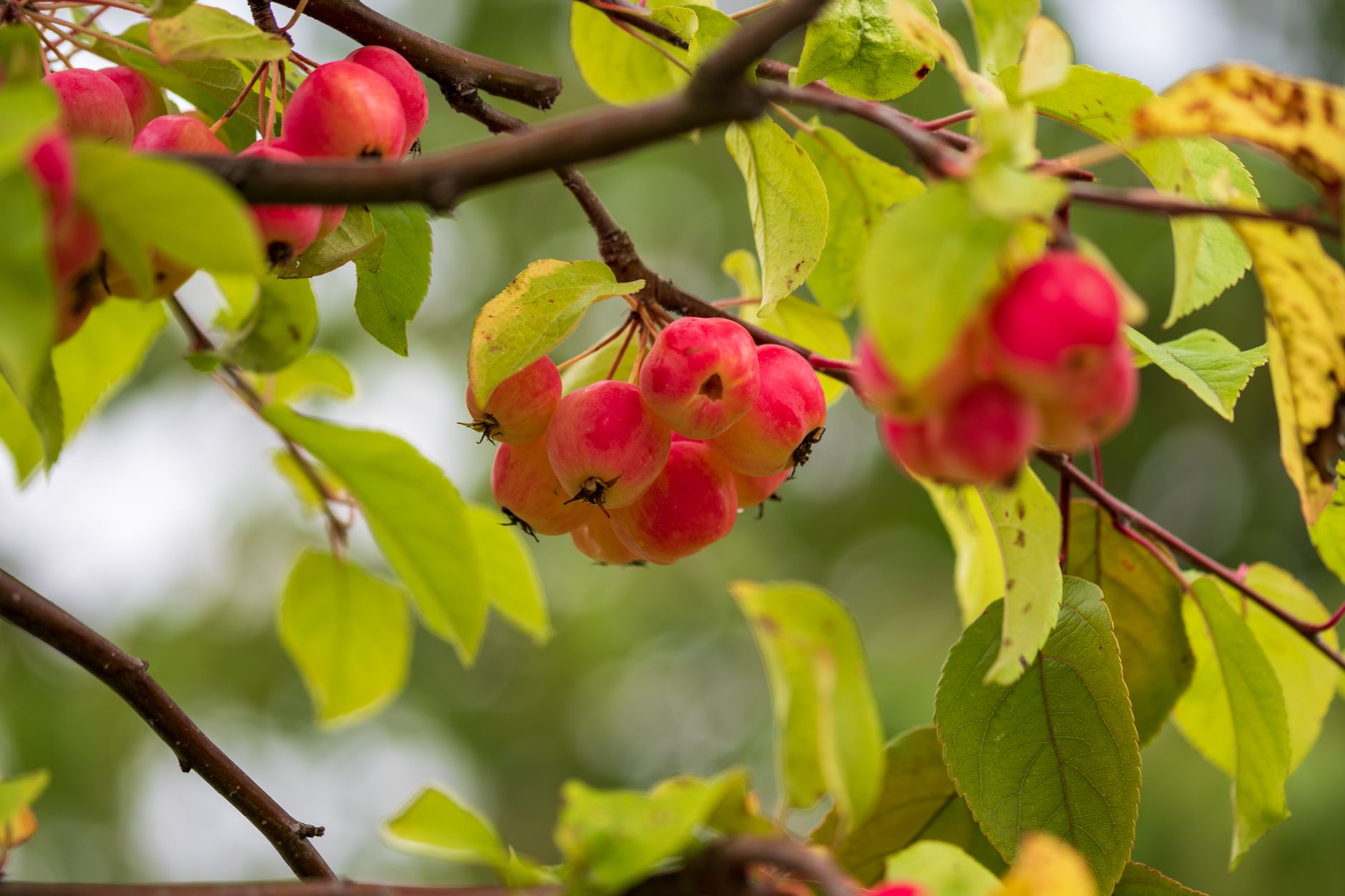
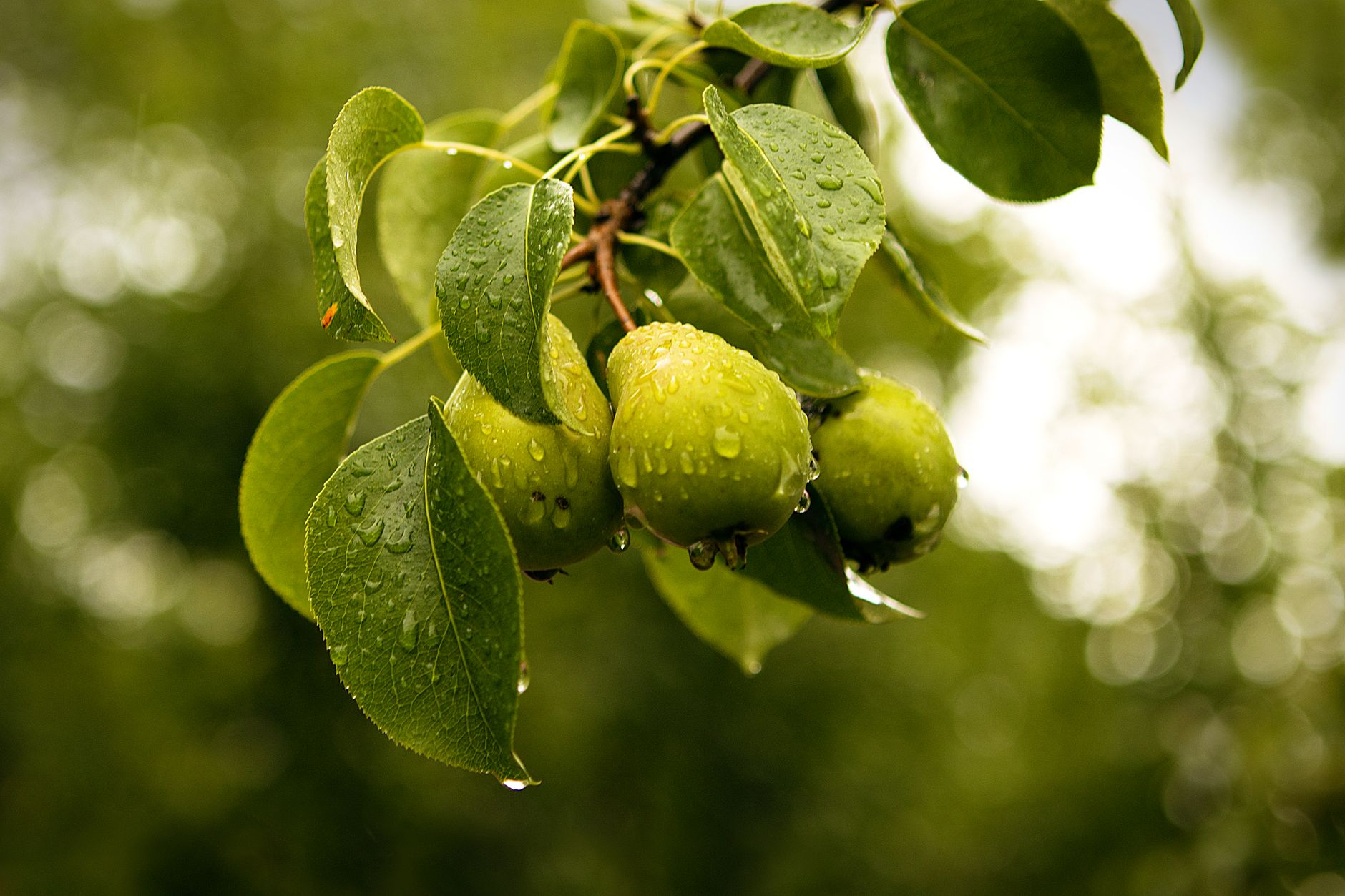
4. Mushrooms, Nuts, and Soft Mast

North Florida forests produce a surprising amount of natural deer food.

Deer consume:

  • Mushrooms
  • Wild grapes
  • Blackberries
  • Blueberries
  • Hickory nuts
  • Pecans
  • Various seeds

These foods are especially important during seasonal transitions.

Where to find them:

Look around:

  • Creek crossings
  • Damp hardwood areas
  • Edge habitat
  • Open timber

Areas with a mixture of sun and shade usually produce the most diversity.


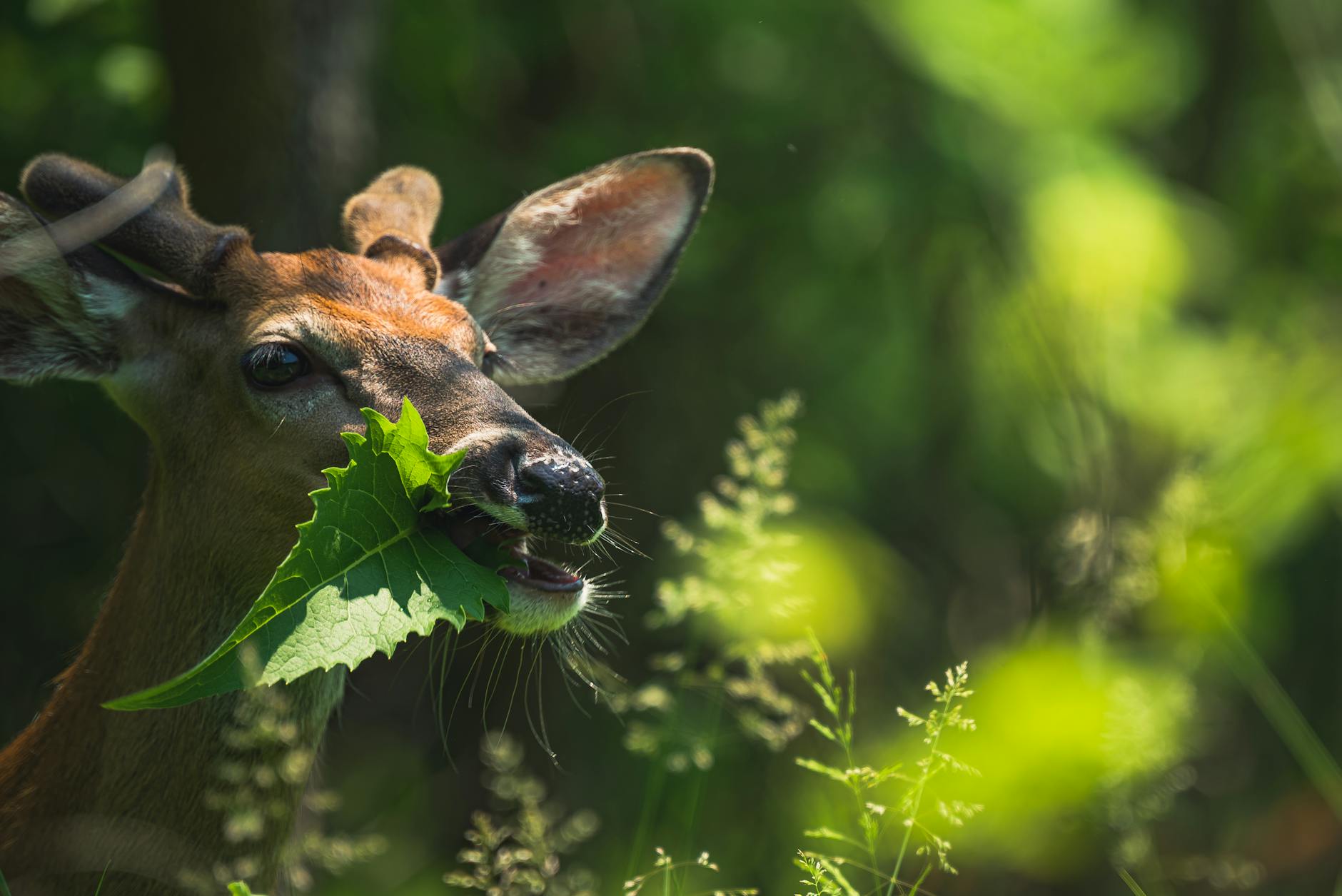
5. Native Browse — The Food Deer Eat Every Day

While fruits and acorns get the attention, deer survive on browse.

Browse includes the leaves and stems of woody plants.

Common Florida deer browse includes:

  • Blackberry
  • Greenbrier
  • Honeysuckle
  • Wax myrtle
  • Young oaks
  • Dogwood
  • Maple
  • Various native shrubs

A deer can eat thousands of bites of browse every day.

Where to find good browse:

Look for:

  • Recent timber cuts
  • Fire-managed pine forests
  • Young regrowth areas
  • Clear cuts 1–5 years old

Many hunters walk past these areas because they don’t look like “classic deer woods.”

In reality, young growth can hold deer all year.


6. Aquatic Plants & Swamp Edges

North Florida is full of wetlands, and deer are extremely comfortable living around them.

Swamp edges provide:

  • Food
  • Water
  • Security
  • Bedding cover

Deer will feed around:

  • Cypress heads
  • Marsh edges
  • Creek bottoms
  • Wet prairie areas

The key is finding the dry ground nearby.

Look for:

  • High spots inside wet areas
  • Trails crossing shallow water
  • Deer tracks entering and exiting wetlands

How To Find Deer Food Before Hunting

Before hanging a stand or setting up a camera, spend time scouting.

Look for:

Feeding Sign

  • Fresh droppings
  • Browsed plants
  • Tracks
  • Torn fruit

Travel Sign

  • Trails
  • Creek crossings
  • Pinch points

Bedding Areas

  • Thick cover
  • Palmetto patches
  • Swamp islands
  • Young pine growth

The best spots usually combine all three:

Food + Cover + Security


Final Thoughts

North Florida deer hunting is different from hunting farmland states. Success comes from learning the land.

A deer doesn’t need a food plot when the woods provide everything it needs.

The hunter who understands native foods will always have an advantage — because deer patterns are built around survival.

Find the food.

Find the deer.

Respect the land.

Timber & Marsh
Hunting • Fishing • Conservation • North Florida Outdoors

The Easton Newberry Bow Hunter’s Challenge: Florida’s Premier Preseason Archery Event

There’s something about late summer in Florida that gets bowhunters excited. Trail cameras start lighting up, food plots are growing, and broadheads start replacing field points. For many hunters across Florida and South Georgia, that excitement begins with one event every year — the Bow Hunter’s Challenge at the Easton Newberry Archery Center.

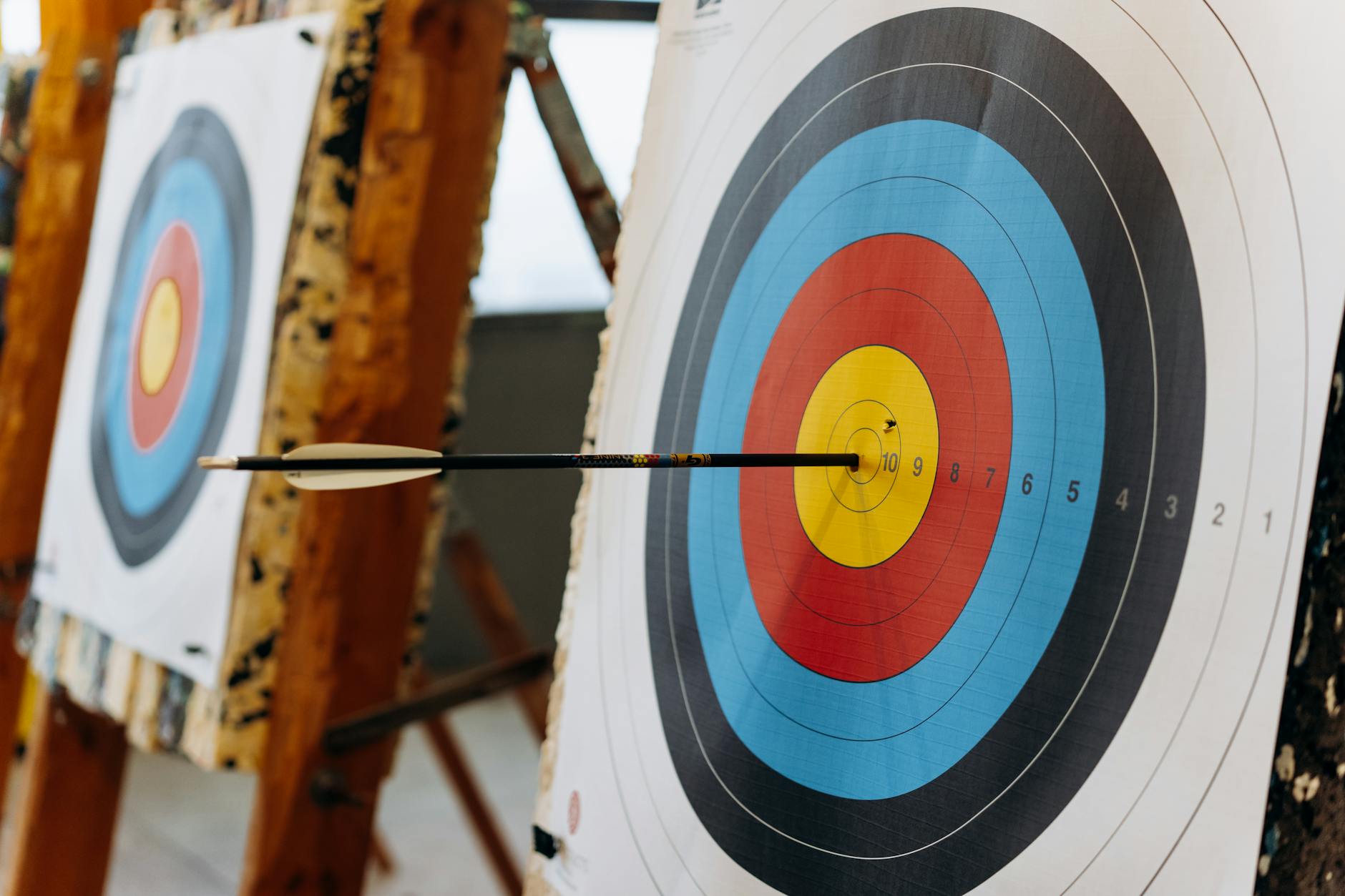
Held annually at the world-class Easton Newberry Archery Center in Newberry, Florida, this event has become one of the Southeast’s premier 3D archery competitions specifically designed with hunters in mind. It’s not just a tournament. It’s a chance to test your hunting setup, shoot under pressure, and prepare for the upcoming season in a realistic environment.

What Is the Bow Hunter’s Challenge?

The Bow Hunter’s Challenge is a large-scale 3D archery competition hosted by the Easton Newberry Archery Center every year in late summer before hunting season kicks off.

Unlike many competitive target archery events, this shoot is built specifically around hunting-style setups and realistic shot scenarios. Archers shoot life-sized 3D animal targets at varying distances while competing against others in their division.

The event combines competition, camaraderie, and preseason preparation into one of the most anticipated archery gatherings in Florida.

According to Easton Newberry, the event is designed to help hunters “dust off their hunting rigs” and get final preparation before heading into the woods for deer season.

2026 Event Details

The 12th Annual Bow Hunter’s Challenge is scheduled for August 29th, 2026 at the Easton Newberry Archery Center in Newberry, Florida.

Registration Information

Competitors can register online or by phone ahead of the event.

Pricing for 2026 includes:

  • $40 early registration before August 20th
  • $45 late registration
  • $55 onsite registration

Onsite registration runs from 8:00 AM to 9:00 AM, with announcements and shooting beginning at 9:00 AM.

One cool feature of preregistering is that shooters are automatically entered into the door prize drawings, which have become a major attraction of the event over the years.

Food vendors are also onsite from 11:00 AM to 2:00 PM, turning the shoot into an all-day event for competitors and spectators alike.

The 3D Competition Format

The main event features 20 3D targets laid out in a hunting-style course.

The competition uses ASA-style scoring and equipment rules with a few hunter-focused modifications. A 14-ring is included but must be called before the shot, and competitors shoot from different stakes depending on division and experience level.

One thing that makes this event unique is that it stays centered around practical hunting equipment instead of highly specialized tournament setups.

Hunter Setup Rules

The Bow Hunter’s Challenge allows realistic hunting rigs, including:

  • Stabilizers 12 inches or shorter
  • Fixed or adjustable pin sights
  • Magnification permitted
  • Rangefinders allowed

Broadheads are not permitted during competition.

For many bowhunters, this makes the event incredibly valuable because it allows them to practice with the same setup they’ll carry into the deer woods a few weeks later.

Divisions and Yardages

The event offers divisions for nearly every skill level and bow style.

Open Divisions

  • Maximum distance: 45 yards

Men’s Hunter & Senior Hunter

  • Maximum distance: 40 yards

Women’s Hunter, Barebow, Olympic Recurve, Bow Novice, and Young Adult Open

  • Maximum distance: 30 yards

Traditional and Youth Open

  • Maximum distance: 25 yards

This wide variety of divisions allows everyone from experienced competitive shooters to first-time 3D archers to participate comfortably.

The Challenge Rounds

One of the most talked-about parts of the Bow Hunter’s Challenge is the bonus challenge rounds after the main course.

Long Shot Challenge

The Long Shot Challenge tests archers at distances over 90 yards. Shooters pay per arrow for a chance to land closest to center and win a Delta McKenzie 3D target.

  • 1 arrow for $1
  • 6 arrows for $5

It’s part competition and part entertainment, and it always draws a crowd.

“Hold My Drink” Challenge

This challenge consists of five additional novelty-style targets shot after the main competition. Every competitor is automatically entered.

Archers can choose which challenges to attempt, but only get one shot per target. The shooter with the most successful hits walks away with another Delta McKenzie target prize.

These extra events are a huge reason why the Bow Hunter’s Challenge feels more like a community gathering than a standard archery tournament.

Why Bowhunters Love This Event

The Bow Hunter’s Challenge has become so popular because it bridges the gap between target archery and real hunting situations.

Shooting foam in your backyard is one thing. Walking through a wooded 3D course, judging angles, controlling nerves, and making one clean shot at each target is much closer to what hunters experience in the field.

Many archers also use the event as a final tune-up before archery seasons open across Florida and the Southeast.

The atmosphere is welcoming to beginners while still being competitive enough for experienced shooters.

The Easton Newberry Archery Center

The Easton Newberry Archery Center itself is one of the premier archery facilities in the country. Located just outside Gainesville, Florida, the facility regularly hosts major state and national archery tournaments.

The center features professional outdoor ranges, indoor facilities, and some of the best 3D archery infrastructure in the Southeast.

Its reputation has helped make the Bow Hunter’s Challenge a destination event for serious bowhunters throughout the region.

Sponsors and Door Prizes

Another reason this event has gained such a loyal following is the incredible sponsor support.

Over the years, companies including Hoyt, Bass Pro Shops, Gold Tip, Bee Stinger, Fuse, and Delta McKenzie have contributed prizes and support to the event.

According to Easton Newberry, previous Bow Hunter’s Challenge events have included over $5,000 worth of merchandise and giveaways for competitors.

Final Thoughts

For Florida bowhunters, the Bow Hunter’s Challenge is more than just a tournament. It’s the unofficial kickoff to hunting season.

It’s a chance to reconnect with fellow hunters, test your equipment under pressure, and spend a day shooting realistic targets with people who are just as obsessed with archery season as you are.

Whether you’re a competitive shooter or somebody simply trying to make sure your broadheads are flying true before opening morning, this event deserves a spot on your preseason calendar.

If you love bowhunting, 3D archery, and the culture surrounding both, the Easton Newberry Bow Hunter’s Challenge is one event you need to experience at least once.

North Florida Private Land Hunting Opportunites

For hunters in North Florida, especially around Suwannee County and the surrounding region, there are more opportunities than ever to experience professionally managed private land hunting. While public land hunting is deeply rooted in Florida tradition, private ranches and outfitted preserves offer something different — carefully managed habitat, limited hunting pressure, higher age-class deer, comfortable lodging, and in some cases, the opportunity to pursue exotic species that you simply will not find on public ground.

From the pine flats of Suwannee County to massive high-fence ranches stretching across North Florida, hunters can find everything from classic whitetail hunts to fully guided exotic game experiences. Whether you are looking for a trophy buck, a corporate hunting retreat, or a once-in-a-lifetime axis deer or blackbuck hunt, North Florida has quietly become a destination for private ranch hunting.

The Rise of Private Ranch Hunting in North Florida

Over the last decade, many private landowners in North Florida have shifted toward intensive wildlife management. Large tracts of timberland, cattle ranches, and agricultural properties are now being managed specifically for hunting opportunities.

These operations typically focus on:

  • Supplemental feeding programs
  • Habitat management
  • Controlled harvest strategies
  • Limited hunter numbers
  • Mature age-class deer
  • Guided experiences and lodging

Some ranches operate as traditional low-fence hunting properties, while others use high fencing to intensively manage deer genetics and exotic game species. These ranches often provide opportunities that are difficult to find elsewhere in Florida, including hunts for axis deer, blackbuck antelope, oryx, red stag, sika deer, fallow deer, elk, and other non-native species.

Notable Private Hunting Opportunities in North Florida

IronWood Preserve

Located in Suwannee County, IronWood Preserve has become one of the better-known private hunting destinations in the region. The preserve focuses heavily on upland bird hunting and whitetail opportunities while offering a true North Florida experience with pine woods, managed habitat, and private-group hunts. Their property spans thousands of acres and caters to hunters looking for a quieter, more personalized atmosphere rather than crowded hunting clubs.  

What makes places like IronWood attractive is the overall experience — quality lodging, guided hunts, bird dogs, and a traditional Southern hunting camp feel that is becoming harder to find.

Legacy Ranch

Just north of Suwannee County near Jennings, Legacy Ranch markets itself as a premier North Florida whitetail destination. The ranch sits in Florida’s famed “Blackbelt” region, known for fertile soils and quality deer habitat. Hunters can expect rolling hills, oak hammocks, pine plantations, and managed deer populations.  

Legacy Ranch appeals to hunters who want a more refined private-land experience while still feeling like they are hunting natural Florida terrain.

Roberts Ranch

Roberts Ranch is one of the most recognized high-fence hunting operations in Florida. Located in Putnam County, the ranch encompasses roughly 11,000 acres, with thousands of acres enclosed by high fencing and intensively managed for trophy whitetails and exotic game.  

Hunters here can pursue:

  • Trophy whitetail deer
  • Axis deer
  • Blackbuck antelope
  • Oryx
  • Pheasant
  • Alligator

Roberts Ranch has built a reputation for producing exceptionally large Florida whitetails through long-term genetic management and controlled harvest programs. For hunters wanting a true trophy-focused experience, this is one of the highest-profile destinations in the state.

Exotic Hunting Opportunities in Florida

Many hunters are surprised to learn that Florida has become a legitimate destination for exotic game hunting. Thanks to the climate and large private ranches, numerous non-native species thrive here.

6M Ranch

Located near Chiefland, 6M Ranch combines a luxury lodge atmosphere with large-scale hunting opportunities on working cattle ranch land. The property offers hunts for whitetails, Osceola turkey, and a variety of exotic species.  

This style of ranch is becoming increasingly popular for:

  • Corporate retreats
  • Family hunting trips
  • Guided exotic hunts
  • Multi-species hunting packages

Many of these ranches now rival the experience traditionally associated with Texas exotic hunting operations.

Ross Hammock Ranch

Ross Hammock Ranch is another well-known Florida hunting preserve offering both native and exotic species. Hunters can pursue whitetails, hogs, Osceola turkey, and an extensive lineup of exotic animals including:

  • Axis deer
  • Sika deer
  • Fallow deer
  • Red deer
  • Elk
  • Water buffalo
  • Bison
  • Exotic sheep and goats  

Operations like Ross Hammock Ranch showcase how diverse Florida hunting opportunities have become beyond traditional deer camps.

The Debate Around High-Fence Hunting

High-fence hunting remains one of the most debated topics in the hunting community. Some hunters view it as highly managed conservation and livestock-style wildlife production, while others believe it conflicts with traditional fair chase ethics.

Online hunting communities often show mixed opinions. Some hunters argue that large high-fence ranches can still provide challenging hunts and extensive habitat, while others feel the fences fundamentally change the experience.  

At the same time, supporters point out that many private ranches:

  • Invest heavily in habitat conservation
  • Maintain healthy wildlife populations
  • Protect large tracts of undeveloped land
  • Generate funding for wildlife management
  • Offer access to hunters who may not otherwise have private land opportunities

Ultimately, whether someone prefers public land, low-fence private land, or high-fence trophy ranches comes down to personal preference and hunting philosophy.

Beyond Trophy Hunting

One of the biggest misconceptions about private ranch hunting is that it is only for wealthy trophy hunters. While some elite ranches certainly cater to that market, many North Florida properties also offer:

  • Meat hunts
  • Hog hunts
  • Youth hunts
  • Corporate events
  • Turkey hunts
  • Bird hunting packages
  • Seasonal hunting leases

There are also increasing opportunities for hunters to secure smaller private leases across Suwannee and surrounding counties through timber companies, agricultural landowners, and local connections. Properties like Valley View Outfitters and regional timber operations continue to provide alternative hunting access for sportsmen looking to get off crowded public land.  

Final Thoughts

North Florida’s hunting culture has always been rooted in tradition — pine plantations, oak hammocks, swamp edges, dog drives, and generations of deer camps. But today, a new side of the region’s hunting industry is emerging through professionally managed private ranches and exotic hunting operations.

Whether your dream hunt is a mature North Florida whitetail, an axis buck on a sprawling cattle ranch, or simply a quiet weekend hunting private land with friends and family, the Suwannee Valley and surrounding counties offer more opportunities than many hunters realize.

And as access to quality hunting land becomes increasingly difficult nationwide, private ranches will likely continue playing a growing role in the future of hunting across North Florida.

Public Land Gear Checklist

What You Actually Need — And What You Probably Don’t

There’s something special about hunting public land. No gates with your name on them, no planted food plots waiting for you, and no guarantees. Just boot leather, scouting, and figuring things out the hard way. That’s what makes success on public land feel earned.

But one mistake a lot of hunters make — especially when first getting into public land hunting — is carrying way too much gear. We’ve all done it. You start packing for every possible scenario and before you know it, your backpack weighs 40 pounds and sounds like a toolbox every time you move.

The truth is, public land hunting is usually better when you stay mobile, simple, and efficient.

Here’s a realistic public land gear checklist with the essentials you should bring, along with a few things many hunters think they need but probably don’t.


The Essentials

Backpack

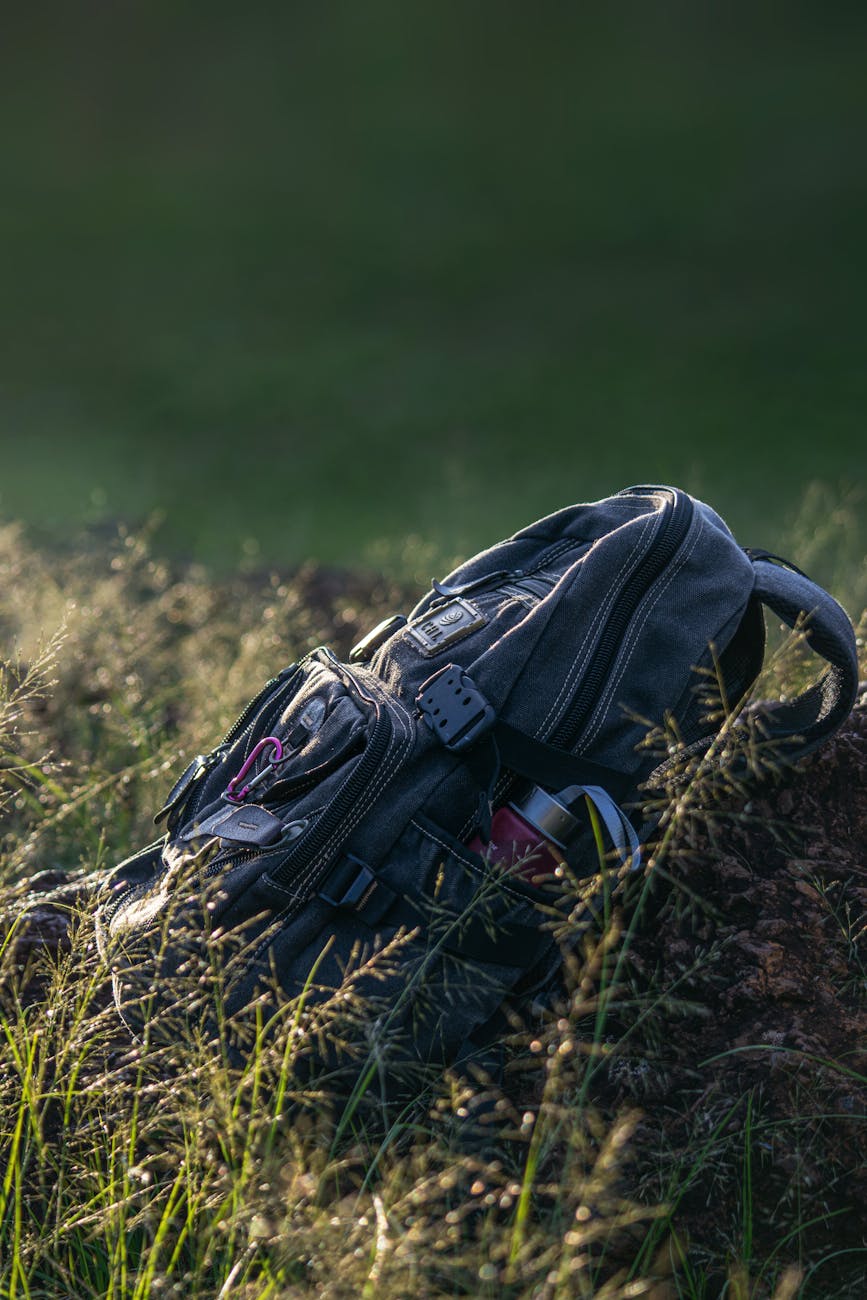
A comfortable hunting backpack is worth every penny. It doesn’t have to be giant, but it should carry water, layers, safety gear, snacks, and your kill kit comfortably.

Look for:

  • Quiet material
  • Lightweight design
  • Waist strap
  • Enough room for extra layers

You’ll appreciate a good pack after a few miles walking through palmettos, pines, swamps, or hardwoods.


Navigation Tools

Public land can get confusing fast, especially before daylight.

Bring:

  • Fully charged phone
  • Hunting app with downloaded offline maps
  • Portable battery pack
  • Compass as backup

Apps like onX or HuntStand make life easier, but electronics can fail. A simple compass still matters.


Water

This sounds obvious, but a surprising number of hunters underestimate hydration — especially in North Florida and South Georgia heat.

Bring more water than you think you need.

Early season public land hunts can feel more like hiking trips than hunting trips. Dehydration will ruin your hunt faster than almost anything else.


Lightweight Snacks

You don’t need a full camp kitchen in your backpack.

Good options:

  • Jerky
  • Trail mix
  • Protein bars
  • Peanut butter crackers
  • Electrolyte packets

Simple calories go a long way during all-day sits or long scouting missions.


Headlamp

A quality headlamp is mandatory.

Bring:

  • Extra batteries
  • Red or green light mode if possible

Most public land movement happens in the dark. Having both hands free while walking through thick woods or climbing a tree is a game changer.


Knife & Kill Kit

Keep it simple.

Your kill kit should include:

  • Sharp knife
  • Replaceable blades or sharpener
  • Gloves
  • Game bags if needed
  • Zip ties or tagging materials

You do not need an entire butcher shop in your backpack.


Rain Gear

Even if the forecast looks clear, lightweight rain gear is worth packing.

Florida weather changes fast, especially during early season thunderstorms.

A compact rain jacket can also double as a wind blocker on cold mornings.


Extra Layers

Cold fronts in the South can be unpredictable. Dress in layers instead of carrying bulky clothing.

The goal:

  • Stay dry
  • Stay mobile
  • Avoid sweating during long walks

A sweaty hunter gets cold quickly once temperatures drop.


Safety Harness

If you’re climbing a tree, wear one. Every single time.

No deer is worth risking your life.


First Aid Basics

You don’t need a giant medical bag, but you should carry:

  • Bandages
  • Athletic tape
  • Pain reliever
  • Tweezers
  • Blood clotting gauze
  • Bug bite relief

Public land often means long walks back to the truck. Small injuries become big problems fast.


Things You Think You Need (But Probably Don’t)

Every Deer Call Ever Made

A grunt tube and maybe a rattling setup are usually enough.

You probably don’t need:

  • Three grunt calls
  • Multiple bleat cans
  • Four rattling systems
  • A backpack full of gadgets

Most successful public land hunters focus more on woodsmanship than calling.


Giant Backpack

A huge pack encourages overpacking.

If your backpack feels like you’re heading on a three-day camping trip for a morning hunt, you’re carrying too much.

Public land hunting rewards mobility.


Too Many Clothes

A common mistake is dressing for the stand before the walk.

You’ll sweat during the hike in, then freeze once you stop moving.

Dress lighter for the walk and layer up when you get settled.


Scent Elimination Overload

Basic scent control matters. Wind direction matters more.

You probably do not need:

  • Six different sprays
  • Ozone generators
  • Entire bags dedicated to scent products

Playing the wind and accessing spots carefully is usually more important.


Excessive Camera Gear

Unless you’re specifically filming content, keep cameras minimal.

Public land already requires carrying enough gear. Extra tripods, lenses, batteries, and mounts add weight quickly.

Sometimes it’s better to simply enjoy the hunt.


Massive Tool Kits

You don’t need:

  • Five saws
  • Multiple hatchets
  • Full socket sets
  • Enough gear to build a treehouse

A small folding saw is usually more than enough.


Too Much Technology

Technology helps, but don’t become dependent on it.

Some hunters spend more time staring at maps and wind apps than actually learning the woods.

Boots on the ground still wins.


Final Thoughts

The best public land hunters are usually the most adaptable hunters. They move efficiently, scout hard, hunt smart, and avoid carrying unnecessary weight into the woods.

Experience eventually teaches you the same lesson most backpack hunters learn: every ounce matters.

Bring what helps you hunt better. Leave behind what only makes you feel prepared.

At the end of the day, public land success usually comes down to effort, patience, and understanding the land — not how much gear you can strap to your back.

And if you’ve hunted public land long enough, you’ve probably realized something funny:

Half the gear you thought you needed eventually ends up staying in the truck anyway.

How Weather Changes Deer Movement in Florida

If you’ve spent any time hunting whitetails in Florida, you already know one thing: deer here do not behave like Midwestern deer. Florida’s heat, humidity, flat terrain, and unpredictable weather patterns create a completely different style of hunting. Understanding how weather affects deer movement in the Sunshine State can be the difference between seeing a mature buck on his feet or staring at an empty food plot all afternoon.

From late summer thunderstorms to rare cold fronts, weather plays a major role in how and when Florida deer move. Hunters who learn to adapt to these conditions consistently put themselves in better positions throughout the season.

Late Summer Thunderstorms

Anyone who lives in North Florida knows the routine. Hot mornings turn into towering clouds by mid-afternoon, followed by heavy rain, lightning, and strong winds. These daily thunderstorms heavily influence deer movement during scouting season and early archery season.

Before the Storm

One of the best movement windows in late summer often happens just before a thunderstorm arrives. As barometric pressure begins to change and temperatures slightly cool ahead of rain, deer frequently get on their feet earlier than normal.

Bucks that normally stay buried in thick cover during the heat may briefly move into food plots, browse edges, or shaded oak hammocks before the storm hits. If you notice dark clouds building and winds beginning to shift, it can create a short but productive feeding window.

During Heavy Rain

Florida deer typically bed down during intense thunderstorms. Heavy rain limits visibility, reduces scent detection, and creates uncomfortable conditions for movement. Mature bucks especially tend to stay tucked into thick bedding cover during the worst weather.

However, light rain is a different story. A steady drizzle can actually improve hunting conditions because it softens sound and helps conceal hunter movement.

After the Storm

Immediately after a summer storm passes can be one of the most underrated times to hunt in Florida. Temperatures often drop several degrees, humidity briefly decreases, and deer begin feeding aggressively after sitting tight during the rain.

Fresh browse knocked down by wind and rain also attracts deer to edges and open areas. Evening hunts after a thunderstorm can be surprisingly productive during the early season.

Heat Waves and High Temperatures

Heat is the biggest challenge for Florida deer hunters. Early season temperatures regularly stay in the upper 80s and 90s, and deer movement slows dramatically during extreme heat.

How Deer React to Heat

During heat waves, deer conserve energy by minimizing daytime movement. They focus heavily on survival rather than unnecessary activity. Most movement happens:

  • Very early in the morning
  • During the final minutes of daylight
  • At night

Mature bucks especially become nocturnal during extended hot periods.

Florida deer seek out:

  • Thick shaded cover
  • Swamps and creek bottoms
  • Areas with steady wind
  • Water sources
  • Dense pine plantations
  • Hammocks with cooler ground temperatures

Hunting During Heat Waves

Many hunters give up when temperatures rise, but there are still ways to find success.

Focus on:

  • Water sources
  • Transition areas near bedding cover
  • Small shaded food plots
  • Travel corridors with consistent airflow

Even in extreme heat, deer still need to eat and drink. The key is understanding they simply move less and do it during shorter windows.

Trail cameras become extremely valuable during hot weather because they help identify exact movement times. Sometimes a mature buck may only appear during a 15-minute window right at dark.

Early Season Food Patterns

In hot weather, deer often prioritize high-moisture food sources. Soft mast, persimmons, muscadines, and green browse can sometimes outproduce traditional food plots during the early season.

Hunters who scout natural food sources during late summer often gain a major advantage.

Cold Fronts: Florida’s Best Deer Hunting Weather

Nothing changes deer movement in Florida more than a cold front.

Ask almost any experienced Florida hunter, and they’ll tell you the same thing: when the temperature drops, you need to be in the woods.

Why Cold Fronts Matter

Florida deer spend most of the year dealing with heat stress. Even a small temperature drop of 10 to 15 degrees can dramatically increase activity levels.

Cold fronts create:

  • Increased daytime feeding
  • Longer movement periods
  • More rut activity
  • Greater buck visibility
  • Increased travel between bedding and feeding areas

The first major cold fronts of fall are especially important. Deer that have been mostly nocturnal suddenly begin moving during daylight hours.

Timing the Front

The best hunting often occurs:

  • The evening before the front arrives
  • The first full day after the front
  • The second morning after temperatures drop

Rising movement is often tied to:

  • Falling temperatures
  • Higher barometric pressure
  • Lower humidity
  • Increased comfort for deer

In North Florida, some of the best hunts of the year happen after a hard rain followed by crisp, dry air and northwest winds.

Rut Activity During Cold Fronts

Florida rut timing varies dramatically by region, but cold fronts consistently increase rut movement wherever you hunt.

Bucks become more willing to:

  • Cruise during daylight
  • Check scrape lines
  • Push does
  • Cover larger distances

If a cold front lines up with peak rut activity, it can produce some of the best hunting conditions of the entire season.

Wind and Deer Movement

Wind is one of the most misunderstood factors in deer hunting. Many hunters focus only on scent control, but wind also changes how deer feed, travel, and bed.

Light to Moderate Wind

A steady wind is often beneficial for deer movement. Deer rely heavily on their noses, and consistent wind helps them monitor danger while moving through open areas.

Moderate wind can:

  • Encourage daytime movement
  • Help deer feel secure
  • Increase feeding activity
  • Improve hunter concealment

In Florida’s warm climate, breezy days can also reduce heat stress and insect pressure.

High Wind Conditions

Strong winds are a different story.

When wind becomes excessive, deer movement often slows. Swirling gusts make it difficult for deer to detect predators, and constant noise limits their ability to hear danger.

During high winds, deer typically:

  • Stay closer to bedding cover
  • Move in protected areas
  • Avoid open fields
  • Use creek bottoms and timber edges

If you hunt during windy conditions, focus on sheltered terrain where deer feel more comfortable.

Using Wind to Your Advantage

The best hunters don’t just “hunt the wind” for scent control — they use wind to predict where deer want to travel.

In Florida, deer often prefer:

  • Leeward ridges
  • Protected oak hammocks
  • Timber edges with airflow
  • Areas just inside thick cover

A smart stand setup uses both wind direction and deer comfort zones together.

Final Thoughts

Florida deer hunting is all about adapting. Unlike colder states where deer may move predictably every evening, Florida whitetails react heavily to weather changes.

Hunters who pay attention to:

  • Temperature swings
  • Incoming storms
  • Wind direction
  • Humidity changes
  • Cold fronts

will consistently see more deer throughout the season.

Sometimes the smallest weather shift can completely change deer behavior in North Florida. A ten-degree drop, a passing thunderstorm, or a steady north wind can suddenly turn a slow hunt into an unforgettable evening in the stand.

Learning how weather influences movement won’t guarantee success every trip, but it will absolutely help you spend more time hunting when conditions are in your favor.

And in Florida, timing matters more than almost anything.

Early Summer Deer Preparation

What North Florida Deer Hunters Should Be Doing in May and June

For many hunters, deer season feels a long way off in May and June. Turkey season is wrapping up, the weather is heating up, and fishing is calling your name. But if you want success in the fall, especially in North Florida, this is one of the most important windows of the entire year.

Early summer is when serious hunters separate themselves from everyone else. Bucks are recovering from the previous season, does are preparing for fawning, antlers are growing fast, and properties are changing daily with new vegetation and food sources. The work you put in now can pay off when opening morning finally arrives.

If you hunt private land, public land, or both, here’s what you should be doing in May and June to set yourself up for a successful deer season.


Start Scouting Before Everything Gets Overgrown

North Florida changes quickly once summer hits. By July and August, trails disappear into thick vegetation, briars take over, and the woods can become almost unrecognizable.

May and early June are ideal for scouting because you can still see sign before summer growth gets too thick.

Focus on:

  • Funnels and travel corridors
  • Creek crossings
  • Bedding cover
  • Oak flats
  • Pinch points
  • Transition edges between timber and thick cover

You’re not necessarily trying to hunt these places tomorrow. You’re building a map in your head of how deer use the property throughout the year.

On private land, mark:

  • Rub lines from last season
  • Old scrape areas
  • Trails entering food sources
  • Areas with heavy browse pressure

For public land hunters, use this time to find places most people avoid:

  • Walk farther than the average hunter
  • Find overlooked corners
  • Identify difficult access routes
  • Scout areas near water or thick cover

Remember: pressure changes deer behavior as much as habitat does.


Summer Scouting Looks Different

Many hunters make the mistake of trying to scout in summer exactly like they do in October.

The problem?

Deer patterns in May and June often look very different than fall movement.

Summer deer are focused on:

  • Food
  • Water
  • Shade
  • Security cover

They’re feeding heavily to recover body condition and support antler growth.

Instead of diving directly into bedding areas, focus on observation scouting.

Good methods include:

Glass from a Distance

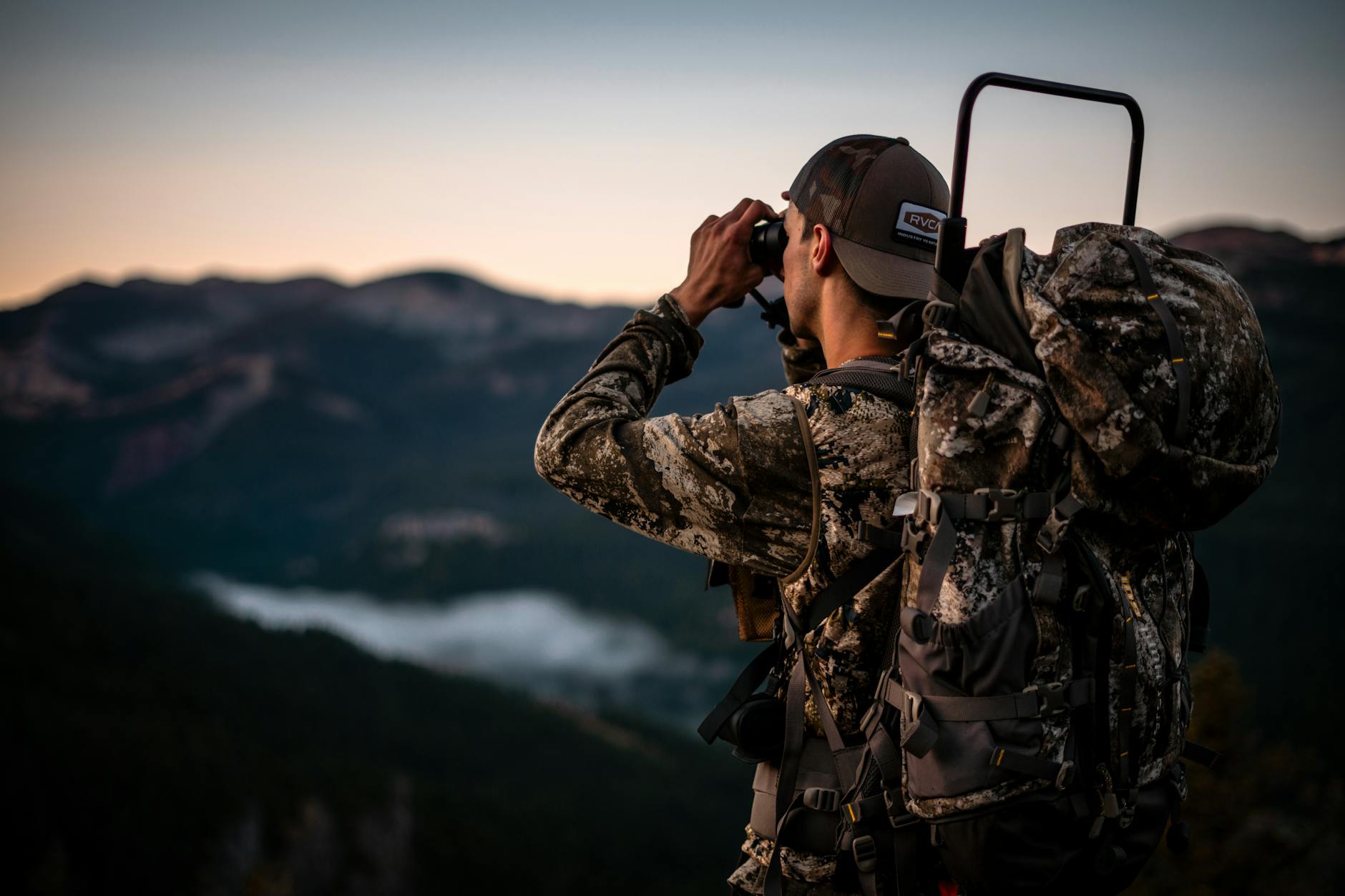
Use binoculars during:

  • Last hour of daylight
  • First hour after sunrise

Watch:

  • Agricultural fields
  • Power lines
  • Clear cuts
  • Peanut fields
  • Soybeans
  • Natural browse areas

You can learn a tremendous amount without putting scent all over the woods.


Use Trail Cameras Carefully

May and June are excellent times to inventory bucks.

Place cameras:

  • On field edges
  • Mineral sites where legal
  • Trails near summer food sources
  • Water sources

The goal isn’t just pictures.

Pay attention to:

  • Direction of travel
  • Time of movement
  • Buck groups
  • Growth progression

Inventory now helps create a game plan later.


Scout Midday

This sounds backward, but summer heat can actually help.

Scout between late morning and early afternoon when deer movement is lowest.

Advantages:

  • Less chance of bumping deer
  • Reduced impact on future hunting spots
  • Easier to investigate bedding cover

Bring:

  • Plenty of water
  • Lightweight clothing
  • Snake boots if needed
  • GPS or mapping app

North Florida heat and humidity are no joke.


What You Should Be Doing with Food Plots Right Now

May and June are prime planning months.

Many hunters wait until September and suddenly panic.

Don’t be that guy.

Early summer is when you should evaluate:

Existing Plot Areas

Check:

  • Soil condition
  • Weed pressure
  • Drainage issues
  • Areas needing lime

Take soil samples now.

Too many hunters spend money on seed while ignoring pH. Poor soil means disappointing plots no matter what you plant.


Plant Warm Season Plots

Depending on your goals and property size, warm-season options can provide nutrition throughout summer.

Popular North Florida options include:

  • Iron clay peas
  • Cowpeas
  • Alyce clover
  • Sunn hemp
  • Soybeans where acreage allows
  • Joint vetch

These help:

  • Build nutrition
  • Improve body condition
  • Support antler growth
  • Attract deer during summer patterns

Even small plots can become inventory tools for trail cameras.


Maintain Existing Areas

May and June are ideal for:

  • Mowing
  • Spraying weeds
  • Disking
  • Clearing shooting lanes
  • Repairing plot equipment

A little work now prevents chaos later.


Prepare Your Stands and Access Routes

Opening week is not the time to discover:

  • Broken ladder steps
  • Dead batteries
  • Overgrown trails
  • Missing straps

Now is the time to:

  • Trim shooting lanes
  • Hang stands
  • Check safety harnesses
  • Practice climbing systems
  • Clear quiet access paths

North Florida vegetation grows fast.

That perfect trail can disappear by August.


Start Preparing Your Body for Deer Season

This part gets overlooked.

Deer hunting can be physically demanding.

Dragging deer through palmettos, climbing stands, walking public land, carrying saddles, sitting long hours in heat—it adds up.

If you wait until opening day to get in shape, you’ll feel it.

Start simple:

Walk several times a week.

Add:

  • Light strength training
  • Mobility work
  • Core exercises
  • Hiking with a pack

If you bowhunt, begin shooting regularly.

Not marathon sessions.

Just build consistency.

Twenty arrows a few evenings a week beats cramming in August.


Prepare Mentally Too

Success in deer hunting often comes down to mindset.

Summer is a great time to evaluate:

What worked last year?

What failed?

Ask yourself:

  • Did I hunt too aggressively?
  • Did I burn out spots too quickly?
  • Did I play wind direction correctly?
  • Did I scout enough?
  • Did I spend enough time learning deer behavior?

Great hunters aren’t always the best shooters.

They’re often the best students.

Read. Watch maps. Study properties. Learn from mistakes.


Fall Success Starts in the Heat

Most hunters think deer season starts in the fall.

In reality, successful seasons often start in May.

The sweat, bug bites, trail camera checks, food plot work, and long scouting walks in the North Florida heat may not feel exciting right now.

But opening morning has a funny way of rewarding summer effort.

When that first cool front finally arrives and a mature buck steps into range, you’ll be glad you spent May and June preparing while everyone else was waiting.

The work starts now. Fall is just the payoff.

Quota Hunt Applications Are Open

Florida Quota Hunt Applications Are Open: Here’s What North Florida Hunters Need to Know

If you plan on hunting Florida public land this season, now is the time to pay attention.

Florida’s quota hunt application periods are opening for the 2026–2027 season, and if you hunt Wildlife Management Areas (WMAs), this process can make the difference between spending fall in a stand—or sitting at home wishing you had applied. Quota permits help manage hunting pressure and provide quality opportunities across public lands throughout the state.

For many North Florida hunters, quota hunts are the gateway to some of the best deer, turkey, hog, and specialty opportunities available on public land.

Whether you’re a seasoned WMA hunter or applying for your first permit, here’s a breakdown of what you need to know.

What Is a Florida Quota Hunt?

Florida uses a quota permit system to control hunter numbers on certain public lands and hunt periods. These permits are used on many WMAs to reduce overcrowding and help wildlife managers maintain healthy game populations.

Not every hunt requires a quota permit, and rules vary by WMA and season, which is why reading the individual area brochure is critical. Community hunters frequently point to brochures as one of the most important tools for understanding access and hunt rules.

For hunters across North Florida, this could include opportunities for:

  • Whitetail deer
  • Turkey
  • Hog hunts
  • Waterfowl
  • Special opportunity hunts
  • Limited-entry public land hunts

How To Apply for Florida Quota Permits

The application process is fairly straightforward once you know where to go.

Step 1: Create or Log Into Your Account

Go to the official Florida licensing portal:

Go Outdoors Florida

Log into your account or create one if you’re a first-time applicant.

Step 2: Select “Apply for Limited Entry / Quota Permits”

Inside your account dashboard, navigate to:

Apply for Limited Entry / Quota Permits

Florida’s limited-entry system handles quota hunts, special opportunity hunts, and other draw-based opportunities.

Step 3: Research Your WMA Before Applying

Before selecting a hunt:

  • Read WMA brochures
  • Study hunt dates
  • Review weapon restrictions
  • Check quota requirements
  • Understand access rules

This is especially important because some North Florida areas have different rules depending on archery, muzzleloader, and general gun periods.

Step 4: Submit Your Choices

Choose your hunt preferences and submit your application before deadlines close.

Application periods open at designated times and close at midnight on the final day of the application period.

A Few Tips From Florida Public Land Hunters

Over time, experienced hunters around the state have learned a few things:

  • Build preference points over time
  • Apply consistently every year
  • Consider less popular dates or hunt periods
  • Read brochures carefully
  • Have backup plans

Many Florida hunters note that some highly sought-after quota hunts can take years of preference points to consistently draw.

North Florida Areas Worth Researching

Depending on where you live, many hunters begin looking at areas around:

  • Suwannee County
  • Big Bend region
  • Osceola area properties
  • North Central Florida WMAs
  • Public lands surrounding Madison and Lake City

The best approach is identifying land within driving distance and learning those properties year after year.

Final Thoughts

Florida’s public land system can feel confusing when you’re first getting started. Between brochures, preference points, quota applications, and different regulations, there’s definitely a learning curve.

But once you understand it, some incredible opportunities open up.

At Timber & Marsh, we’ll continue sharing North Florida hunting updates, public land information, and community discussions to help hunters stay informed.

If you’re applying this year, let us know what areas you’re putting in for and where you’re hoping to spend your fall.

Good luck, and we’ll see you in the woods.

— Timber & Marsh