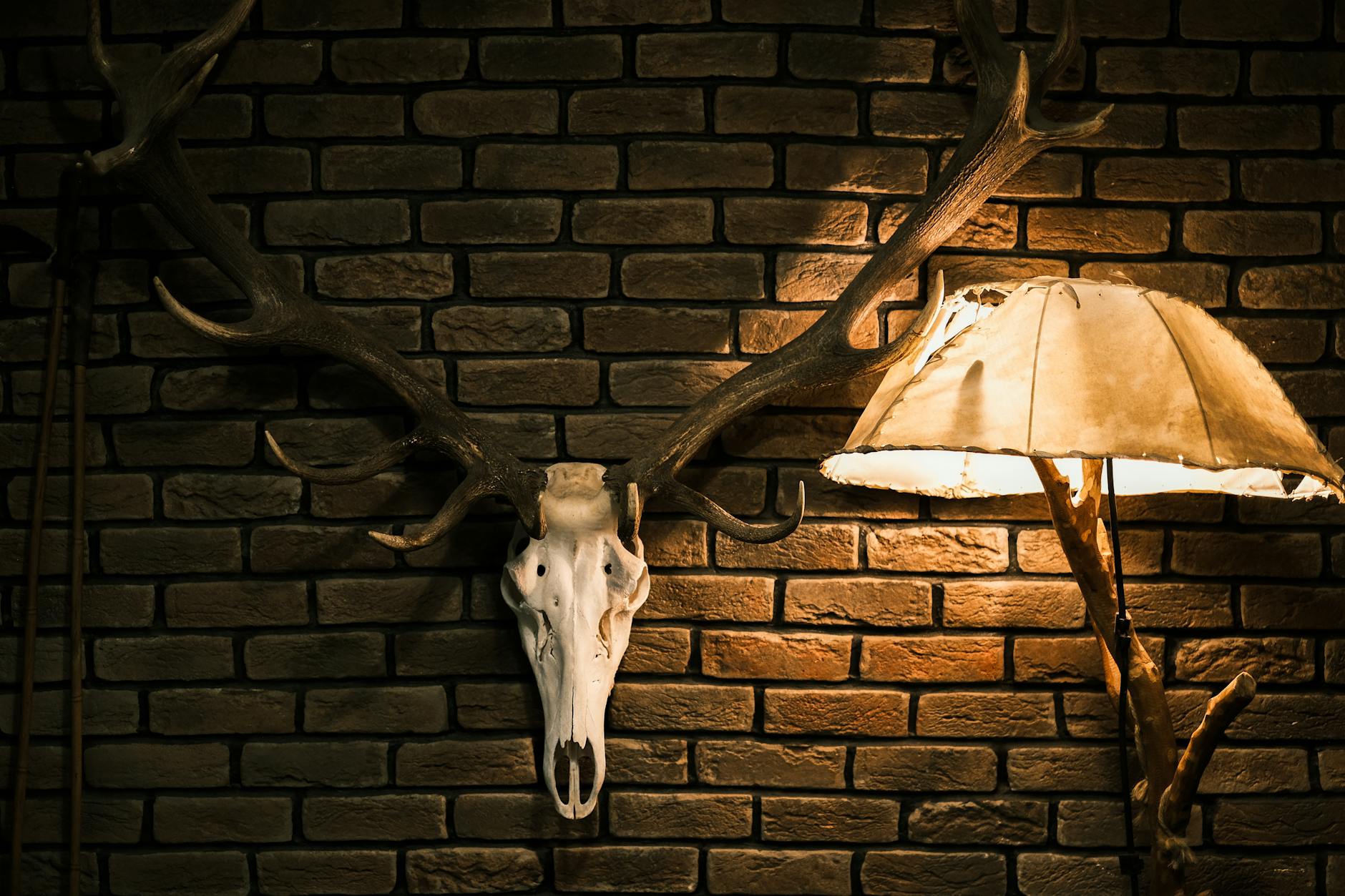
For hunters in North Florida, especially around Suwannee County and the surrounding region, there are more opportunities than ever to experience professionally managed private land hunting. While public land hunting is deeply rooted in Florida tradition, private ranches and outfitted preserves offer something different — carefully managed habitat, limited hunting pressure, higher age-class deer, comfortable lodging, and in some cases, the opportunity to pursue exotic species that you simply will not find on public ground.
From the pine flats of Suwannee County to massive high-fence ranches stretching across North Florida, hunters can find everything from classic whitetail hunts to fully guided exotic game experiences. Whether you are looking for a trophy buck, a corporate hunting retreat, or a once-in-a-lifetime axis deer or blackbuck hunt, North Florida has quietly become a destination for private ranch hunting.
The Rise of Private Ranch Hunting in North Florida
Over the last decade, many private landowners in North Florida have shifted toward intensive wildlife management. Large tracts of timberland, cattle ranches, and agricultural properties are now being managed specifically for hunting opportunities.
These operations typically focus on:
- Supplemental feeding programs
- Habitat management
- Controlled harvest strategies
- Limited hunter numbers
- Mature age-class deer
- Guided experiences and lodging
Some ranches operate as traditional low-fence hunting properties, while others use high fencing to intensively manage deer genetics and exotic game species. These ranches often provide opportunities that are difficult to find elsewhere in Florida, including hunts for axis deer, blackbuck antelope, oryx, red stag, sika deer, fallow deer, elk, and other non-native species.
Notable Private Hunting Opportunities in North Florida
IronWood Preserve
Located in Suwannee County, IronWood Preserve has become one of the better-known private hunting destinations in the region. The preserve focuses heavily on upland bird hunting and whitetail opportunities while offering a true North Florida experience with pine woods, managed habitat, and private-group hunts. Their property spans thousands of acres and caters to hunters looking for a quieter, more personalized atmosphere rather than crowded hunting clubs.
What makes places like IronWood attractive is the overall experience — quality lodging, guided hunts, bird dogs, and a traditional Southern hunting camp feel that is becoming harder to find.
Legacy Ranch
Just north of Suwannee County near Jennings, Legacy Ranch markets itself as a premier North Florida whitetail destination. The ranch sits in Florida’s famed “Blackbelt” region, known for fertile soils and quality deer habitat. Hunters can expect rolling hills, oak hammocks, pine plantations, and managed deer populations.
Legacy Ranch appeals to hunters who want a more refined private-land experience while still feeling like they are hunting natural Florida terrain.
Roberts Ranch
Roberts Ranch is one of the most recognized high-fence hunting operations in Florida. Located in Putnam County, the ranch encompasses roughly 11,000 acres, with thousands of acres enclosed by high fencing and intensively managed for trophy whitetails and exotic game.
Hunters here can pursue:
- Trophy whitetail deer
- Axis deer
- Blackbuck antelope
- Oryx
- Pheasant
- Alligator
Roberts Ranch has built a reputation for producing exceptionally large Florida whitetails through long-term genetic management and controlled harvest programs. For hunters wanting a true trophy-focused experience, this is one of the highest-profile destinations in the state.
Exotic Hunting Opportunities in Florida
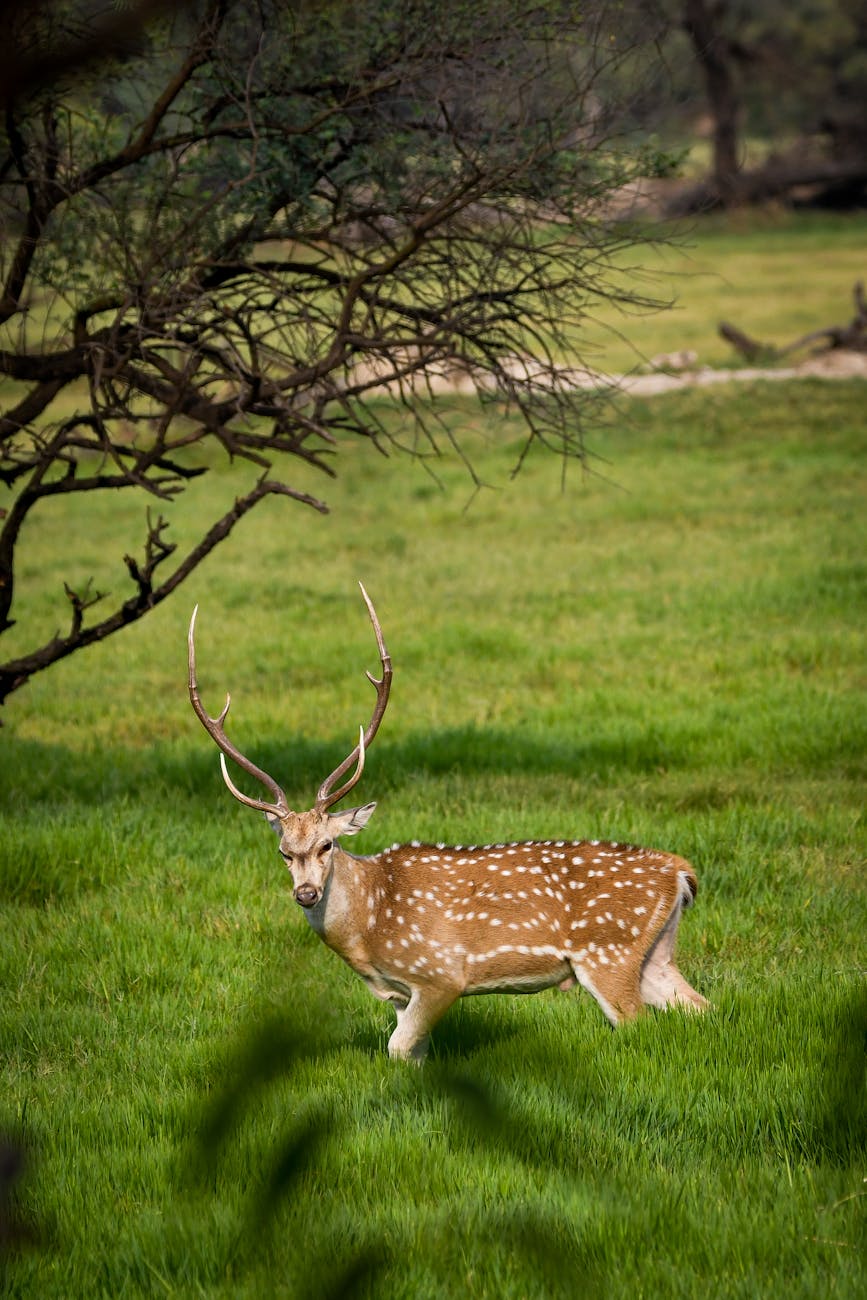
Many hunters are surprised to learn that Florida has become a legitimate destination for exotic game hunting. Thanks to the climate and large private ranches, numerous non-native species thrive here.
6M Ranch
Located near Chiefland, 6M Ranch combines a luxury lodge atmosphere with large-scale hunting opportunities on working cattle ranch land. The property offers hunts for whitetails, Osceola turkey, and a variety of exotic species.
This style of ranch is becoming increasingly popular for:
- Corporate retreats
- Family hunting trips
- Guided exotic hunts
- Multi-species hunting packages
Many of these ranches now rival the experience traditionally associated with Texas exotic hunting operations.
Ross Hammock Ranch
Ross Hammock Ranch is another well-known Florida hunting preserve offering both native and exotic species. Hunters can pursue whitetails, hogs, Osceola turkey, and an extensive lineup of exotic animals including:
- Axis deer
- Sika deer
- Fallow deer
- Red deer
- Elk
- Water buffalo
- Bison
- Exotic sheep and goats
Operations like Ross Hammock Ranch showcase how diverse Florida hunting opportunities have become beyond traditional deer camps.
The Debate Around High-Fence Hunting
High-fence hunting remains one of the most debated topics in the hunting community. Some hunters view it as highly managed conservation and livestock-style wildlife production, while others believe it conflicts with traditional fair chase ethics.
Online hunting communities often show mixed opinions. Some hunters argue that large high-fence ranches can still provide challenging hunts and extensive habitat, while others feel the fences fundamentally change the experience.
At the same time, supporters point out that many private ranches:
- Invest heavily in habitat conservation
- Maintain healthy wildlife populations
- Protect large tracts of undeveloped land
- Generate funding for wildlife management
- Offer access to hunters who may not otherwise have private land opportunities
Ultimately, whether someone prefers public land, low-fence private land, or high-fence trophy ranches comes down to personal preference and hunting philosophy.
Beyond Trophy Hunting
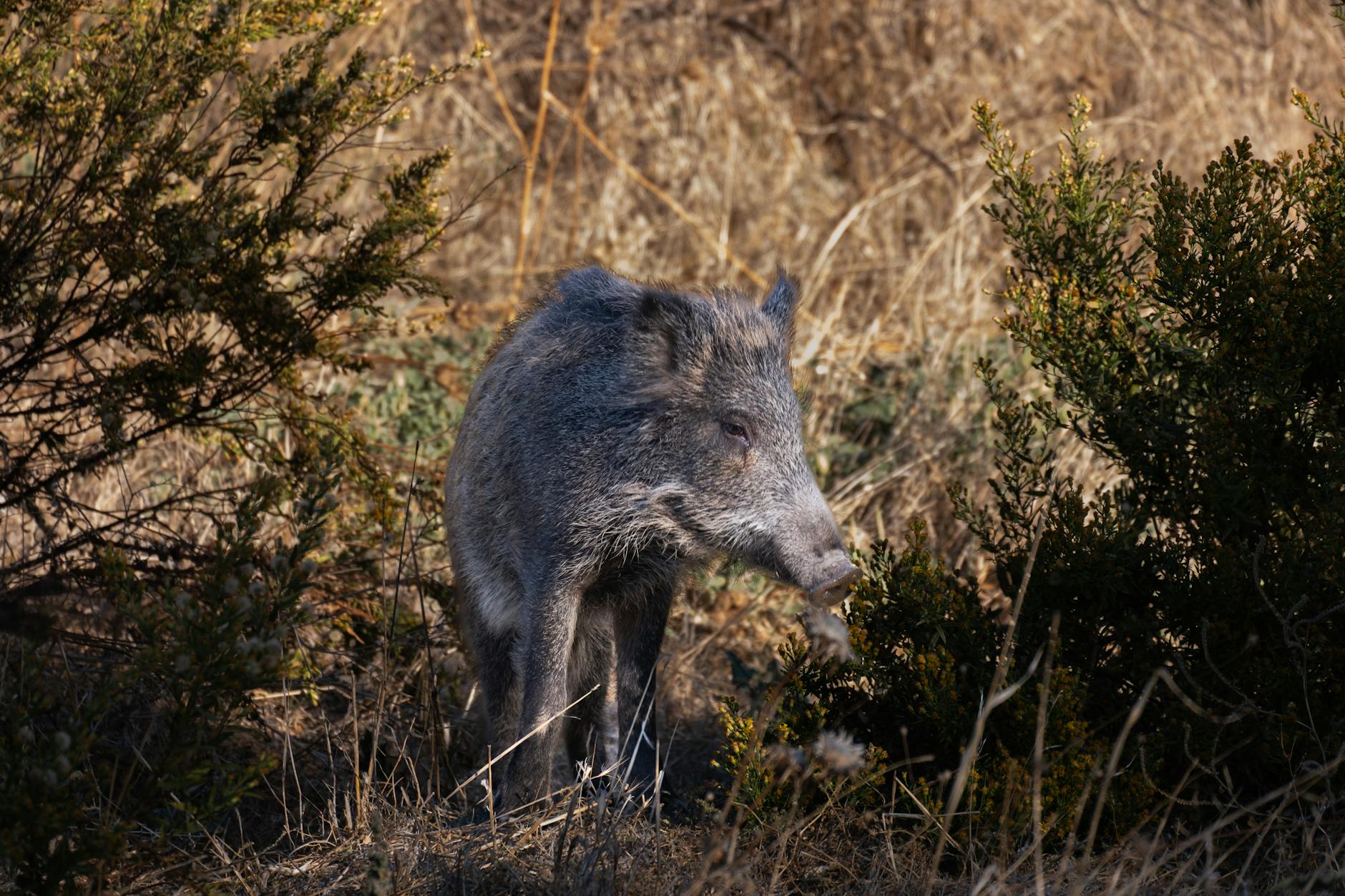
One of the biggest misconceptions about private ranch hunting is that it is only for wealthy trophy hunters. While some elite ranches certainly cater to that market, many North Florida properties also offer:
- Meat hunts
- Hog hunts
- Youth hunts
- Corporate events
- Turkey hunts
- Bird hunting packages
- Seasonal hunting leases
There are also increasing opportunities for hunters to secure smaller private leases across Suwannee and surrounding counties through timber companies, agricultural landowners, and local connections. Properties like Valley View Outfitters and regional timber operations continue to provide alternative hunting access for sportsmen looking to get off crowded public land.
Final Thoughts
North Florida’s hunting culture has always been rooted in tradition — pine plantations, oak hammocks, swamp edges, dog drives, and generations of deer camps. But today, a new side of the region’s hunting industry is emerging through professionally managed private ranches and exotic hunting operations.
Whether your dream hunt is a mature North Florida whitetail, an axis buck on a sprawling cattle ranch, or simply a quiet weekend hunting private land with friends and family, the Suwannee Valley and surrounding counties offer more opportunities than many hunters realize.
And as access to quality hunting land becomes increasingly difficult nationwide, private ranches will likely continue playing a growing role in the future of hunting across North Florida.
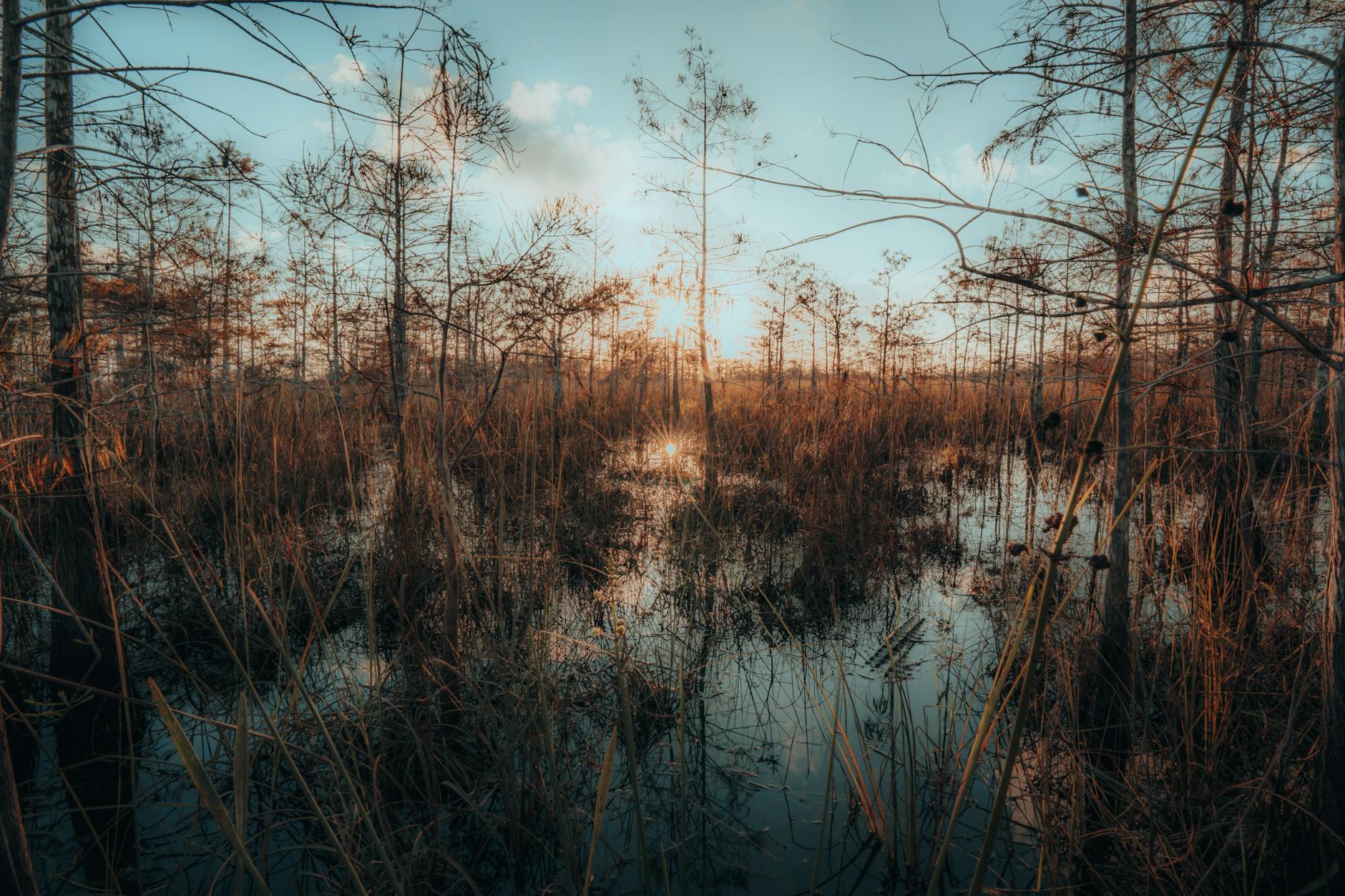
 Timber and Marsh