Top 5 Big Bend Fishing Towns Every Angler Should Visit

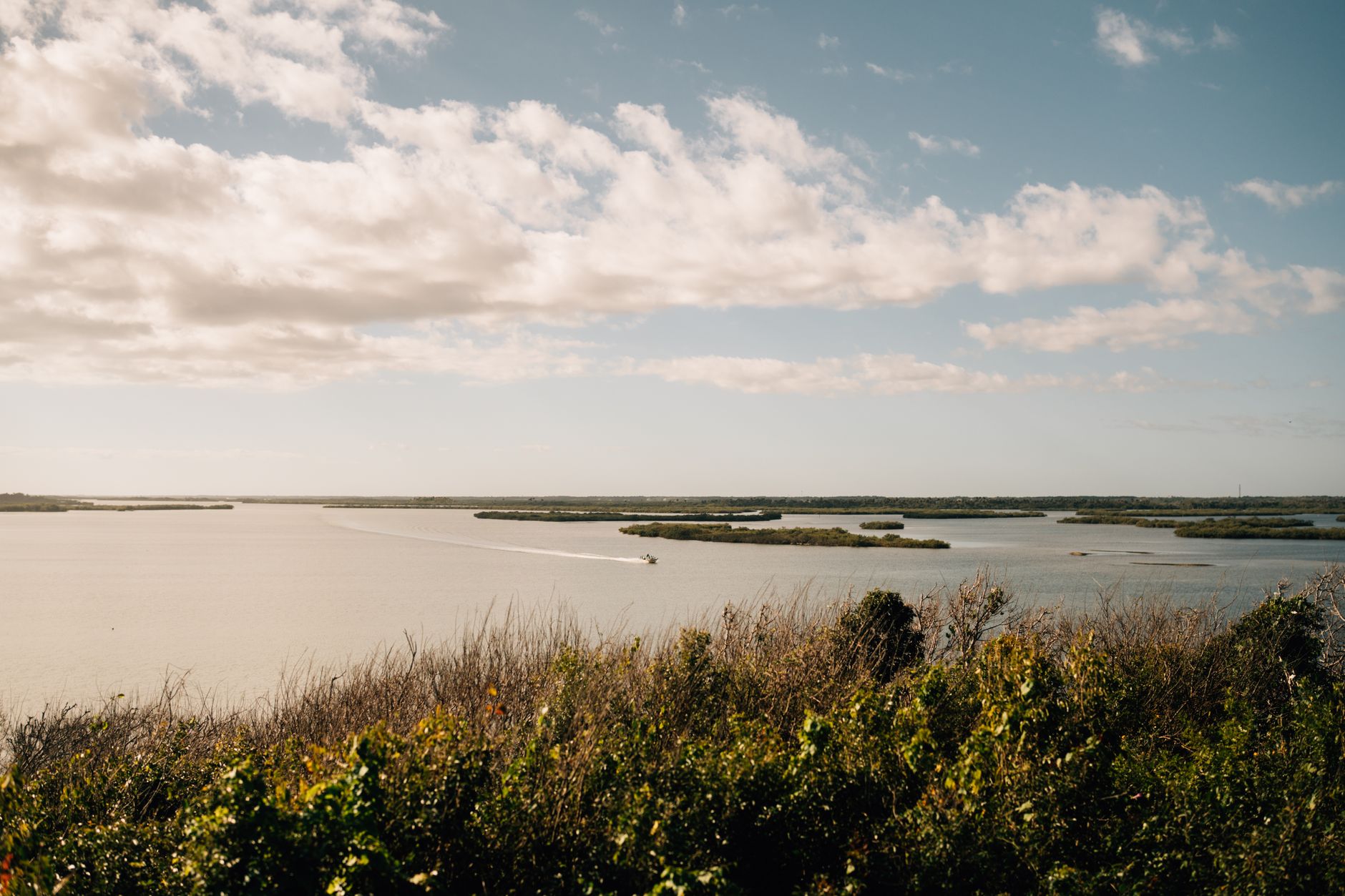
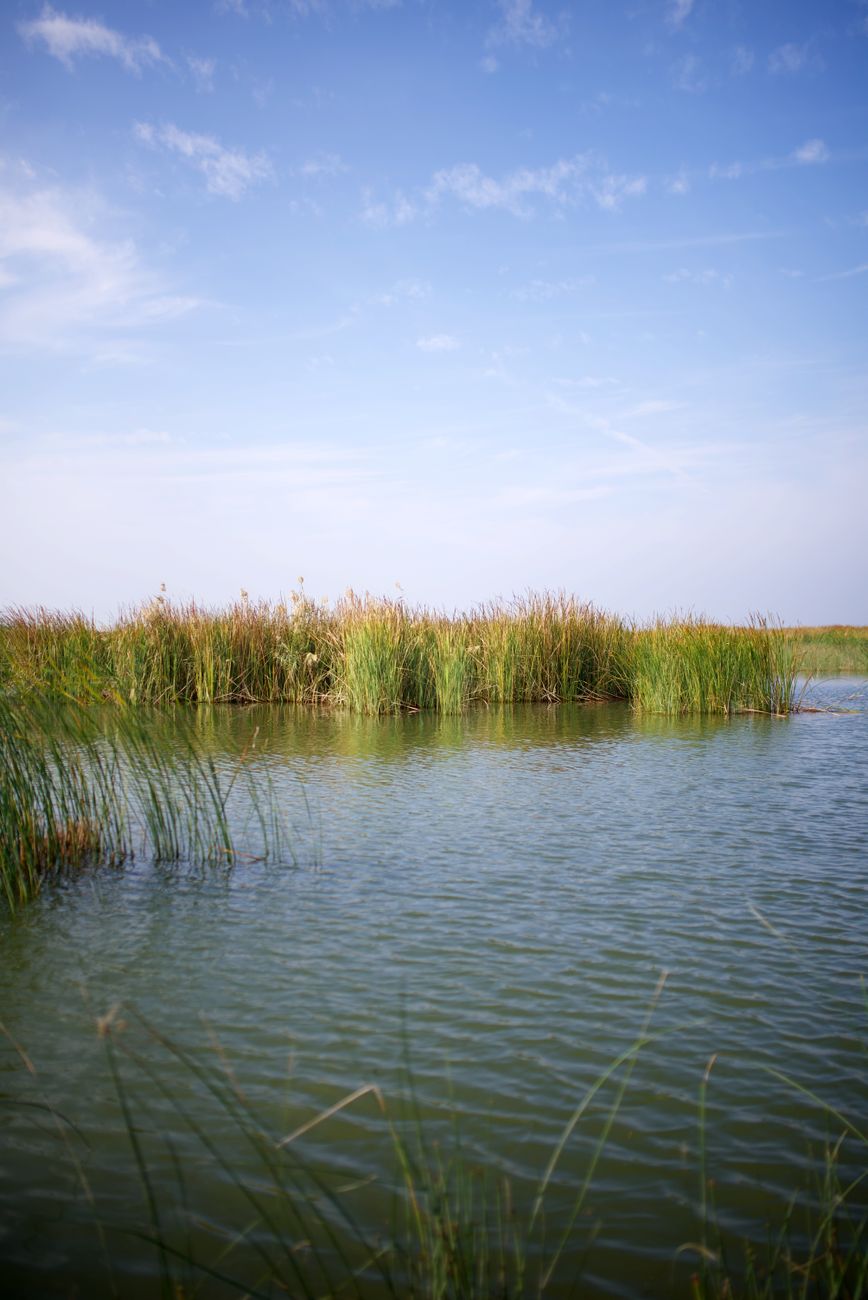
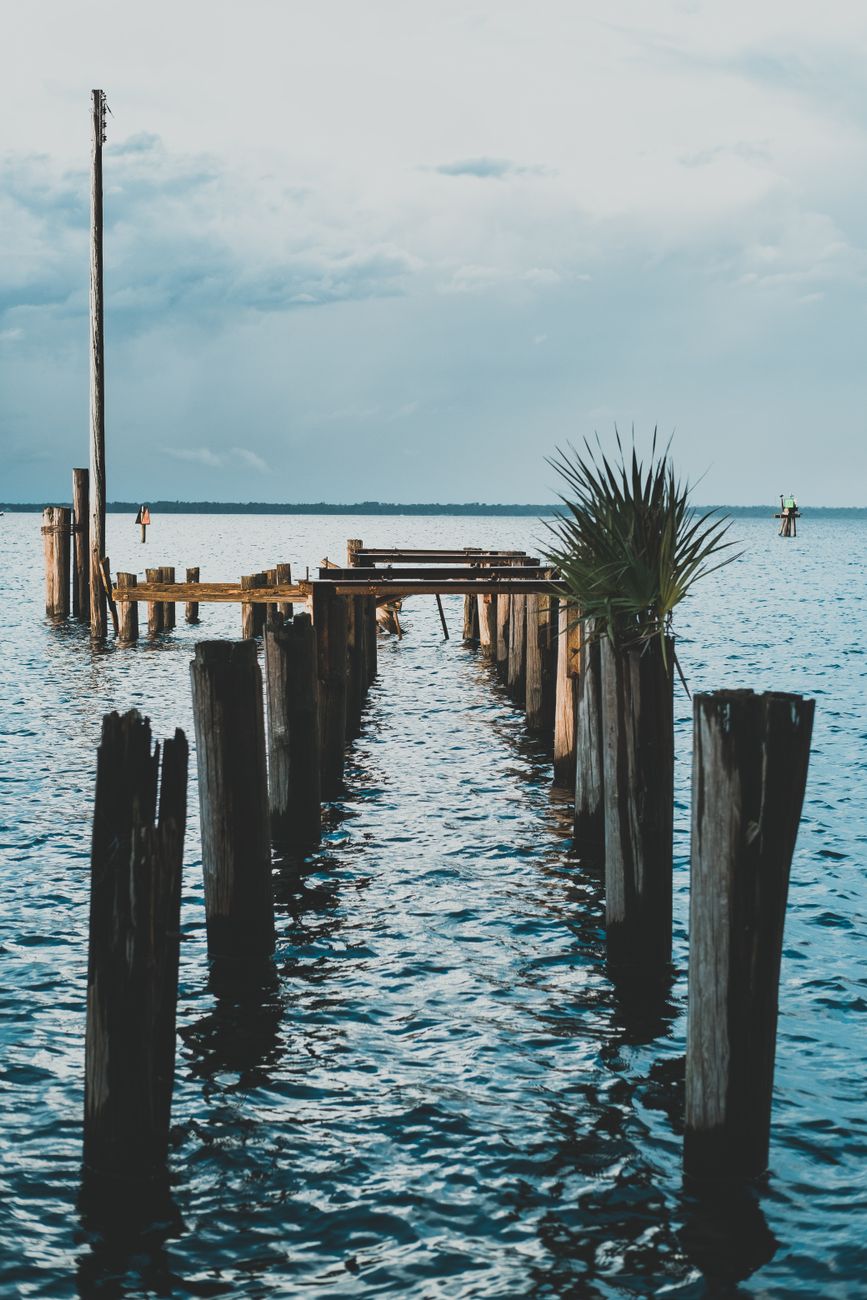
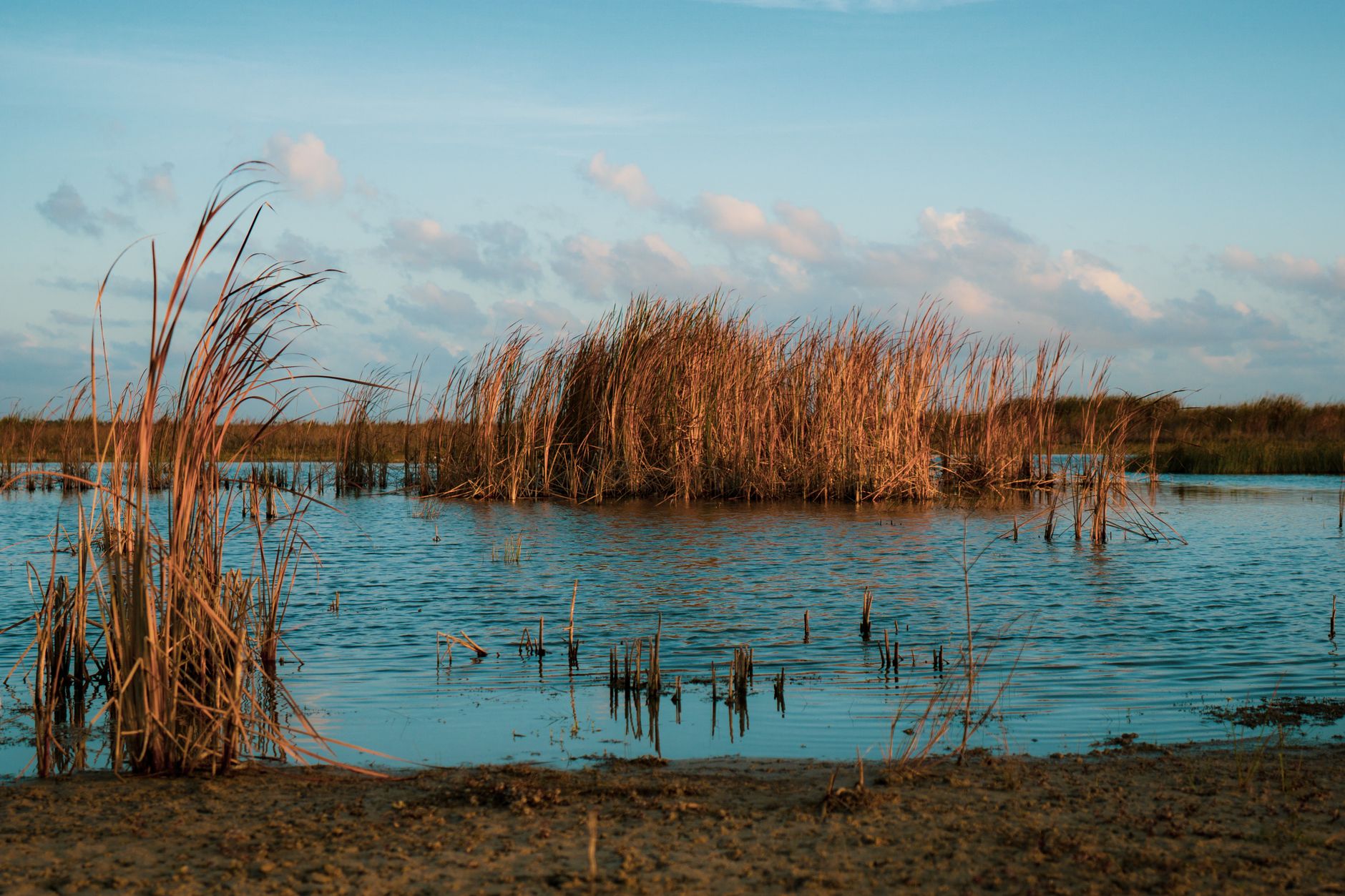
Florida’s Big Bend is one of the last places where “Old Florida” still exists. Stretching from Cedar Key to Apalachicola, this rugged coastline is defined by vast seagrass flats, winding tidal creeks, hidden oyster bars, and small fishing villages that still make their living from the water.

Whether you’re chasing trophy redfish, filling a cooler with speckled trout, or planning a family scalloping trip, these five towns should be on every angler’s bucket list.
1. Steinhatchee

Steinhatchee may be the most famous fishing town in the Big Bend. Originally built around commercial fishing and sponge harvesting, the town remains one of Florida’s premier destinations for inshore anglers and scallopers. The community sits along the Steinhatchee River and provides direct access to miles of productive grass flats and nearshore structure. Recent tourism and wildlife resources continue to highlight Steinhatchee’s roots as a historic fishing village and one of Florida’s premier angling destinations.

What to Catch

  • Speckled trout
  • Redfish
  • Flounder
  • Cobia
  • Grouper
  • Snapper
  • Tarpon (seasonal)
  • Bay scallops (summer)

Successful Tactics

The shallow grass flats are legendary for trout and redfish. Drift fishing with popping corks and live shrimp works year-round. During summer, anglers target trout early before moving offshore for grouper and snapper. Winter often concentrates fish in creeks and rivers during cold fronts.

Local Attractions

  • Steinhatchee Falls
  • Steinhatchee River Paddling Trail
  • Fiddler Crab Festival
  • Scalloping season

Restaurants

  • Roy’s Restaurant
  • Kathi’s Krab Shack
  • Fiddler’s Restaurant
  • McDavid’s Cafe

Places to Stay

  • Steinhatchee Landing Resort
  • Steinhatchee River Inn & Marina

Charter Captains

  • Good Time Charters
  • Chase-N-Fish Charters
  • Crystal Sea Charters

Boat Ramps

  • Sea Hag Marina Ramp
  • Jena Boat Ramp
  • Steinhatchee Public Boat Ramp

2. Cedar Key

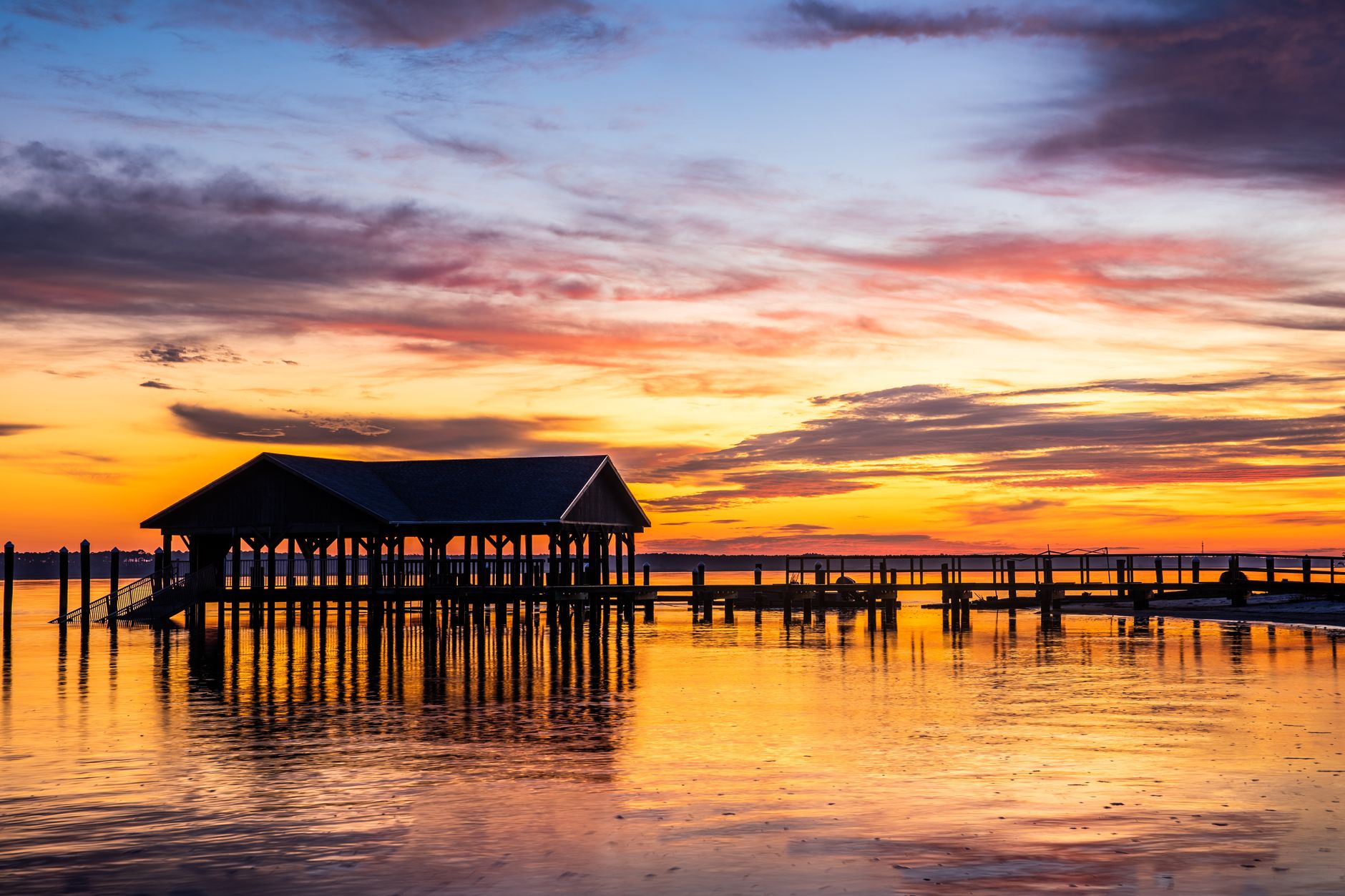
Cedar Key is one of the most unique towns on Florida’s Gulf Coast. Once an important shipping port, it evolved into a commercial fishing and clam-farming community after net fishing regulations changed in the 1990s. Today it remains known for fresh seafood, spectacular sunsets, and world-class shallow-water fishing.

What to Catch

  • Redfish
  • Speckled trout
  • Flounder
  • Sheepshead
  • Black drum
  • Spanish mackerel

Successful Tactics

Kayak anglers thrive around the islands and oyster bars. Low-tide redfish fishing around creek mouths and oyster points is particularly productive. Live shrimp and paddle-tail plastics are local favorites.

Local Attractions

  • Cedar Key Historical Museum
  • Atsena Otie Key
  • Cedar Key National Wildlife Refuge
  • Sunset viewing on Dock Street

Restaurants

  • Steamers
  • Tony’s Seafood Restaurant
  • 83 West
  • Island Hotel Restaurant

Places to Stay

  • Island Hotel
  • Cedar Key Harbour Master Suites
  • Numerous waterfront cottages

Charter Captains

  • In The Slot Fishing Charters Cedar Key
  • Captain Travis Blucher Fishing Charters
  • Southern Salt Charters

Boat Ramps

  • Cedar Key Public Boat Ramp
  • Shell Mound Boat Ramp
  • Yankeetown Public Ramp

3. Keaton Beach

If your goal is catching giant Big Bend trout and redfish, Keaton Beach deserves serious consideration. This tiny coastal community sits directly in the heart of some of the most productive grass flats on the Gulf Coast.

What to Catch

  • Gator trout
  • Redfish
  • Flounder
  • Spanish mackerel
  • Cobia

Successful Tactics

Many anglers focus on drifting expansive grass flats with soft plastics and topwater plugs. Spring and fall often produce trophy-sized trout, while summer brings excellent scalloping opportunities.

Local Attractions

  • Scalloping
  • Gulf sunsets
  • Nature photography
  • Bird watching

Restaurants

  • Walter B’s Convenience and Grill
  • Nearby dining options in Perry

Places to Stay

  • Keaton Beach rental homes
  • Gulf-front vacation rentals

Charter Captains

  • Salty Tails Charters by Cajun and Cracker Outdoors
  • Reel Epic Charters

Boat Ramps

  • Keaton Beach Public Boat Ramp
  • Dark Island Ramp

4. Carrabelle

Located on Florida’s Forgotten Coast, Carrabelle combines excellent inshore and offshore fishing with deep maritime history. For more than a century, commercial fishing, shrimping, and oystering have shaped the town’s identity.

What to Catch

  • Redfish
  • Trout
  • Grouper
  • Snapper
  • Cobia
  • Tripletail

Successful Tactics

Fish oyster bars and grass edges inside the bay systems for redfish and trout. Offshore anglers can quickly reach productive reefs and wrecks.

Local Attractions

  • Crooked River Lighthouse
  • Camp Gordon Johnston Museum
  • Carrabelle Beach
  • Dog Island

Restaurants

  • The Fisherman’s Wife
  • Harry’s Bar
  • Carrabelle Junction

Places to Stay

  • The Old Carrabelle Hotel
  • St. James Bay Resort
  • Waterfront vacation rentals

Charter Captains

  • Anchors Aweigh Fishing Charters & More

Boat Ramps

  • Carrabelle River Boat Ramp
  • Marine Street Ramp

5. Apalachicola

Few fishing towns in Florida have as much history and character as Apalachicola. Once one of the Gulf Coast’s busiest ports, the town became famous for oysters and commercial fishing. Today, it remains one of the crown jewels of Florida’s Forgotten Coast.

What to Catch

  • Redfish
  • Speckled trout
  • Flounder
  • Tripletail
  • Tarpon
  • Offshore snapper and grouper

Successful Tactics

Target oyster bars, creek mouths, and grass shorelines for inshore species. The nearby passes and offshore structure provide excellent opportunities for larger gamefish.

Local Attractions

  • Historic Downtown Apalachicola
  • Apalachicola Maritime Museum
  • St. George Island
  • Cape St. George Lighthouse

Restaurants

  • Owl Cafe
  • Up The Creek Raw Bar
  • Hole in the Wall Seafood
  • The Station Raw Bar

Places to Stay

  • Gibson Inn
  • Water Street Hotel
  • Downtown bed and breakfasts

Charter Captains

  • Captain JB Charters Inc.

Boat Ramps

  • Battery Park Boat Ramp
  • Scipio Creek Marina

Final Thoughts

The beauty of the Big Bend isn’t just the fishing—it’s the people, the history, and the feeling that you’ve stepped back into a version of Florida that largely disappeared decades ago. Whether you’re launching a kayak in Cedar Key, chasing trout on the flats of Keaton Beach, scalloping in Steinhatchee, exploring the Forgotten Coast around Carrabelle, or enjoying fresh oysters in Apalachicola, each town offers its own unique experience.

For anglers looking to experience authentic North Florida, these five towns represent the very best of what the Big Bend has to offer.

Beginner’s Guide to Big Bend Redfish

From Cedar Key to Panacea: Chasing Bronze Along Florida’s Forgotten Coast

Florida’s Big Bend is one of the last truly wild stretches of coastline left in the state. Unlike South Florida or the Gulf beaches farther west, the coast from Cedar Key through Suwannee, Horseshoe Beach, Steinhatchee, Keaton Beach, St. Marks and up toward Panacea is defined by miles of grass flats, tidal creeks, oyster bars, marshes, and shallow water. It’s skinny-water country—and that makes it redfish country. The region is known for expansive shallow flats, marsh systems, oyster bars, and year-round redfish habitat.  

If you’re new to chasing redfish in the Big Bend, the amount of water can feel overwhelming. The good news? Redfish are creatures of habit. Learn a few basics about tides, bait, and where fish move, and you’ll dramatically shorten the learning curve.


Understanding Big Bend Redfish

Redfish in the Big Bend live shallow. They spend their days hunting shrimp, mullet, crabs, and baitfish around grass flats, oyster bars, potholes, creek mouths and marsh edges. They commonly move with the tide—pushing shallow on incoming water and dropping into deeper cuts or potholes when water falls.  

One thing that surprises many newcomers: this coastline is extremely shallow. In some areas you can run a mile offshore and still only be in a few feet of water. Cedar Key especially is famous for its sprawling grass flats and skinny-water fishing opportunities.  

That means two things:

  1. Redfish have incredible habitat
  2. You can get stuck quickly if you ignore tides

Tides Matter More Than Almost Anything

Many new anglers focus on moon phases or weather. In the Big Bend, focus on tides first.

Redfish use moving water like a dinner bell.

Incoming Tide

As water rises, fish push onto flooded grass, oyster edges and marsh banks looking for shrimp and crabs.

This is often the best time for:

  • Sight-fishing tailing reds
  • Working shallow flats
  • Fishing grass points
  • Kayak fishing marshes

Redfish in Cedar Key commonly move shallow during the last part of the incoming tide and early outgoing periods.  

Outgoing Tide

Falling water funnels bait out of creeks and marsh drains.

Look for:

  • Small creek mouths
  • Tidal cuts
  • Oyster points
  • Potholes

Fish often stack up in these “choke points.”

Dead Low Tide

Don’t panic if you arrive at low water.

Many anglers struggle because they continue fishing shallow areas that are now dry. Instead, fish nearby potholes, channels, and deeper troughs where reds retreat until water rises again. Cedar Key anglers often target potholes and deeper channels during low water periods.  


Best Baits for Beginner Big Bend Redfish

You do not need twenty rods and a tackle store in your boat.

Start simple.

Live Bait

For beginners, these consistently produce:

  • Live shrimp
  • Finger mullet
  • Mud minnows
  • Cut mullet
  • Blue crab chunks

Local anglers regularly rely on shrimp, mullet and crab around Cedar Key and Big Bend waters.  

Rig them:

  • Under a popping cork
  • On a jig head
  • Knocker rig near oysters
  • Free-lined in shallow water

Artificial Lures

Keep a small tackle box with:

Gold spoon
A Big Bend classic. Covers water and rarely snags grass.

Paddle tails
3–4 inch soft plastics on 1/8 oz jig heads.

Gulp shrimp
A favorite among Big Bend anglers, especially under popping corks.  

Topwater plugs
Early mornings can be explosive.

Big Bend anglers frequently report strong topwater and spoon bites during redfish seasons.  


Beginner Gear Setup

No need for heavy saltwater gear.

A simple setup:

Rod:
7’ medium or medium-heavy spinning rod

Reel:
2500–3000 size spinning reel

Line:
10–15 lb braid

Leader:
20–25 lb fluorocarbon

This setup handles slot reds while still being light enough for trout and flounder.

Bring extra leader.

Big Bend oysters destroy fishing line.


Fishing From a Boat

The Big Bend is made for shallow boats.

Flats skiffs, jon boats, bay boats, and small skiffs excel here.

When fishing from a boat:

  • Drift grass flats
  • Use trolling motors in shallow water
  • Watch for oyster bars
  • Follow channels carefully
  • Study maps before running

The coastline is beautiful—but unforgiving.

A common beginner mistake is blasting across unknown flats at low tide.

Spend more time exploring than running.


Fishing From a Kayak

Kayaks may actually be the best way for beginners to learn Big Bend redfish.

Why?

You naturally slow down.

And slowing down catches fish.

Areas around Shell Mound, Steinhatchee, creek systems, and shallow marshes are popular among kayak anglers. Community anglers repeatedly mention creeks and shallow marsh access as ideal kayak water.  

Kayak advantages:

  • Access water boats can’t reach
  • Quiet approach
  • Easy sight fishing
  • Less fuel cost

Bring:

  • Stakeout pole
  • Good GPS or phone maps
  • Plenty of water
  • Tide chart

And remember:

You paddle in with the tide…

You paddle out against it.


Fishing From Shore

Most people assume Big Bend redfish require a boat.

Not true.

Shore anglers can still find success around:

  • Fishing piers
  • Bridge approaches
  • Creek mouths
  • Public access points
  • Marsh edges

Target moving water around structure.

Fish:

  • Live shrimp under corks
  • Gold spoons
  • Paddle tails

Focus less on casting far and more on finding current and bait.


Areas Worth Exploring

Without giving away anyone’s honey holes, beginners should explore:

Cedar Key: islands, oyster bars, grass flats and tidal creeks. The area is known for shallow keys and extensive grass systems.  

Suwannee: creek mouths and marshes

Horseshoe Beach: scattered oyster structure and grass

Steinhatchee: potholes, flats and creek systems

Keaton Beach: endless grass and redfish schools

St. Marks/Panacea: marsh shorelines and oyster edges


Final Thoughts

The Big Bend rewards anglers who slow down and learn water movement.

You do not need a $70,000 flats boat or a tackle room full of gear.

You need:

  • Moving water
  • Bait presence
  • Quiet approaches
  • Time on the water

Spend enough mornings watching mullet flip along a grass edge, and eventually you’ll see it:

A copper back pushing water through the marsh.

And once you catch your first Big Bend redfish, you’ll understand why so many anglers become obsessed with this stretch of Florida coast.

Tight lines from Cedar Key to Panacea.