The Easton Newberry Bow Hunter’s Challenge: Florida’s Premier Preseason Archery Event

There’s something about late summer in Florida that gets bowhunters excited. Trail cameras start lighting up, food plots are growing, and broadheads start replacing field points. For many hunters across Florida and South Georgia, that excitement begins with one event every year — the Bow Hunter’s Challenge at the Easton Newberry Archery Center.

Held annually at the world-class Easton Newberry Archery Center in Newberry, Florida, this event has become one of the Southeast’s premier 3D archery competitions specifically designed with hunters in mind. It’s not just a tournament. It’s a chance to test your hunting setup, shoot under pressure, and prepare for the upcoming season in a realistic environment.

What Is the Bow Hunter’s Challenge?

The Bow Hunter’s Challenge is a large-scale 3D archery competition hosted by the Easton Newberry Archery Center every year in late summer before hunting season kicks off.

Unlike many competitive target archery events, this shoot is built specifically around hunting-style setups and realistic shot scenarios. Archers shoot life-sized 3D animal targets at varying distances while competing against others in their division.

The event combines competition, camaraderie, and preseason preparation into one of the most anticipated archery gatherings in Florida.

According to Easton Newberry, the event is designed to help hunters “dust off their hunting rigs” and get final preparation before heading into the woods for deer season.

2026 Event Details

The 12th Annual Bow Hunter’s Challenge is scheduled for August 29th, 2026 at the Easton Newberry Archery Center in Newberry, Florida.

Registration Information

Competitors can register online or by phone ahead of the event.

Pricing for 2026 includes:

  • $40 early registration before August 20th
  • $45 late registration
  • $55 onsite registration

Onsite registration runs from 8:00 AM to 9:00 AM, with announcements and shooting beginning at 9:00 AM.

One cool feature of preregistering is that shooters are automatically entered into the door prize drawings, which have become a major attraction of the event over the years.

Food vendors are also onsite from 11:00 AM to 2:00 PM, turning the shoot into an all-day event for competitors and spectators alike.

The 3D Competition Format

The main event features 20 3D targets laid out in a hunting-style course.

The competition uses ASA-style scoring and equipment rules with a few hunter-focused modifications. A 14-ring is included but must be called before the shot, and competitors shoot from different stakes depending on division and experience level.

One thing that makes this event unique is that it stays centered around practical hunting equipment instead of highly specialized tournament setups.

Hunter Setup Rules

The Bow Hunter’s Challenge allows realistic hunting rigs, including:

  • Stabilizers 12 inches or shorter
  • Fixed or adjustable pin sights
  • Magnification permitted
  • Rangefinders allowed

Broadheads are not permitted during competition.

For many bowhunters, this makes the event incredibly valuable because it allows them to practice with the same setup they’ll carry into the deer woods a few weeks later.

Divisions and Yardages

The event offers divisions for nearly every skill level and bow style.

Open Divisions

  • Maximum distance: 45 yards

Men’s Hunter & Senior Hunter

  • Maximum distance: 40 yards

Women’s Hunter, Barebow, Olympic Recurve, Bow Novice, and Young Adult Open

  • Maximum distance: 30 yards

Traditional and Youth Open

  • Maximum distance: 25 yards

This wide variety of divisions allows everyone from experienced competitive shooters to first-time 3D archers to participate comfortably.

The Challenge Rounds

One of the most talked-about parts of the Bow Hunter’s Challenge is the bonus challenge rounds after the main course.

Long Shot Challenge

The Long Shot Challenge tests archers at distances over 90 yards. Shooters pay per arrow for a chance to land closest to center and win a Delta McKenzie 3D target.

  • 1 arrow for $1
  • 6 arrows for $5

It’s part competition and part entertainment, and it always draws a crowd.

“Hold My Drink” Challenge

This challenge consists of five additional novelty-style targets shot after the main competition. Every competitor is automatically entered.

Archers can choose which challenges to attempt, but only get one shot per target. The shooter with the most successful hits walks away with another Delta McKenzie target prize.

These extra events are a huge reason why the Bow Hunter’s Challenge feels more like a community gathering than a standard archery tournament.

Why Bowhunters Love This Event

The Bow Hunter’s Challenge has become so popular because it bridges the gap between target archery and real hunting situations.

Shooting foam in your backyard is one thing. Walking through a wooded 3D course, judging angles, controlling nerves, and making one clean shot at each target is much closer to what hunters experience in the field.

Many archers also use the event as a final tune-up before archery seasons open across Florida and the Southeast.

The atmosphere is welcoming to beginners while still being competitive enough for experienced shooters.

The Easton Newberry Archery Center

The Easton Newberry Archery Center itself is one of the premier archery facilities in the country. Located just outside Gainesville, Florida, the facility regularly hosts major state and national archery tournaments.

The center features professional outdoor ranges, indoor facilities, and some of the best 3D archery infrastructure in the Southeast.

Its reputation has helped make the Bow Hunter’s Challenge a destination event for serious bowhunters throughout the region.

Sponsors and Door Prizes

Another reason this event has gained such a loyal following is the incredible sponsor support.

Over the years, companies including Hoyt, Bass Pro Shops, Gold Tip, Bee Stinger, Fuse, and Delta McKenzie have contributed prizes and support to the event.

According to Easton Newberry, previous Bow Hunter’s Challenge events have included over $5,000 worth of merchandise and giveaways for competitors.

Final Thoughts

For Florida bowhunters, the Bow Hunter’s Challenge is more than just a tournament. It’s the unofficial kickoff to hunting season.

It’s a chance to reconnect with fellow hunters, test your equipment under pressure, and spend a day shooting realistic targets with people who are just as obsessed with archery season as you are.

Whether you’re a competitive shooter or somebody simply trying to make sure your broadheads are flying true before opening morning, this event deserves a spot on your preseason calendar.

If you love bowhunting, 3D archery, and the culture surrounding both, the Easton Newberry Bow Hunter’s Challenge is one event you need to experience at least once.

Top 10 Largemouth Bass Fisheries in North Florida

North Florida is one of the most underrated bass fishing regions in the country. While places like Lake Okeechobee and the St. Johns River get most of the national attention, anglers from Panama City Beach to Ocala have access to some incredible largemouth fisheries that consistently produce numbers, trophy fish, and year-round action.

From tannic river systems and spring-fed lakes to massive reservoirs and hidden swamp fisheries, North Florida offers a little bit of everything for bass anglers. Whether you’re a tournament fisherman, a kayak angler, or somebody just looking to catch a few fish before sunset, these are some of the best bass waters North Florida has to offer.


1. Lake Seminole

Located on the Florida-Georgia line where the Flint and Chattahoochee Rivers meet, Lake Seminole is arguably the crown jewel of North Florida bass fishing.

This massive reservoir is famous for producing giant largemouth bass and excellent numbers of fish throughout the year. Hydrilla, grass lines, lily pads, timber, creek channels, and river ledges give anglers endless options depending on the season.

Seminole has become nationally known for frog fishing, flipping grass mats, and offshore ledge fishing. Springtime can produce some incredible shallow-water action, while summer and fall fish often stack up offshore.

Why It’s a Top Fishery

  • Consistent trophy bass potential
  • Massive amount of fishable cover
  • Excellent year-round fishing
  • Strong tournament scene

Boat Launches

  • Seminole State Park
  • Wingate’s Lunker Lodge
  • Sneads Park Boat Ramp

Best Techniques

  • Hollow body frogs
  • Punching grass mats
  • Crankbaits on ledges
  • Lipless crankbaits in spring

2. Rodman Reservoir

If trophy largemouth bass are your goal, Rodman Reservoir belongs near the top of every list.

Located east of Ocala near Palatka, Rodman is famous for giant Florida-strain largemouth bass and heavy vegetation fishing. Flooded timber, hydrilla, eelgrass, and creek channels create ideal habitat for oversized fish.

Rodman isn’t always easy fishing, but when conditions line up, it can produce some of the biggest bass in the entire state.

Why It’s a Top Fishery

  • True double-digit bass potential
  • Legendary reputation among trophy anglers
  • Heavy cover creates ideal habitat
  • Excellent winter and spring fishing

Boat Launches

  • Kenwood Recreation Area
  • Orange Springs Boat Ramp
  • Rodman Campground Ramp

Best Techniques

  • Wild shiners
  • Flipping creature baits
  • Big swimbaits
  • Speed worms and frogs

3. Suwannee River

The Suwannee River may not get the same publicity as some Florida lakes, but it offers a unique bass fishery unlike anywhere else in the state.

This dark-water river system holds healthy populations of largemouth bass along with shoal bass and panfish. Fallen timber, spring runs, cypress trees, and limestone banks create ideal ambush points for bass.

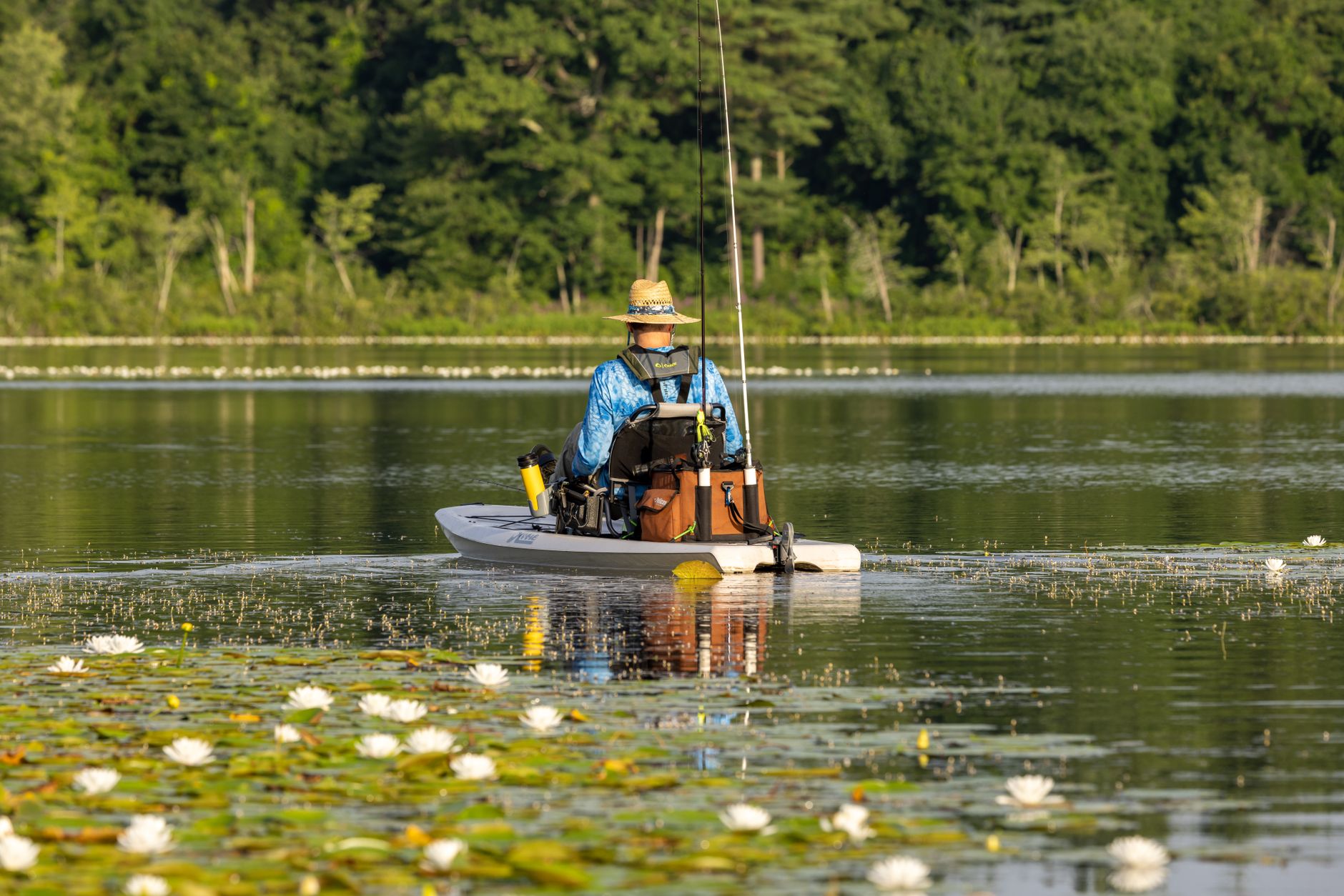
The Suwannee is especially popular among kayak anglers and small boat fishermen.

Why It’s a Top Fishery

  • Scenic, old Florida atmosphere
  • Excellent river fishing opportunities
  • Plenty of public access
  • Less pressure than major lakes

Boat Launches

  • Suwannee River State Park
  • Dowling Park Ramp
  • Fanning Springs Ramp
  • Branford Ramp

Best Techniques

  • Texas-rigged worms
  • Spinnerbaits around wood
  • Topwater plugs at daylight
  • Swim jigs along cypress edges

4. Orange Lake

Orange Lake near Gainesville has long been one of the best big bass lakes in North Florida.

Water levels fluctuate over the years, but when conditions are right, Orange Lake can produce incredible fishing. Vast grass flats, hydrilla beds, and shallow spawning areas create prime bass habitat.

The lake has a strong history of producing tournament-winning bags and trophy fish.

Why It’s a Top Fishery

  • Big bass genetics
  • Large shallow grass flats
  • Strong spawning habitat
  • Historically productive fishery

Boat Launches

  • Marjorie Kinnan Rawlings Ramp
  • Heagy-Burry Park Boat Ramp

Best Techniques

  • Chatterbaits
  • Lipless crankbaits
  • Weightless stick worms
  • Frogs over grass

5. Lake Talquin

Lake Talquin west of Tallahassee is one of the best overlooked bass lakes in the region.

This river-fed reservoir offers deep water, creek channels, standing timber, and offshore structure that separates it from many shallow Florida lakes. Talquin consistently produces quality fish and has an excellent offshore bite during summer and winter.

Why It’s a Top Fishery

  • Strong offshore fishing opportunities
  • Excellent structure fishing
  • Lower fishing pressure
  • Big fish potential

Boat Launches

  • Coe Landing
  • Williams Landing
  • Ingram’s Marina

Best Techniques

  • Deep-diving crankbaits
  • Carolina rigs
  • Jig fishing timber
  • Shaky heads offshore

6. Santa Fe Lake

Santa Fe Lake near Melrose is a clear-water fishery that gives anglers a different style of bass fishing than most North Florida lakes.

The lake is known for healthy grass beds, docks, and clean water that often requires more finesse presentations. It consistently produces quality bass and offers beautiful scenery.

Why It’s a Top Fishery

  • Clear-water sight fishing opportunities
  • Healthy vegetation
  • Consistent quality fish
  • Excellent dock fishing

Boat Launches

  • Melrose Bay Park
  • Santa Fe Lake Park

Best Techniques

  • Wacky-rigged worms
  • Swim jigs
  • Topwater walking baits
  • Finesse worms

7. Dead Lakes

The Dead Lakes near Wewahitchka offer one of the most unique bass fishing experiences in Florida.

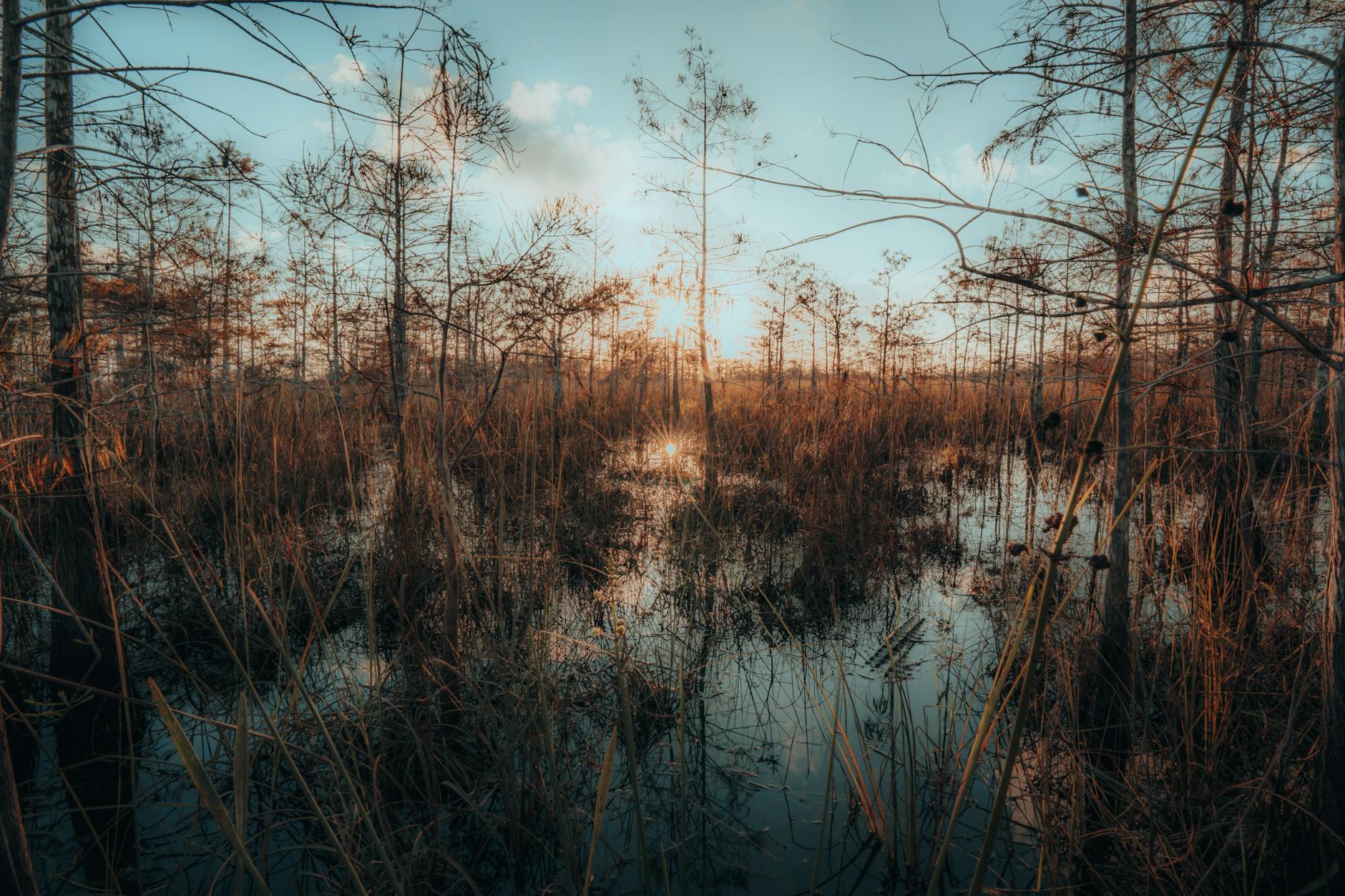
Known for its haunting cypress trees and maze-like backwaters, this fishery is loaded with shallow cover and ambush points for largemouth bass.

Fishing here feels like stepping back into old Florida.

Why It’s a Top Fishery

  • Incredible cypress tree fishing
  • Scenic backwater environment
  • Excellent shallow-water bite
  • Great kayak fishery

Boat Launches

  • Dead Lakes Park
  • Wewahitchka Boat Ramp

Best Techniques

  • Spinnerbaits
  • Squarebill crankbaits
  • Weightless soft plastics
  • Topwater frogs

8. Lake Rousseau

Lake Rousseau near Crystal River is another underrated North Florida bass destination.

This river-fed lake has abundant submerged timber, grass, and creek channels that hold quality bass year-round. It’s especially productive during cooler months when fish move shallow.

Why It’s a Top Fishery

  • Excellent winter fishing
  • Diverse habitat
  • Strong numbers of keeper bass
  • Less crowded than larger lakes

Boat Launches

  • Lake Rousseau State Park Ramp
  • Potts Preserve Ramp

Best Techniques

  • Flipping wood cover
  • Lipless crankbaits
  • Soft jerkbaits
  • Chatterbaits

9. Ochlockonee River & Lake System

The Ochlockonee River system provides anglers with a mix of river and reservoir fishing opportunities.

This system holds healthy bass populations with plenty of cypress trees, grass lines, docks, and tidal influence in some areas.

It’s a versatile fishery that fishes differently throughout the year depending on water levels and river flow.

Why It’s a Top Fishery

  • Combination river and lake fishing
  • Excellent habitat diversity
  • Strong spring bite
  • Good public access

Boat Launches

  • Ochlockonee River State Park
  • Talquin Highway Ramp
  • White Oak Landing

Best Techniques

  • Spinnerbaits
  • Texas-rigged worms
  • Swim jigs
  • Buzzbaits in low light

10. Lake Miccosukee

Lake Miccosukee near Tallahassee is a shallow natural lake known for excellent spring bass fishing.

Water levels can fluctuate significantly, but when the lake is healthy, it can produce outstanding numbers of bass in shallow vegetation.

Why It’s a Top Fishery

  • Excellent spawning habitat
  • Productive shallow-water fishing
  • Strong springtime action
  • Good kayak opportunities

Boat Launches

  • Lake Miccosukee County Park

Best Techniques

  • Frogs
  • Speed worms
  • Swim jigs
  • Weightless plastics

Final Thoughts

North Florida offers some of the most diverse largemouth bass fishing in the Southeast. Whether you prefer flipping heavy hydrilla, fishing offshore ledges, throwing frogs through lily pads, or working soft plastics around cypress trees, there’s a fishery here that fits your style.

One of the best things about bass fishing in North Florida is that many of these lakes and rivers still feel untouched compared to heavily pressured fisheries farther south. You can spend a day on the water surrounded by old cypress trees, spring-fed rivers, and marsh grass while still having a legitimate chance at catching the biggest bass of your life.

For anglers willing to explore beyond the famous destinations, North Florida may be one of the best bass fishing regions in the entire country.

Public Land Gear Checklist

What You Actually Need — And What You Probably Don’t

There’s something special about hunting public land. No gates with your name on them, no planted food plots waiting for you, and no guarantees. Just boot leather, scouting, and figuring things out the hard way. That’s what makes success on public land feel earned.

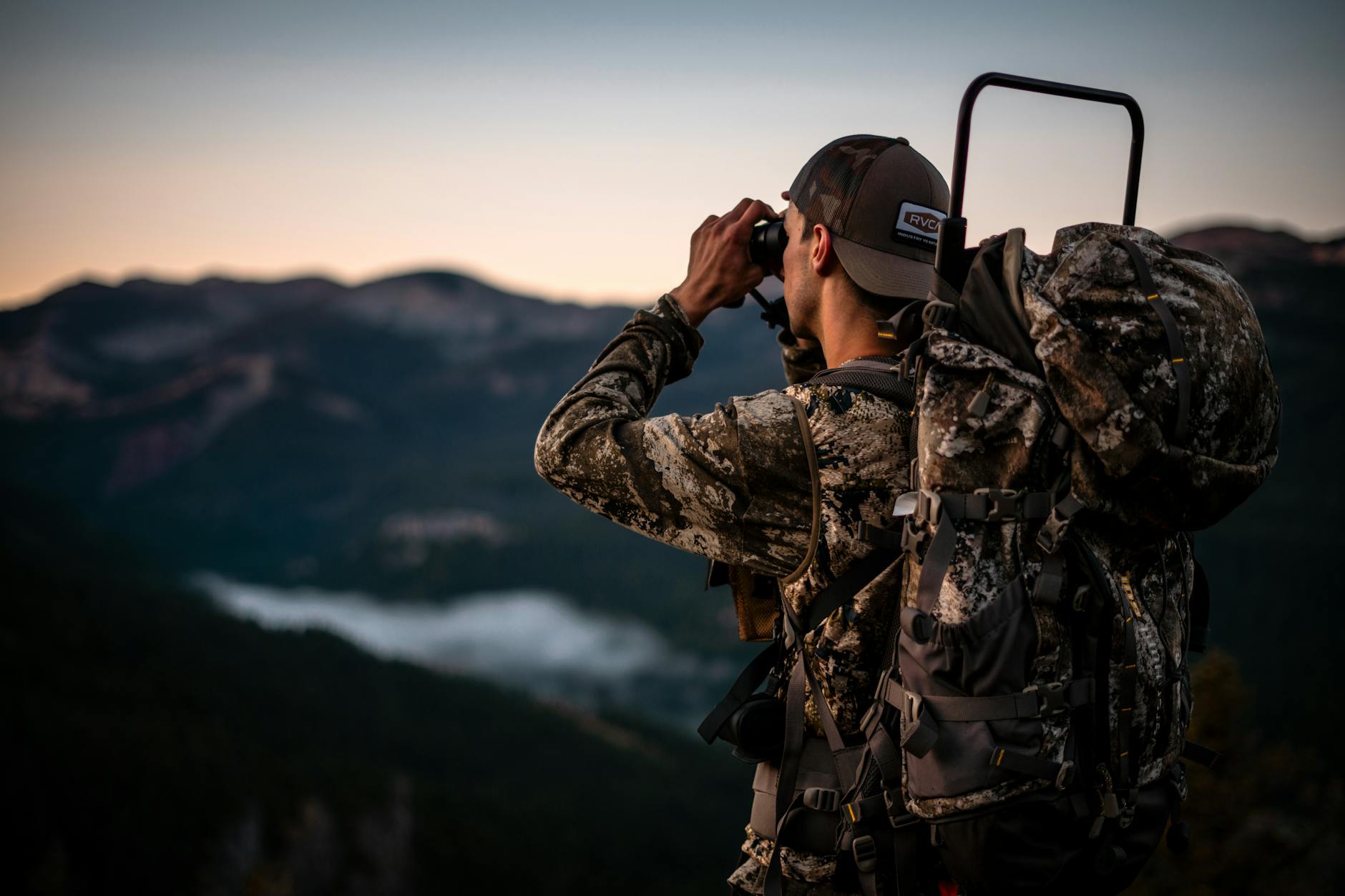
But one mistake a lot of hunters make — especially when first getting into public land hunting — is carrying way too much gear. We’ve all done it. You start packing for every possible scenario and before you know it, your backpack weighs 40 pounds and sounds like a toolbox every time you move.

The truth is, public land hunting is usually better when you stay mobile, simple, and efficient.

Here’s a realistic public land gear checklist with the essentials you should bring, along with a few things many hunters think they need but probably don’t.


The Essentials

Backpack

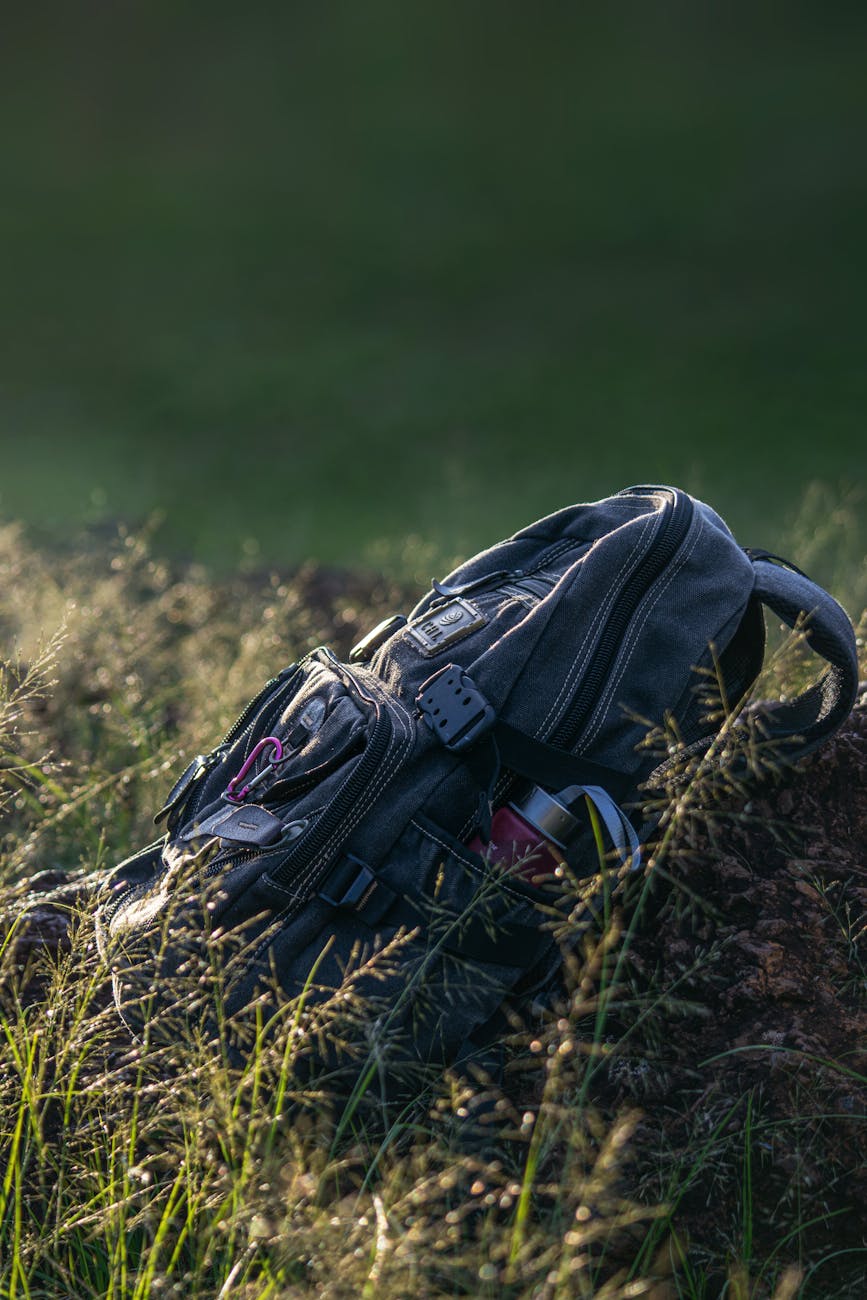
A comfortable hunting backpack is worth every penny. It doesn’t have to be giant, but it should carry water, layers, safety gear, snacks, and your kill kit comfortably.

Look for:

  • Quiet material
  • Lightweight design
  • Waist strap
  • Enough room for extra layers

You’ll appreciate a good pack after a few miles walking through palmettos, pines, swamps, or hardwoods.


Navigation Tools

Public land can get confusing fast, especially before daylight.

Bring:

  • Fully charged phone
  • Hunting app with downloaded offline maps
  • Portable battery pack
  • Compass as backup

Apps like onX or HuntStand make life easier, but electronics can fail. A simple compass still matters.


Water

This sounds obvious, but a surprising number of hunters underestimate hydration — especially in North Florida and South Georgia heat.

Bring more water than you think you need.

Early season public land hunts can feel more like hiking trips than hunting trips. Dehydration will ruin your hunt faster than almost anything else.


Lightweight Snacks

You don’t need a full camp kitchen in your backpack.

Good options:

  • Jerky
  • Trail mix
  • Protein bars
  • Peanut butter crackers
  • Electrolyte packets

Simple calories go a long way during all-day sits or long scouting missions.


Headlamp

A quality headlamp is mandatory.

Bring:

  • Extra batteries
  • Red or green light mode if possible

Most public land movement happens in the dark. Having both hands free while walking through thick woods or climbing a tree is a game changer.


Knife & Kill Kit

Keep it simple.

Your kill kit should include:

  • Sharp knife
  • Replaceable blades or sharpener
  • Gloves
  • Game bags if needed
  • Zip ties or tagging materials

You do not need an entire butcher shop in your backpack.


Rain Gear

Even if the forecast looks clear, lightweight rain gear is worth packing.

Florida weather changes fast, especially during early season thunderstorms.

A compact rain jacket can also double as a wind blocker on cold mornings.


Extra Layers

Cold fronts in the South can be unpredictable. Dress in layers instead of carrying bulky clothing.

The goal:

  • Stay dry
  • Stay mobile
  • Avoid sweating during long walks

A sweaty hunter gets cold quickly once temperatures drop.


Safety Harness

If you’re climbing a tree, wear one. Every single time.

No deer is worth risking your life.


First Aid Basics

You don’t need a giant medical bag, but you should carry:

  • Bandages
  • Athletic tape
  • Pain reliever
  • Tweezers
  • Blood clotting gauze
  • Bug bite relief

Public land often means long walks back to the truck. Small injuries become big problems fast.


Things You Think You Need (But Probably Don’t)

Every Deer Call Ever Made

A grunt tube and maybe a rattling setup are usually enough.

You probably don’t need:

  • Three grunt calls
  • Multiple bleat cans
  • Four rattling systems
  • A backpack full of gadgets

Most successful public land hunters focus more on woodsmanship than calling.


Giant Backpack

A huge pack encourages overpacking.

If your backpack feels like you’re heading on a three-day camping trip for a morning hunt, you’re carrying too much.

Public land hunting rewards mobility.


Too Many Clothes

A common mistake is dressing for the stand before the walk.

You’ll sweat during the hike in, then freeze once you stop moving.

Dress lighter for the walk and layer up when you get settled.


Scent Elimination Overload

Basic scent control matters. Wind direction matters more.

You probably do not need:

  • Six different sprays
  • Ozone generators
  • Entire bags dedicated to scent products

Playing the wind and accessing spots carefully is usually more important.


Excessive Camera Gear

Unless you’re specifically filming content, keep cameras minimal.

Public land already requires carrying enough gear. Extra tripods, lenses, batteries, and mounts add weight quickly.

Sometimes it’s better to simply enjoy the hunt.


Massive Tool Kits

You don’t need:

  • Five saws
  • Multiple hatchets
  • Full socket sets
  • Enough gear to build a treehouse

A small folding saw is usually more than enough.


Too Much Technology

Technology helps, but don’t become dependent on it.

Some hunters spend more time staring at maps and wind apps than actually learning the woods.

Boots on the ground still wins.


Final Thoughts

The best public land hunters are usually the most adaptable hunters. They move efficiently, scout hard, hunt smart, and avoid carrying unnecessary weight into the woods.

Experience eventually teaches you the same lesson most backpack hunters learn: every ounce matters.

Bring what helps you hunt better. Leave behind what only makes you feel prepared.

At the end of the day, public land success usually comes down to effort, patience, and understanding the land — not how much gear you can strap to your back.

And if you’ve hunted public land long enough, you’ve probably realized something funny:

Half the gear you thought you needed eventually ends up staying in the truck anyway.