The Best Native Deer Foods in North Florida (And Where to Find Them)

By Timber & Marsh

When most hunters think about deer hunting, the conversation usually turns toward stands, funnels, wind direction, and rut timing. But one of the biggest keys to consistently finding deer in North Florida starts with understanding one thing:

Where is the food?

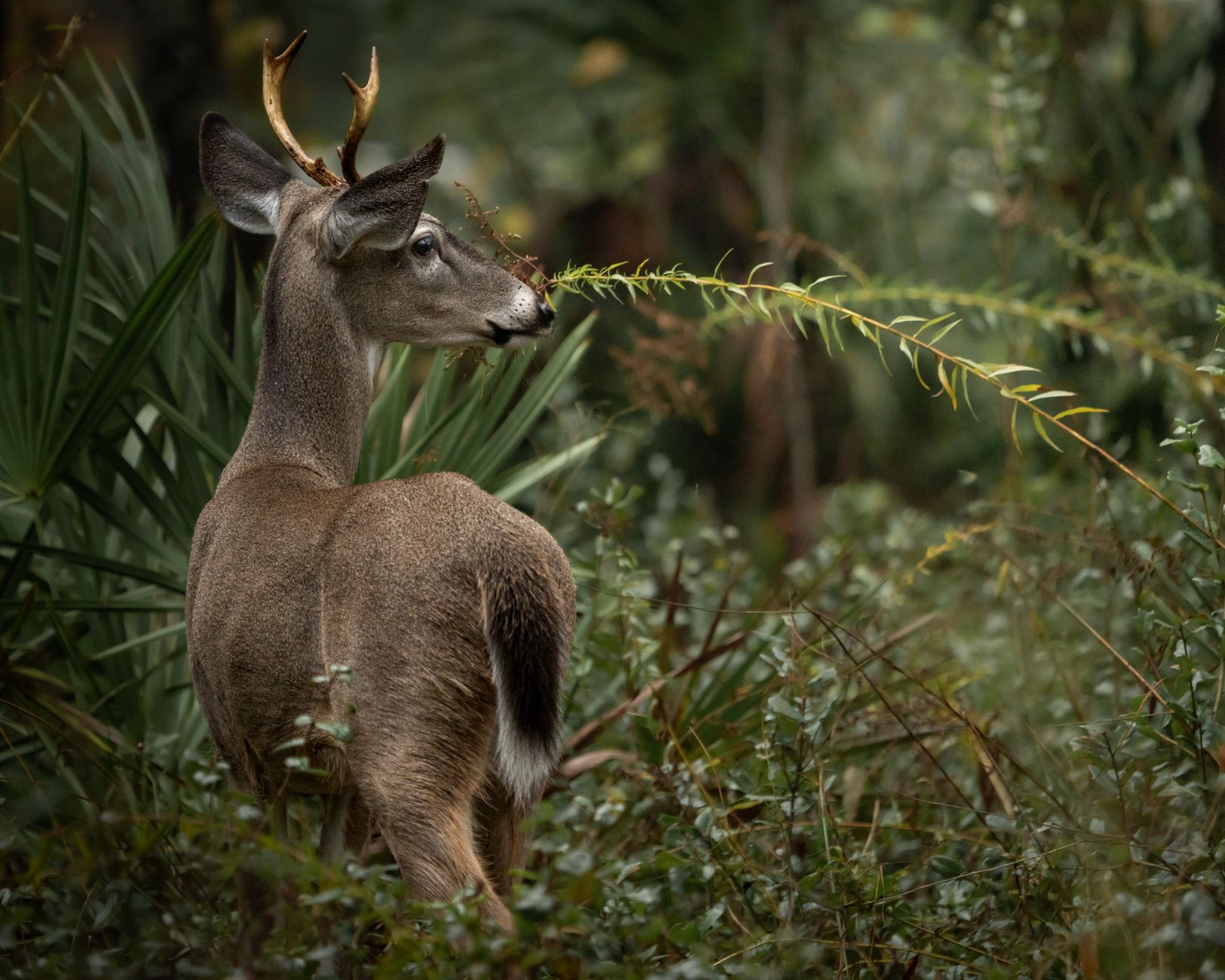
Florida’s deer live in a unique landscape of pine flatwoods, hardwood hammocks, swamps, agricultural edges, and river bottoms. Unlike agricultural states where deer can feed on massive soybean or corn fields, North Florida deer often survive by taking advantage of a wide variety of native plants, fruits, nuts, and browse.

Knowing these natural food sources can help you locate deer year-round — especially on public land where deer are not pressured the same way every hunter thinks.

Here are some of the best native deer foods found across North Florida.


1. Acorns — The King of North Florida Deer Food

If you ask most experienced Florida hunters what food source they want to find, the answer is simple:

White oaks and acorns.

Acorns provide deer with a high-energy food source packed with carbohydrates and fats. When acorns start dropping, deer will often change their patterns overnight.

Some of the best acorn-producing trees in North Florida include:

  • Live oak
  • Water oak
  • Laurel oak
  • Swamp chestnut oak
  • Turkey oak
  • Post oak

Where to find them:

Look for oak hammocks and transition zones:

  • Along creek bottoms
  • Around swamp edges
  • Between pine plantations and hardwood areas
  • Old homestead sites
  • River floodplains

In places like Suwannee County, Lafayette County, Columbia County, and the surrounding Big Bend region, these hardwood pockets can be deer magnets.

A common mistake hunters make is sitting directly under the biggest oak tree. Mature bucks often stage nearby before entering the feeding area, especially during daylight.

Look for:

  • Trails leading into oak flats
  • Fresh droppings
  • Rub lines
  • Scrapes nearby

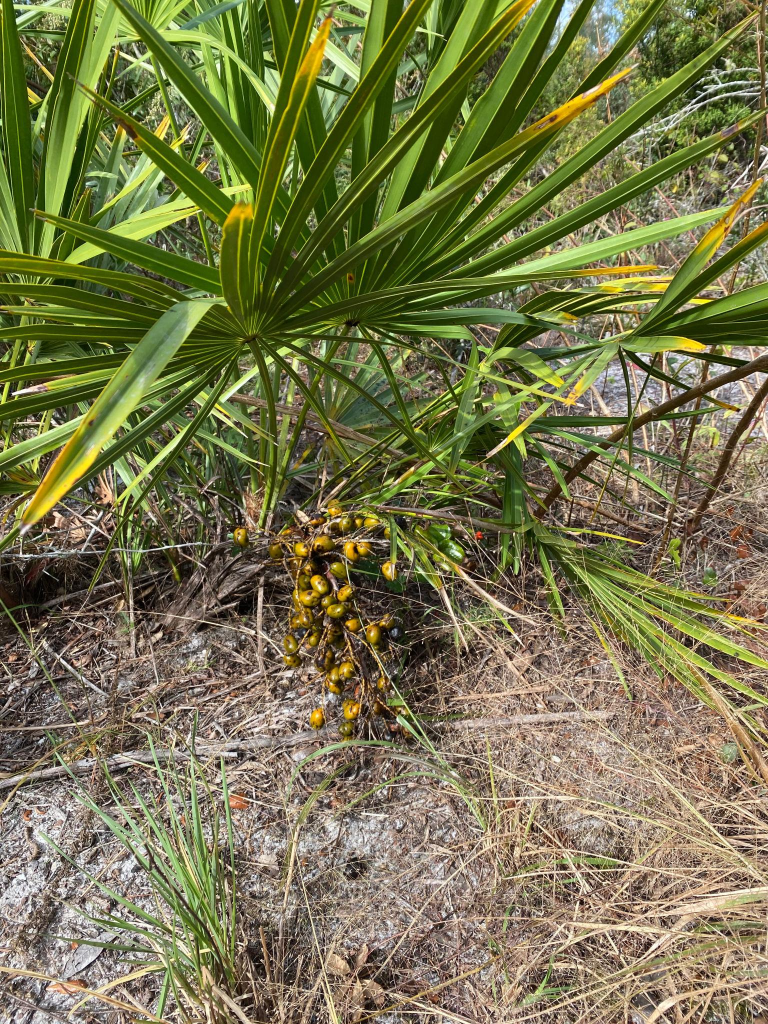
2. Saw Palmetto — The Florida Staple

Saw palmetto is one of the most recognizable plants in Florida, and it plays a huge role in deer habitat.

While many people don’t consider palmetto a “food plot,” deer use it heavily.

They eat:

  • Palmetto berries
  • Young shoots
  • Leaves
  • Associated plants growing underneath

Palmetto also provides incredible bedding cover.

Where to find it:

Some of the best areas include:

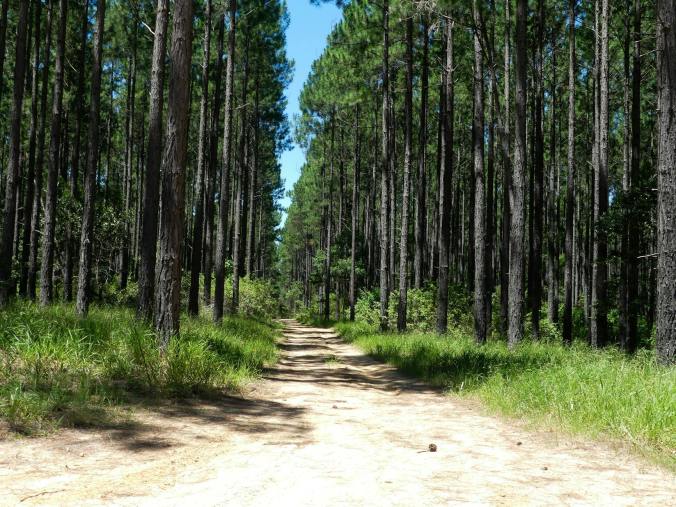
  • Pine flatwoods
  • Sandhill habitats
  • Scrub areas
  • Old timberlands

Public hunting areas with large pine ecosystems often have plenty of palmetto.

Look for areas where palmetto meets:

  • Young pines
  • Hardwood drains
  • Wet-weather creeks

Those edges create security and food together.
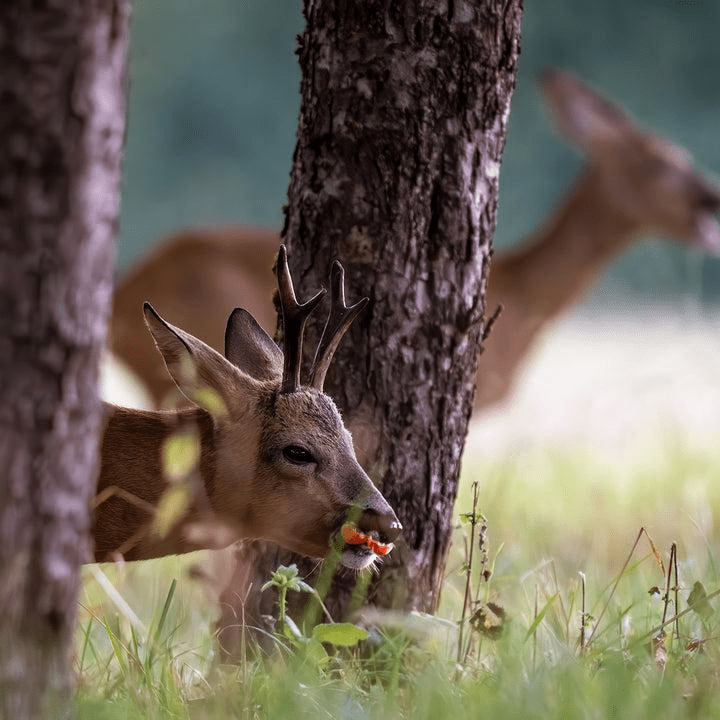

3. Persimmons — The September Deer Magnet

Persimmons are one of the most valuable native fruit trees for North Florida deer.

When they begin dropping, deer often abandon normal feeding patterns to target them.

Persimmons provide:

  • Natural sugar
  • Calories before winter
  • A highly preferred food source

Where to find them:

Persimmons commonly grow around:

  • Old fields
  • Farm edges
  • Fence rows
  • Creek bottoms
  • Abandoned homesteads

One of the best ways to find persimmons is not by looking for the tree — look for deer sign.

Find:

  • Heavy trails
  • Droppings
  • Tracks
  • Torn up ground beneath fruit trees

A single persimmon tree can be a better hunting location than 100 acres of average woods.


4. Mushrooms, Nuts, and Soft Mast

North Florida forests produce a surprising amount of natural deer food.

Deer consume:

  • Mushrooms
  • Wild grapes
  • Blackberries
  • Blueberries
  • Hickory nuts
  • Pecans
  • Various seeds

These foods are especially important during seasonal transitions.

Where to find them:

Look around:

  • Creek crossings
  • Damp hardwood areas
  • Edge habitat
  • Open timber

Areas with a mixture of sun and shade usually produce the most diversity.


5. Native Browse — The Food Deer Eat Every Day

While fruits and acorns get the attention, deer survive on browse.

Browse includes the leaves and stems of woody plants.

Common Florida deer browse includes:

  • Blackberry
  • Greenbrier
  • Honeysuckle
  • Wax myrtle
  • Young oaks
  • Dogwood
  • Maple
  • Various native shrubs

A deer can eat thousands of bites of browse every day.

Where to find good browse:

Look for:

  • Recent timber cuts
  • Fire-managed pine forests
  • Young regrowth areas
  • Clear cuts 1–5 years old

Many hunters walk past these areas because they don’t look like “classic deer woods.”

In reality, young growth can hold deer all year.
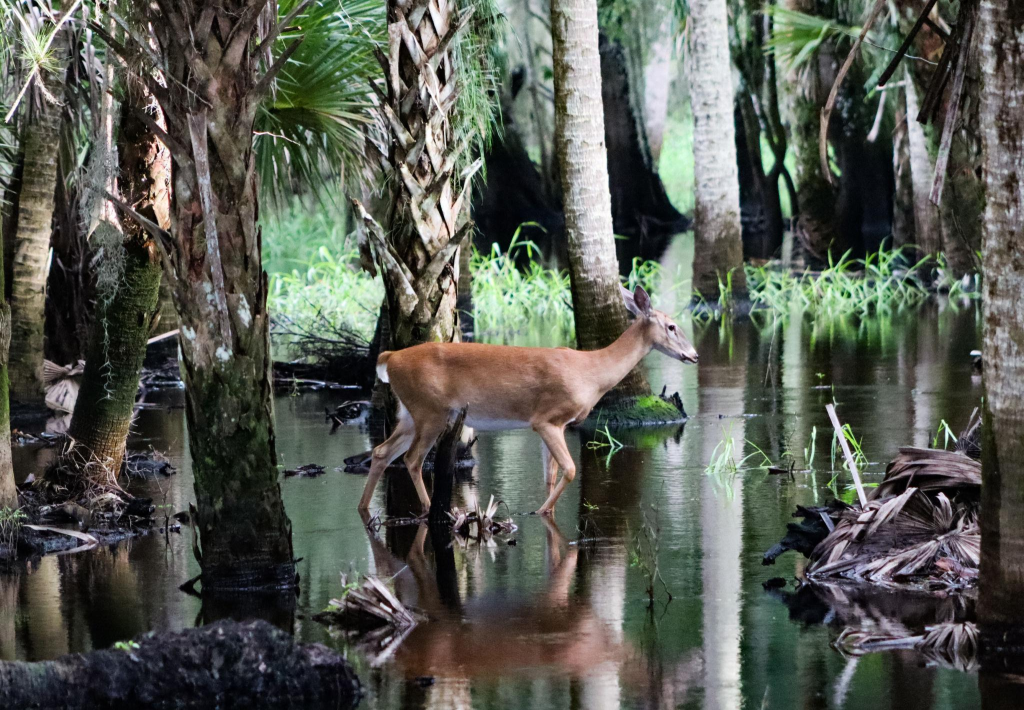

6. Aquatic Plants & Swamp Edges

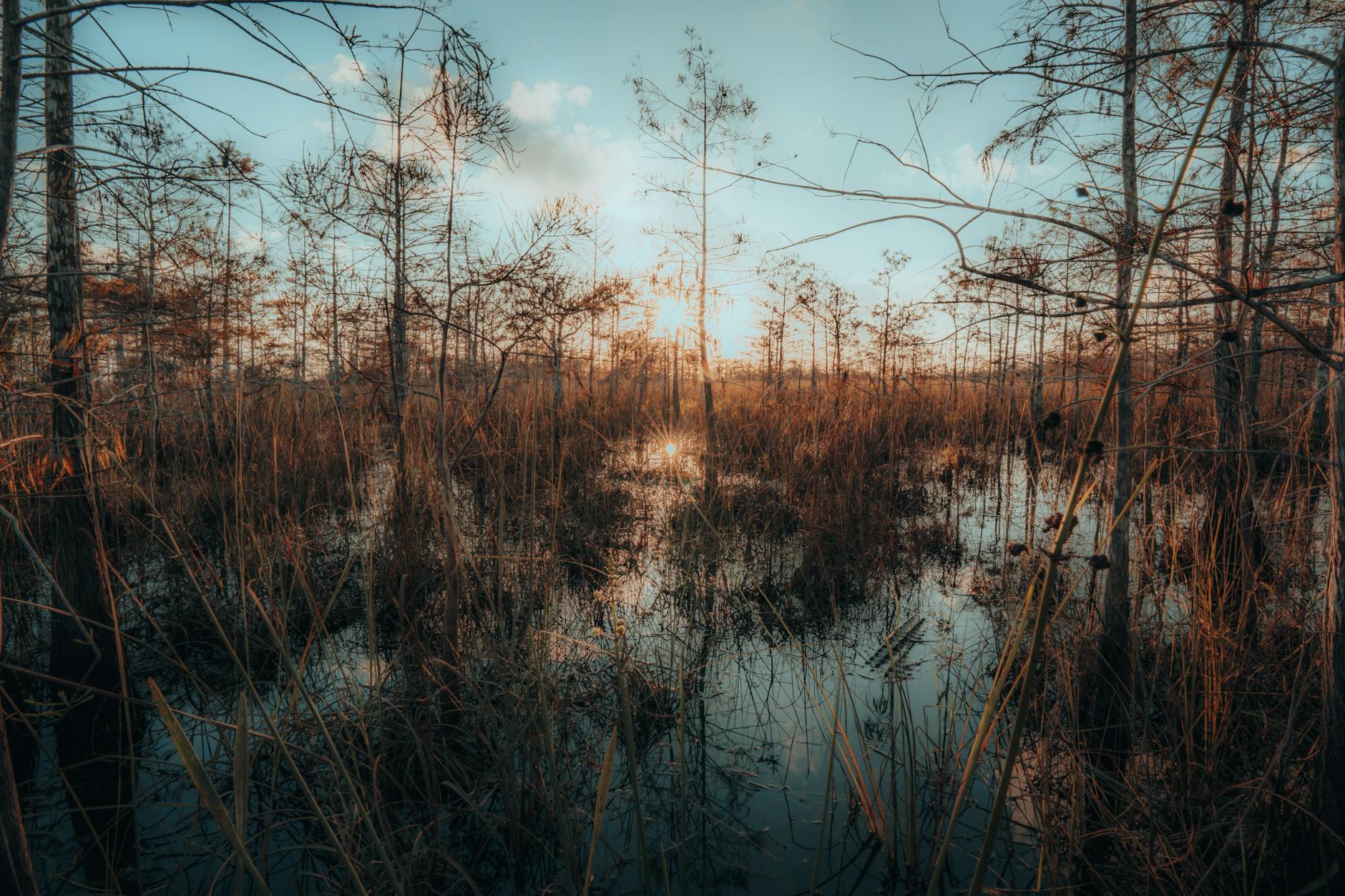
North Florida is full of wetlands, and deer are extremely comfortable living around them.

Swamp edges provide:

  • Food
  • Water
  • Security
  • Bedding cover

Deer will feed around:

  • Cypress heads
  • Marsh edges
  • Creek bottoms
  • Wet prairie areas

The key is finding the dry ground nearby.

Look for:

  • High spots inside wet areas
  • Trails crossing shallow water
  • Deer tracks entering and exiting wetlands

How To Find Deer Food Before Hunting

Before hanging a stand or setting up a camera, spend time scouting.

Look for:

Feeding Sign

  • Fresh droppings
  • Browsed plants
  • Tracks
  • Torn fruit

Travel Sign

  • Trails
  • Creek crossings
  • Pinch points

Bedding Areas

  • Thick cover
  • Palmetto patches
  • Swamp islands
  • Young pine growth

The best spots usually combine all three:

Food + Cover + Security


Final Thoughts

North Florida deer hunting is different from hunting farmland states. Success comes from learning the land.

A deer doesn’t need a food plot when the woods provide everything it needs.

The hunter who understands native foods will always have an advantage — because deer patterns are built around survival.

Find the food.

Find the deer.

Respect the land.

Timber & Marsh
Hunting • Fishing • Conservation • North Florida Outdoors
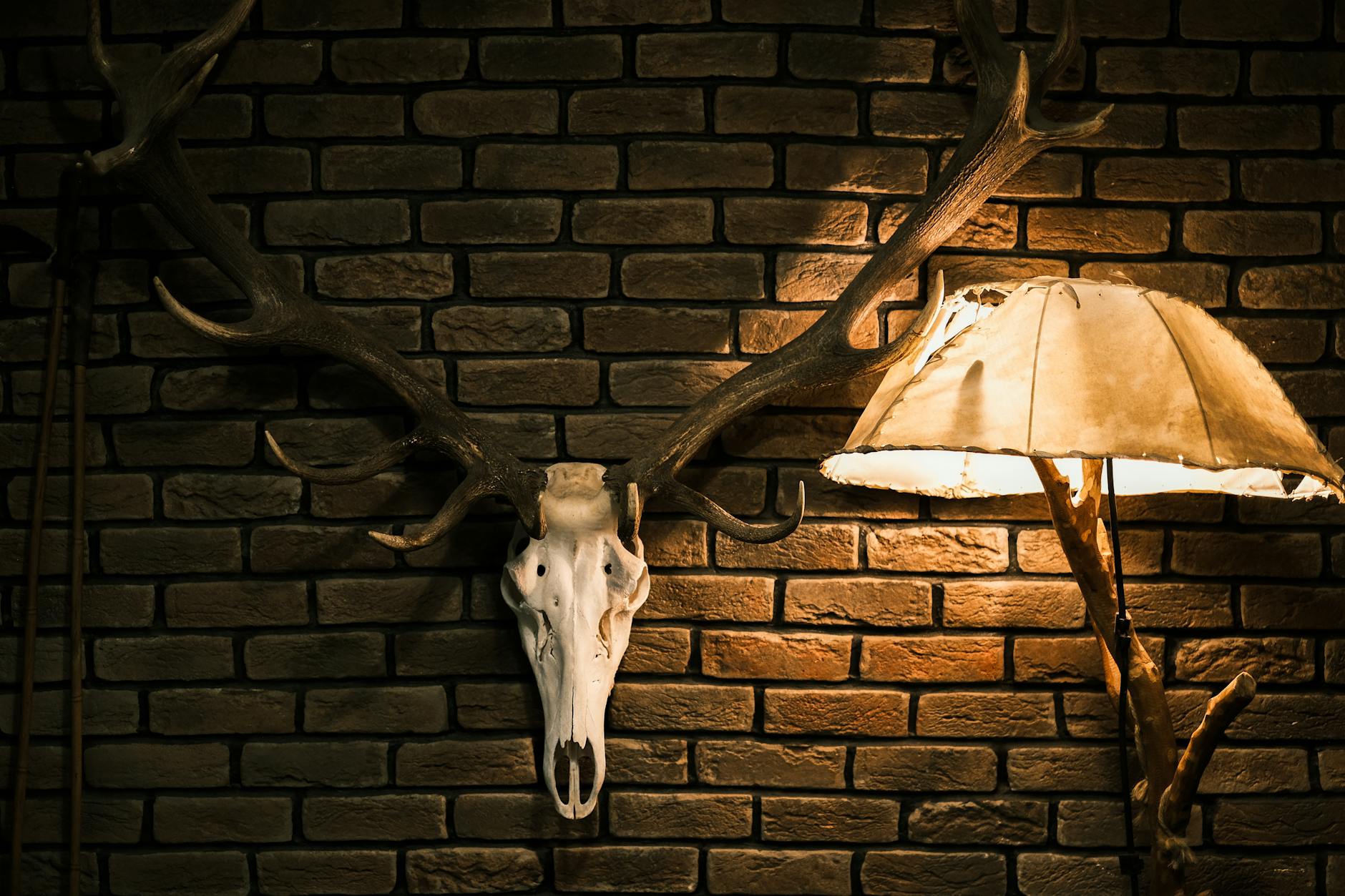
North Florida Private Land Hunting Opportunites

For hunters in North Florida, especially around Suwannee County and the surrounding region, there are more opportunities than ever to experience professionally managed private land hunting. While public land hunting is deeply rooted in Florida tradition, private ranches and outfitted preserves offer something different — carefully managed habitat, limited hunting pressure, higher age-class deer, comfortable lodging, and in some cases, the opportunity to pursue exotic species that you simply will not find on public ground.

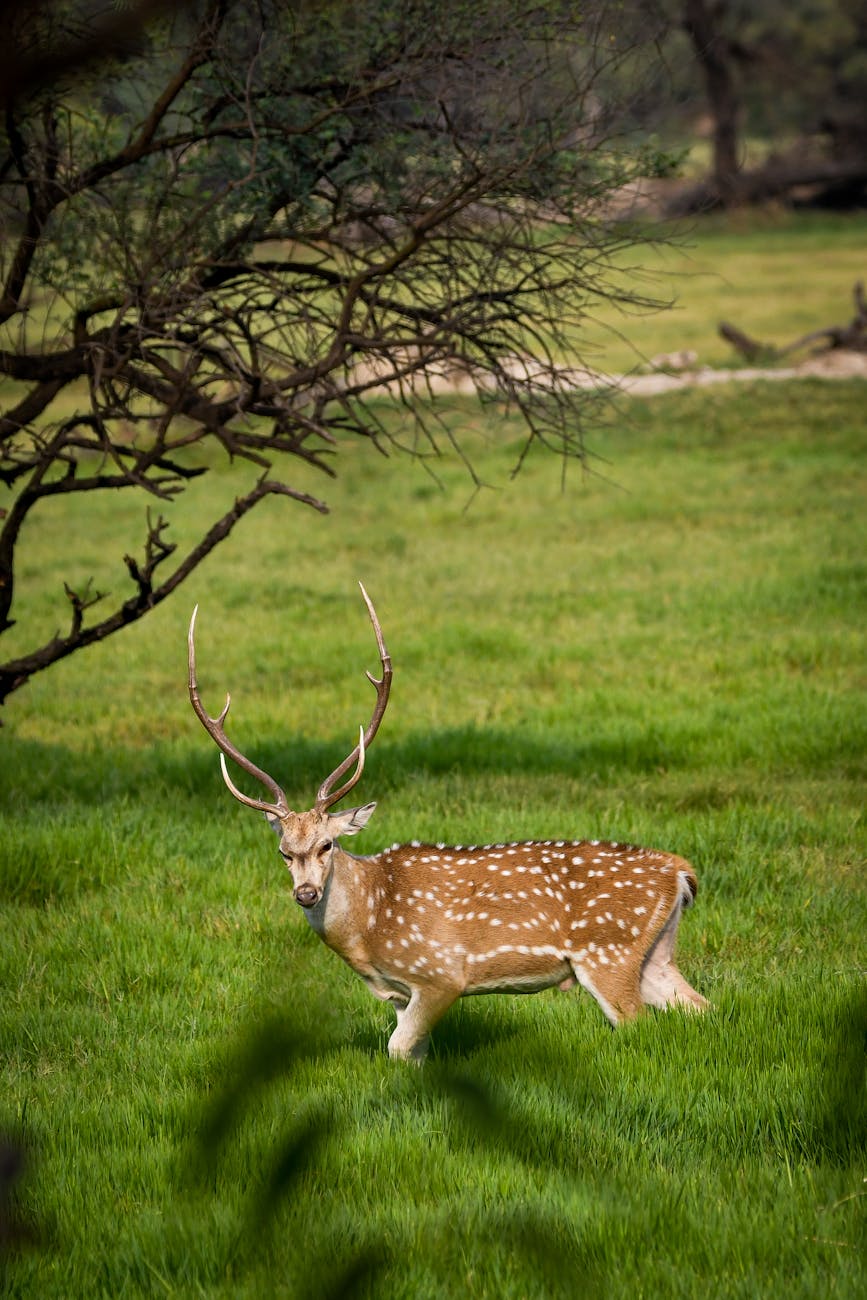
From the pine flats of Suwannee County to massive high-fence ranches stretching across North Florida, hunters can find everything from classic whitetail hunts to fully guided exotic game experiences. Whether you are looking for a trophy buck, a corporate hunting retreat, or a once-in-a-lifetime axis deer or blackbuck hunt, North Florida has quietly become a destination for private ranch hunting.

The Rise of Private Ranch Hunting in North Florida

Over the last decade, many private landowners in North Florida have shifted toward intensive wildlife management. Large tracts of timberland, cattle ranches, and agricultural properties are now being managed specifically for hunting opportunities.

These operations typically focus on:

  • Supplemental feeding programs
  • Habitat management
  • Controlled harvest strategies
  • Limited hunter numbers
  • Mature age-class deer
  • Guided experiences and lodging

Some ranches operate as traditional low-fence hunting properties, while others use high fencing to intensively manage deer genetics and exotic game species. These ranches often provide opportunities that are difficult to find elsewhere in Florida, including hunts for axis deer, blackbuck antelope, oryx, red stag, sika deer, fallow deer, elk, and other non-native species.

Notable Private Hunting Opportunities in North Florida

IronWood Preserve

Located in Suwannee County, IronWood Preserve has become one of the better-known private hunting destinations in the region. The preserve focuses heavily on upland bird hunting and whitetail opportunities while offering a true North Florida experience with pine woods, managed habitat, and private-group hunts. Their property spans thousands of acres and caters to hunters looking for a quieter, more personalized atmosphere rather than crowded hunting clubs.  

What makes places like IronWood attractive is the overall experience — quality lodging, guided hunts, bird dogs, and a traditional Southern hunting camp feel that is becoming harder to find.

Legacy Ranch

Just north of Suwannee County near Jennings, Legacy Ranch markets itself as a premier North Florida whitetail destination. The ranch sits in Florida’s famed “Blackbelt” region, known for fertile soils and quality deer habitat. Hunters can expect rolling hills, oak hammocks, pine plantations, and managed deer populations.  

Legacy Ranch appeals to hunters who want a more refined private-land experience while still feeling like they are hunting natural Florida terrain.

Roberts Ranch

Roberts Ranch is one of the most recognized high-fence hunting operations in Florida. Located in Putnam County, the ranch encompasses roughly 11,000 acres, with thousands of acres enclosed by high fencing and intensively managed for trophy whitetails and exotic game.  

Hunters here can pursue:

  • Trophy whitetail deer
  • Axis deer
  • Blackbuck antelope
  • Oryx
  • Pheasant
  • Alligator

Roberts Ranch has built a reputation for producing exceptionally large Florida whitetails through long-term genetic management and controlled harvest programs. For hunters wanting a true trophy-focused experience, this is one of the highest-profile destinations in the state.

Exotic Hunting Opportunities in Florida

Many hunters are surprised to learn that Florida has become a legitimate destination for exotic game hunting. Thanks to the climate and large private ranches, numerous non-native species thrive here.

6M Ranch

Located near Chiefland, 6M Ranch combines a luxury lodge atmosphere with large-scale hunting opportunities on working cattle ranch land. The property offers hunts for whitetails, Osceola turkey, and a variety of exotic species.  

This style of ranch is becoming increasingly popular for:

  • Corporate retreats
  • Family hunting trips
  • Guided exotic hunts
  • Multi-species hunting packages

Many of these ranches now rival the experience traditionally associated with Texas exotic hunting operations.

Ross Hammock Ranch

Ross Hammock Ranch is another well-known Florida hunting preserve offering both native and exotic species. Hunters can pursue whitetails, hogs, Osceola turkey, and an extensive lineup of exotic animals including:

  • Axis deer
  • Sika deer
  • Fallow deer
  • Red deer
  • Elk
  • Water buffalo
  • Bison
  • Exotic sheep and goats  

Operations like Ross Hammock Ranch showcase how diverse Florida hunting opportunities have become beyond traditional deer camps.

The Debate Around High-Fence Hunting

High-fence hunting remains one of the most debated topics in the hunting community. Some hunters view it as highly managed conservation and livestock-style wildlife production, while others believe it conflicts with traditional fair chase ethics.

Online hunting communities often show mixed opinions. Some hunters argue that large high-fence ranches can still provide challenging hunts and extensive habitat, while others feel the fences fundamentally change the experience.  

At the same time, supporters point out that many private ranches:

  • Invest heavily in habitat conservation
  • Maintain healthy wildlife populations
  • Protect large tracts of undeveloped land
  • Generate funding for wildlife management
  • Offer access to hunters who may not otherwise have private land opportunities

Ultimately, whether someone prefers public land, low-fence private land, or high-fence trophy ranches comes down to personal preference and hunting philosophy.

Beyond Trophy Hunting

One of the biggest misconceptions about private ranch hunting is that it is only for wealthy trophy hunters. While some elite ranches certainly cater to that market, many North Florida properties also offer:

  • Meat hunts
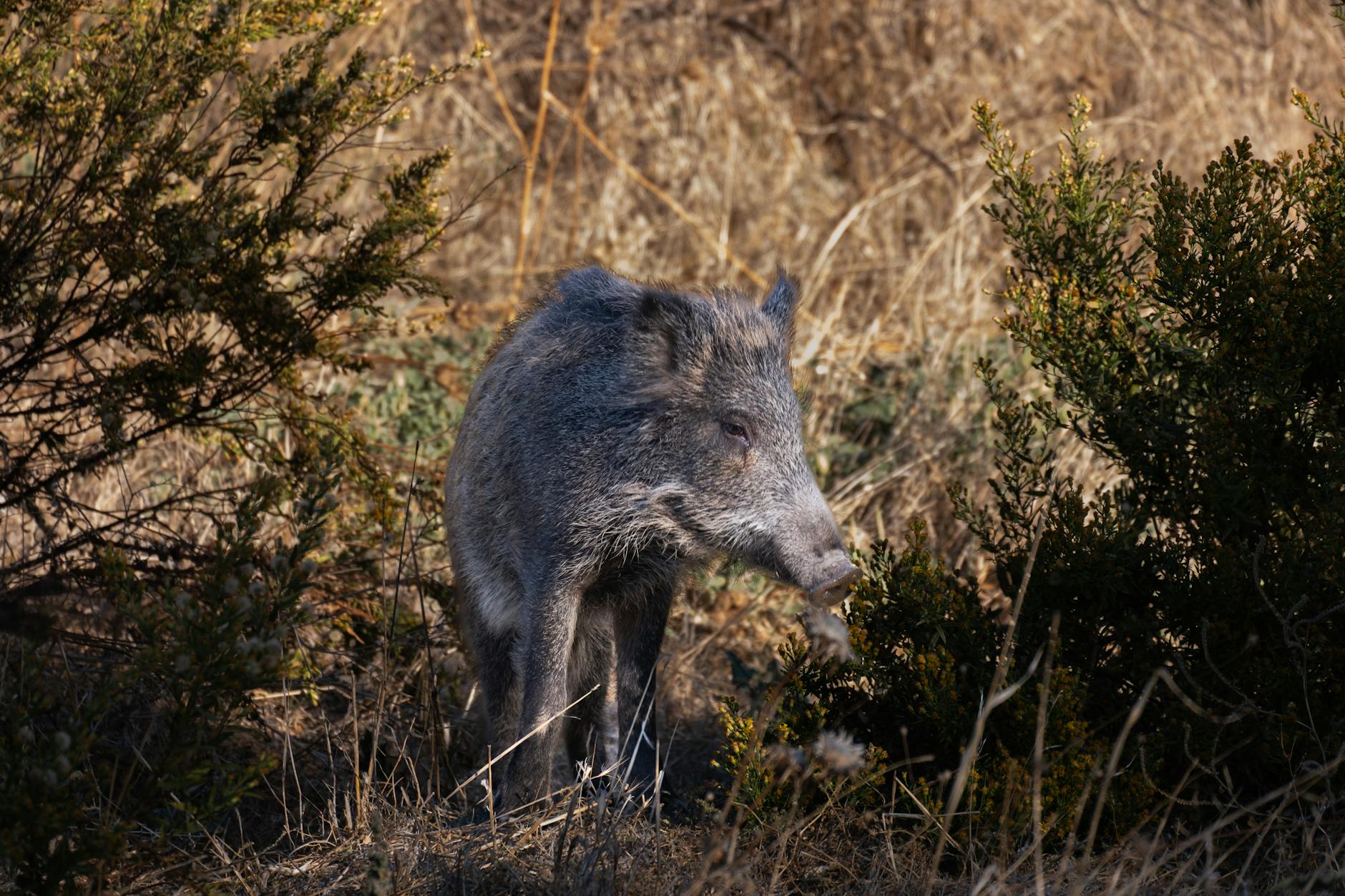
  • Hog hunts
  • Youth hunts
  • Corporate events
  • Turkey hunts
  • Bird hunting packages
  • Seasonal hunting leases

There are also increasing opportunities for hunters to secure smaller private leases across Suwannee and surrounding counties through timber companies, agricultural landowners, and local connections. Properties like Valley View Outfitters and regional timber operations continue to provide alternative hunting access for sportsmen looking to get off crowded public land.  

Final Thoughts

North Florida’s hunting culture has always been rooted in tradition — pine plantations, oak hammocks, swamp edges, dog drives, and generations of deer camps. But today, a new side of the region’s hunting industry is emerging through professionally managed private ranches and exotic hunting operations.

Whether your dream hunt is a mature North Florida whitetail, an axis buck on a sprawling cattle ranch, or simply a quiet weekend hunting private land with friends and family, the Suwannee Valley and surrounding counties offer more opportunities than many hunters realize.

And as access to quality hunting land becomes increasingly difficult nationwide, private ranches will likely continue playing a growing role in the future of hunting across North Florida.

Public Land Gear Checklist

What You Actually Need — And What You Probably Don’t

There’s something special about hunting public land. No gates with your name on them, no planted food plots waiting for you, and no guarantees. Just boot leather, scouting, and figuring things out the hard way. That’s what makes success on public land feel earned.

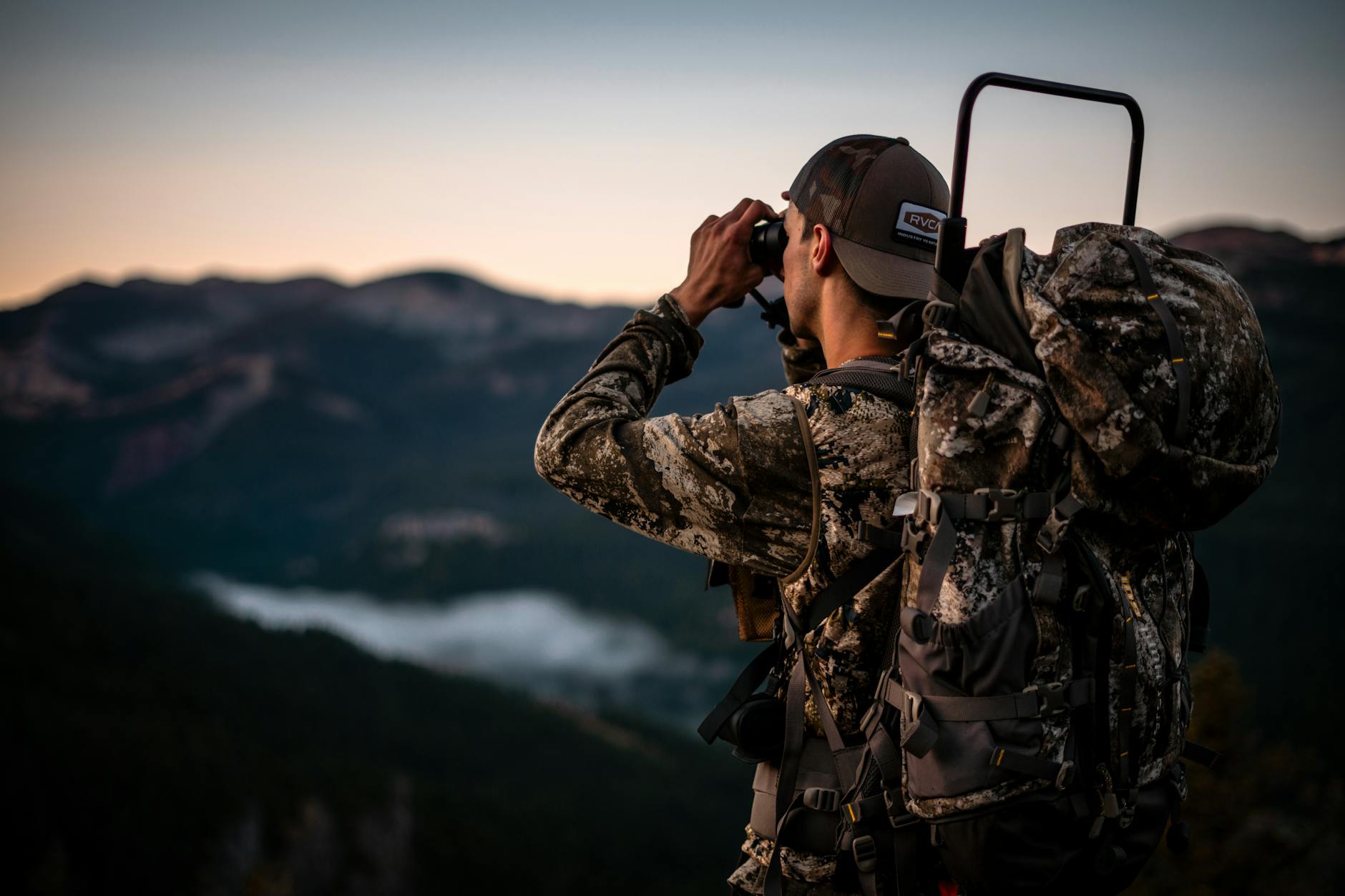
But one mistake a lot of hunters make — especially when first getting into public land hunting — is carrying way too much gear. We’ve all done it. You start packing for every possible scenario and before you know it, your backpack weighs 40 pounds and sounds like a toolbox every time you move.

The truth is, public land hunting is usually better when you stay mobile, simple, and efficient.

Here’s a realistic public land gear checklist with the essentials you should bring, along with a few things many hunters think they need but probably don’t.


The Essentials

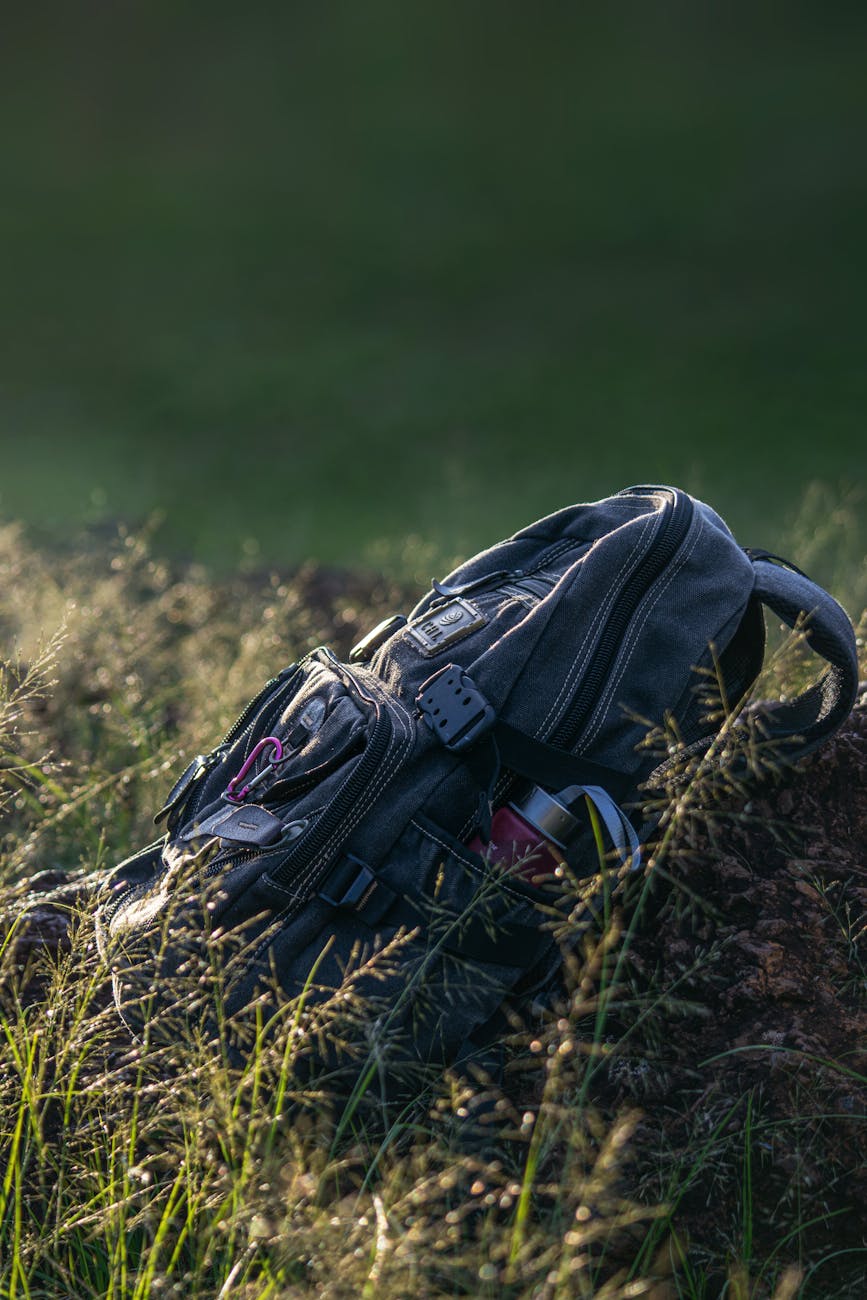
Backpack

A comfortable hunting backpack is worth every penny. It doesn’t have to be giant, but it should carry water, layers, safety gear, snacks, and your kill kit comfortably.

Look for:

  • Quiet material
  • Lightweight design
  • Waist strap
  • Enough room for extra layers

You’ll appreciate a good pack after a few miles walking through palmettos, pines, swamps, or hardwoods.


Navigation Tools

Public land can get confusing fast, especially before daylight.

Bring:

  • Fully charged phone
  • Hunting app with downloaded offline maps
  • Portable battery pack
  • Compass as backup

Apps like onX or HuntStand make life easier, but electronics can fail. A simple compass still matters.


Water

This sounds obvious, but a surprising number of hunters underestimate hydration — especially in North Florida and South Georgia heat.

Bring more water than you think you need.

Early season public land hunts can feel more like hiking trips than hunting trips. Dehydration will ruin your hunt faster than almost anything else.


Lightweight Snacks

You don’t need a full camp kitchen in your backpack.

Good options:

  • Jerky
  • Trail mix
  • Protein bars
  • Peanut butter crackers
  • Electrolyte packets

Simple calories go a long way during all-day sits or long scouting missions.


Headlamp

A quality headlamp is mandatory.

Bring:

  • Extra batteries
  • Red or green light mode if possible

Most public land movement happens in the dark. Having both hands free while walking through thick woods or climbing a tree is a game changer.


Knife & Kill Kit

Keep it simple.

Your kill kit should include:

  • Sharp knife
  • Replaceable blades or sharpener
  • Gloves
  • Game bags if needed
  • Zip ties or tagging materials

You do not need an entire butcher shop in your backpack.


Rain Gear

Even if the forecast looks clear, lightweight rain gear is worth packing.

Florida weather changes fast, especially during early season thunderstorms.

A compact rain jacket can also double as a wind blocker on cold mornings.


Extra Layers

Cold fronts in the South can be unpredictable. Dress in layers instead of carrying bulky clothing.

The goal:

  • Stay dry
  • Stay mobile
  • Avoid sweating during long walks

A sweaty hunter gets cold quickly once temperatures drop.


Safety Harness

If you’re climbing a tree, wear one. Every single time.

No deer is worth risking your life.


First Aid Basics

You don’t need a giant medical bag, but you should carry:

  • Bandages
  • Athletic tape
  • Pain reliever
  • Tweezers
  • Blood clotting gauze
  • Bug bite relief

Public land often means long walks back to the truck. Small injuries become big problems fast.


Things You Think You Need (But Probably Don’t)

Every Deer Call Ever Made

A grunt tube and maybe a rattling setup are usually enough.

You probably don’t need:

  • Three grunt calls
  • Multiple bleat cans
  • Four rattling systems
  • A backpack full of gadgets

Most successful public land hunters focus more on woodsmanship than calling.


Giant Backpack

A huge pack encourages overpacking.

If your backpack feels like you’re heading on a three-day camping trip for a morning hunt, you’re carrying too much.

Public land hunting rewards mobility.


Too Many Clothes

A common mistake is dressing for the stand before the walk.

You’ll sweat during the hike in, then freeze once you stop moving.

Dress lighter for the walk and layer up when you get settled.


Scent Elimination Overload

Basic scent control matters. Wind direction matters more.

You probably do not need:

  • Six different sprays
  • Ozone generators
  • Entire bags dedicated to scent products

Playing the wind and accessing spots carefully is usually more important.


Excessive Camera Gear

Unless you’re specifically filming content, keep cameras minimal.

Public land already requires carrying enough gear. Extra tripods, lenses, batteries, and mounts add weight quickly.

Sometimes it’s better to simply enjoy the hunt.


Massive Tool Kits

You don’t need:

  • Five saws
  • Multiple hatchets
  • Full socket sets
  • Enough gear to build a treehouse

A small folding saw is usually more than enough.


Too Much Technology

Technology helps, but don’t become dependent on it.

Some hunters spend more time staring at maps and wind apps than actually learning the woods.

Boots on the ground still wins.


Final Thoughts

The best public land hunters are usually the most adaptable hunters. They move efficiently, scout hard, hunt smart, and avoid carrying unnecessary weight into the woods.

Experience eventually teaches you the same lesson most backpack hunters learn: every ounce matters.

Bring what helps you hunt better. Leave behind what only makes you feel prepared.

At the end of the day, public land success usually comes down to effort, patience, and understanding the land — not how much gear you can strap to your back.

And if you’ve hunted public land long enough, you’ve probably realized something funny:

Half the gear you thought you needed eventually ends up staying in the truck anyway.

Quota Hunt Applications Are Open

Florida Quota Hunt Applications Are Open: Here’s What North Florida Hunters Need to Know

If you plan on hunting Florida public land this season, now is the time to pay attention.

Florida’s quota hunt application periods are opening for the 2026–2027 season, and if you hunt Wildlife Management Areas (WMAs), this process can make the difference between spending fall in a stand—or sitting at home wishing you had applied. Quota permits help manage hunting pressure and provide quality opportunities across public lands throughout the state.

For many North Florida hunters, quota hunts are the gateway to some of the best deer, turkey, hog, and specialty opportunities available on public land.

Whether you’re a seasoned WMA hunter or applying for your first permit, here’s a breakdown of what you need to know.

What Is a Florida Quota Hunt?

Florida uses a quota permit system to control hunter numbers on certain public lands and hunt periods. These permits are used on many WMAs to reduce overcrowding and help wildlife managers maintain healthy game populations.

Not every hunt requires a quota permit, and rules vary by WMA and season, which is why reading the individual area brochure is critical. Community hunters frequently point to brochures as one of the most important tools for understanding access and hunt rules.

For hunters across North Florida, this could include opportunities for:

  • Whitetail deer
  • Turkey
  • Hog hunts
  • Waterfowl
  • Special opportunity hunts
  • Limited-entry public land hunts

How To Apply for Florida Quota Permits

The application process is fairly straightforward once you know where to go.

Step 1: Create or Log Into Your Account

Go to the official Florida licensing portal:

Go Outdoors Florida

Log into your account or create one if you’re a first-time applicant.

Step 2: Select “Apply for Limited Entry / Quota Permits”

Inside your account dashboard, navigate to:

Apply for Limited Entry / Quota Permits

Florida’s limited-entry system handles quota hunts, special opportunity hunts, and other draw-based opportunities.

Step 3: Research Your WMA Before Applying

Before selecting a hunt:

  • Read WMA brochures
  • Study hunt dates
  • Review weapon restrictions
  • Check quota requirements
  • Understand access rules

This is especially important because some North Florida areas have different rules depending on archery, muzzleloader, and general gun periods.

Step 4: Submit Your Choices

Choose your hunt preferences and submit your application before deadlines close.

Application periods open at designated times and close at midnight on the final day of the application period.

A Few Tips From Florida Public Land Hunters

Over time, experienced hunters around the state have learned a few things:

  • Build preference points over time
  • Apply consistently every year
  • Consider less popular dates or hunt periods
  • Read brochures carefully
  • Have backup plans

Many Florida hunters note that some highly sought-after quota hunts can take years of preference points to consistently draw.

North Florida Areas Worth Researching

Depending on where you live, many hunters begin looking at areas around:

  • Suwannee County
  • Big Bend region
  • Osceola area properties
  • North Central Florida WMAs
  • Public lands surrounding Madison and Lake City

The best approach is identifying land within driving distance and learning those properties year after year.

Final Thoughts

Florida’s public land system can feel confusing when you’re first getting started. Between brochures, preference points, quota applications, and different regulations, there’s definitely a learning curve.

But once you understand it, some incredible opportunities open up.

At Timber & Marsh, we’ll continue sharing North Florida hunting updates, public land information, and community discussions to help hunters stay informed.

If you’re applying this year, let us know what areas you’re putting in for and where you’re hoping to spend your fall.

Good luck, and we’ll see you in the woods.

— Timber & Marsh