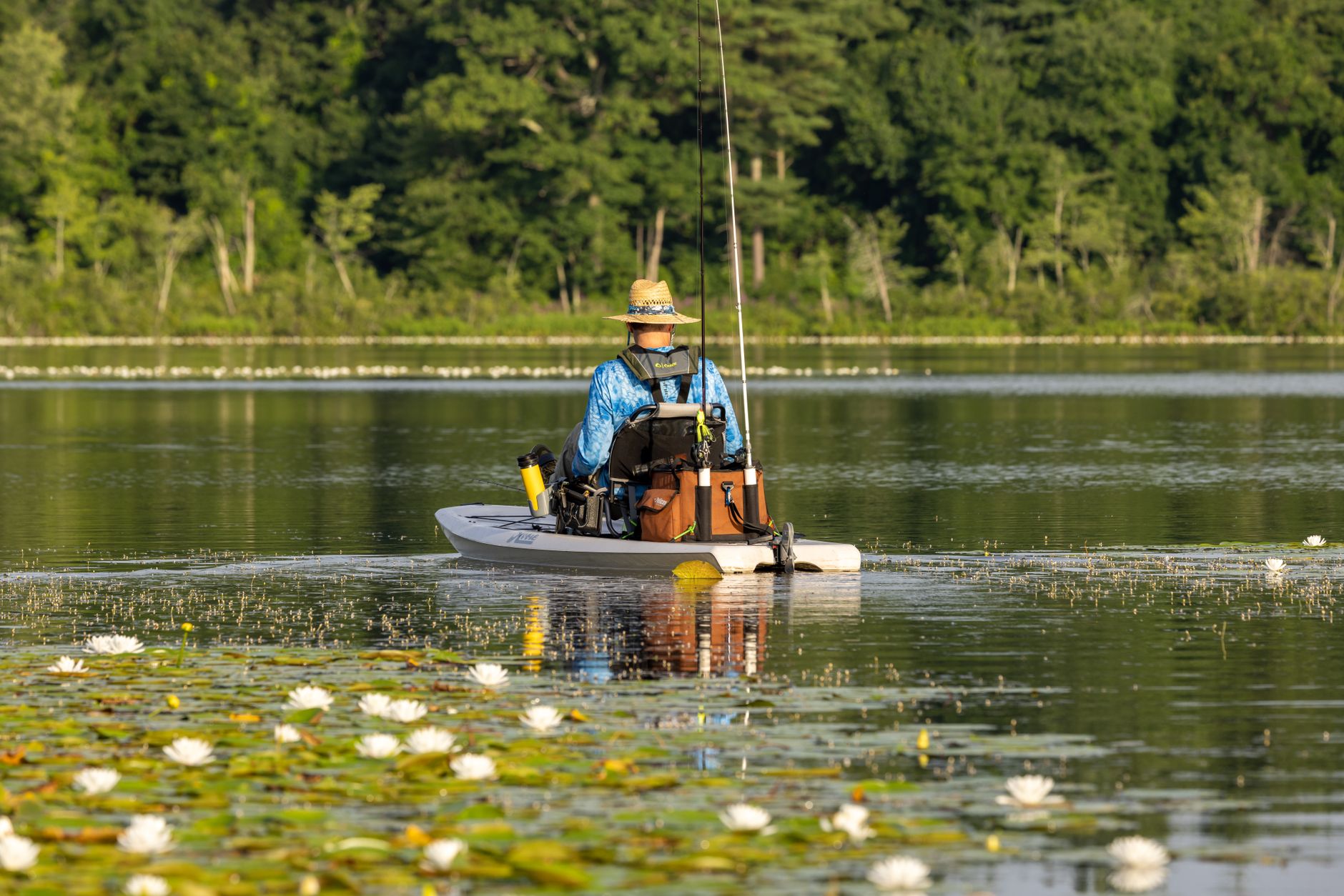
North Florida may be one of the best kayak fishing regions in the entire Southeast. From winding blackwater rivers and hidden spring runs to sprawling salt marshes and grass flats, kayak anglers have access to an incredible variety of fisheries without needing a large boat.
One of the best parts about kayak fishing in North Florida is diversity. In a single weekend, you can target largemouth bass in flooded timber, sight-fish for redfish on shallow grass flats, chase speckled trout in oyster creeks, catch flounder around docks, or even load the cooler with catfish on a river bend.
For this list, we focused on fisheries east of Lake Seminole, north of Ocala, and west of Jacksonville. These are places that offer excellent access, productive fishing, and the kind of scenery that makes North Florida special.
1. Suwannee River
The Suwannee River is probably the ultimate North Florida kayak fishing destination.
This river system offers miles of fishable water with everything from limestone shoals and cypress trees to deep bends and tidal marshes closer to the Gulf. Kayak anglers can target largemouth bass, Suwannee bass, catfish, redfish, flounder, and speckled trout depending on where they launch.
The upper stretches near White Springs and Branford are excellent for bass fishing, while the lower river near Suwannee and Horseshoe Beach becomes a brackish fishery loaded with saltwater species.
Species
- Largemouth bass
- Suwannee bass
- Channel catfish
- Redfish
- Speckled trout
- Flounder
Best Launches
- Branford Boat Ramp
- Fanning Springs
- Suwannee Marina
- Gornto Springs Ramp
Why It’s Great for Kayaks
- Endless shoreline access
- Protected water from wind
- Tons of hidden creeks and backwaters
- Excellent camping opportunities along the river
Local anglers on Reddit often describe the Suwannee system as one of the most unique fisheries in Florida because of its mix of current, springs, limestone structure, and tidal influence.
2. St. Marks & Apalachee Bay
If your goal is saltwater kayak fishing, it’s hard to beat the St. Marks area.
Miles of shallow grass flats, oyster bars, tidal creeks, and protected marshes create ideal habitat for redfish, trout, flounder, and sheepshead. This region is especially popular among kayak anglers because much of the water is too shallow for larger boats.
Spring through fall can offer phenomenal topwater action for trout and redfish.
Species
- Redfish
- Speckled trout
- Flounder
- Sheepshead
- Black drum
Best Launches
- Shields Marina
- St. Marks River Park
- Aucilla River
- Lighthouse Boat Ramp
Why It’s Great for Kayaks
- Vast shallow-water access
- Minimal boat traffic in many areas
- Incredible sight-fishing opportunities
- Beautiful marsh scenery
The Big Bend region also hosts multiple kayak-friendly tournaments throughout the year.
3. Lake Talquin
Lake Talquin near Tallahassee is one of the best kayak bass fisheries in North Florida.
The lake’s standing timber, creek channels, river bends, and offshore structure give kayak anglers access to excellent largemouth bass fishing year-round. Talquin fishes differently than many Florida lakes because of its depth and river influence.
Species
- Largemouth bass
- Crappie
- Catfish
- Hybrid striped bass
Best Launches
- Coe Landing
- Williams Landing
- Fort Braden Ramp
Why It’s Great for Kayaks
- Protected coves and creek arms
- Excellent offshore electronics fishing
- Big bass potential
- Less pressure than many Florida lakes
The Tallahassee area has also become increasingly popular for competitive kayak bass fishing tournaments.
4. Jacksonville Intracoastal & Talbot Island Area
The Jacksonville backwater marsh systems offer some of the best inshore kayak fishing on Florida’s east coast.
Places like Clapboard Creek, Sisters Creek, Fort George River, and the Talbot Island marshes give kayak anglers access to miles of oyster-lined creeks and shallow flats.
Species
- Redfish
- Speckled trout
- Flounder
- Sheepshead
- Black drum
- Tarpon (seasonally)
Best Launches
- Jim King Park
- Little Talbot Island
- Dutton Island Preserve
- Sisters Creek
Why It’s Great for Kayaks
- Endless creek systems
- Protected marshes
- Excellent flood tide fishing
- Strong year-round inshore bite
Jacksonville also has a growing kayak tournament scene, especially for redfish and trout anglers.
5. Ochlockonee River
The Ochlockonee River offers one of the best mixed-species kayak fisheries in North Florida.
This system combines river fishing, tidal creeks, cypress swamps, and marshes into one massive fishery. Anglers can catch largemouth bass far upriver and transition into redfish and trout closer to the bay.
Species
- Largemouth bass
- Redfish
- Speckled trout
- Catfish
- Flounder
Best Launches
- Ochlockonee River State Park
- Mashes Sands
- White Oak Landing
Why It’s Great for Kayaks
- Diverse water types
- Scenic old Florida environment
- Excellent tidal creek fishing
- Minimal fishing pressure
6. Santa Fe River
The Santa Fe River is one of the most beautiful paddle fisheries in Florida.
Spring-fed clear water mixes with tannic sections and creates ideal habitat for bass and panfish. The river also connects to the Suwannee, allowing adventurous anglers to explore huge stretches of fishable water.
Species
- Largemouth bass
- Suwannee bass
- Catfish
- Bluegill
Best Launches
- Rum Island
- Poe Springs
- High Springs Boat Ramp
Why It’s Great for Kayaks
- Crystal-clear spring runs
- Easy floating access
- Excellent camping and paddling
- Beautiful scenery
7. Dead Lakes
The Dead Lakes near Wewahitchka feel tailor-made for kayak anglers.
Cypress trees, shallow backwaters, and hidden pockets create ideal ambush habitat for largemouth bass. The calm water and maze-like layout make it one of the best places in Florida for exploring by kayak.
Species
- Largemouth bass
- Catfish
- Bluegill
- Crappie
Best Launches
- Dead Lakes Park
- Wewahitchka Landing
Why It’s Great for Kayaks
- Calm protected water
- Incredible cypress scenery
- Excellent shallow-water fishing
- Great photography opportunities
8. Cedar Key & Lower Suwannee
Cedar Key and the Lower Suwannee region offer classic Big Bend kayak fishing.
This area combines shallow grass flats, oyster bars, tidal creeks, and hidden marsh ponds. Redfish and trout dominate the fishery, but flounder and sheepshead are also common.
Species
- Redfish
- Speckled trout
- Flounder
- Sheepshead
- Black drum
Best Launches
- Shell Mound
- Cedar Key City Ramp
- Lower Suwannee Refuge
Why It’s Great for Kayaks
- Massive shallow-water access
- Protected marshes
- Sight-fishing opportunities
- Less crowded than many Gulf Coast fisheries
The Nature Coast Challenge has helped make this region a destination for competitive kayak anglers.
9. Wacissa River
The Wacissa River is a hidden gem for kayak anglers who enjoy quiet water and natural beauty.
This spring-fed river has countless side channels, submerged grass, and cypress-lined banks. It’s not known for giant bass, but it offers steady action and incredible scenery.
Species
- Largemouth bass
- Panfish
- Catfish
- Gar
Best Launches
- Wacissa Boat Ramp
Why It’s Great for Kayaks
- No-wake environment
- Crystal-clear water
- Excellent wildlife viewing
- Great beginner kayak fishery
Local paddlers frequently mention the Wacissa as one of the quietest and most scenic rivers in North Florida.
10. Rodman Reservoir
Rodman Reservoir is famous for giant largemouth bass, and kayak anglers can access areas many larger boats avoid.
Fishing heavy hydrilla, flooded timber, and shoreline cover from a kayak gives anglers a stealth advantage that often produces bigger fish.
Species
- Largemouth bass
- Crappie
- Catfish
Best Launches
- Kenwood Landing
- Orange Springs Ramp
Why It’s Great for Kayaks
- Trophy bass potential
- Access to shallow backwaters
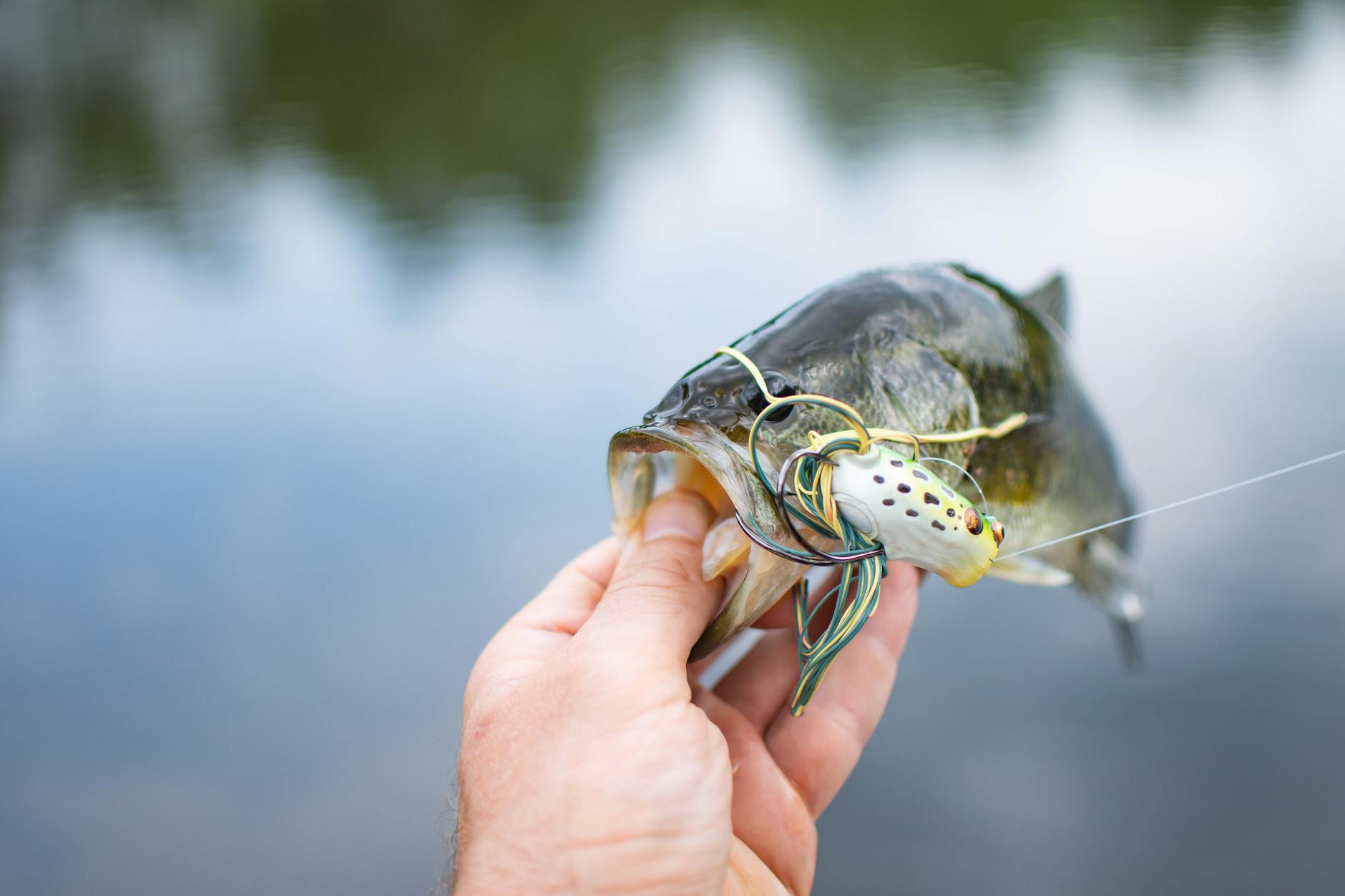
- Excellent flipping and frog fishing
- Legendary Florida bass fishery
Kayak Fishing Tournaments in North Florida
Kayak fishing tournaments continue to grow across North Florida, especially catch-photo-release style events.
Some of the most popular events include:
- Big Bend Kayak Classic
- Nature Coast Challenge
- Inshore Xtreme Kayak Challenge
- HCKAC Tournament Series
- Tallahassee Kayak Adventure Series events
Many of these tournaments target redfish, trout, flounder, and largemouth bass while emphasizing conservation and kayak-only competition formats.
Final Thoughts
North Florida is one of the best kayak fishing regions in the country because of its variety. Few places allow anglers to fish freshwater rivers, tidal marshes, grass flats, cypress swamps, and spring-fed creeks all within a few hours of each other.
Whether you want to chase giant largemouth bass in flooded timber, pole shallow flats for redfish, or spend an entire day exploring untouched creeks and marshes, North Florida has a kayak fishery that fits your style.
The best part is that many of these fisheries still feel wild, uncrowded, and deeply connected to old Florida — something that becomes harder to find every year.
 Timber and Marsh