The Best Native Deer Foods in North Florida (And Where to Find Them)

By Timber & Marsh

When most hunters think about deer hunting, the conversation usually turns toward stands, funnels, wind direction, and rut timing. But one of the biggest keys to consistently finding deer in North Florida starts with understanding one thing:

Where is the food?

Florida’s deer live in a unique landscape of pine flatwoods, hardwood hammocks, swamps, agricultural edges, and river bottoms. Unlike agricultural states where deer can feed on massive soybean or corn fields, North Florida deer often survive by taking advantage of a wide variety of native plants, fruits, nuts, and browse.

Knowing these natural food sources can help you locate deer year-round — especially on public land where deer are not pressured the same way every hunter thinks.

Here are some of the best native deer foods found across North Florida.


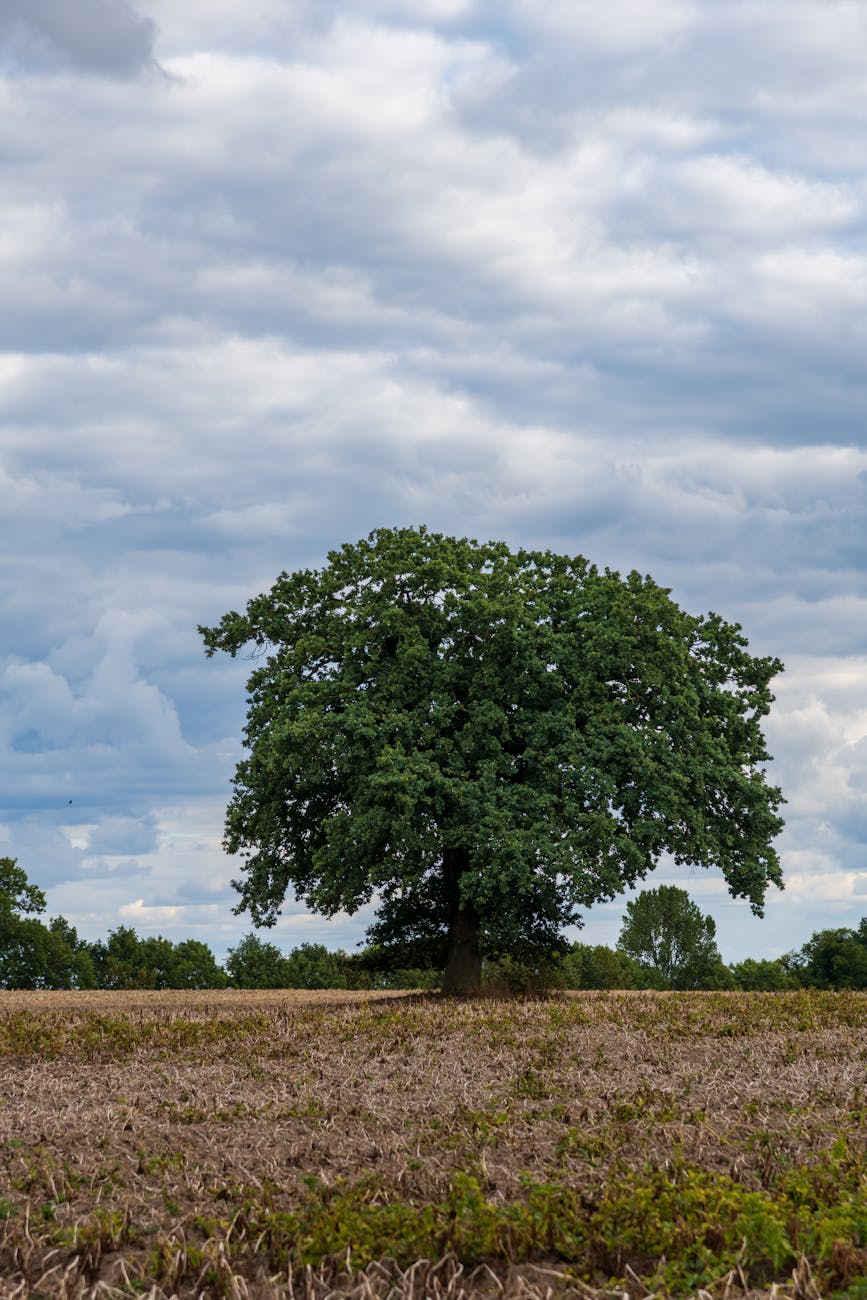
1. Acorns — The King of North Florida Deer Food

If you ask most experienced Florida hunters what food source they want to find, the answer is simple:

White oaks and acorns.

Acorns provide deer with a high-energy food source packed with carbohydrates and fats. When acorns start dropping, deer will often change their patterns overnight.

Some of the best acorn-producing trees in North Florida include:

  • Live oak
  • Water oak
  • Laurel oak
  • Swamp chestnut oak
  • Turkey oak
  • Post oak

Where to find them:

Look for oak hammocks and transition zones:

  • Along creek bottoms
  • Around swamp edges
  • Between pine plantations and hardwood areas
  • Old homestead sites
  • River floodplains

In places like Suwannee County, Lafayette County, Columbia County, and the surrounding Big Bend region, these hardwood pockets can be deer magnets.

A common mistake hunters make is sitting directly under the biggest oak tree. Mature bucks often stage nearby before entering the feeding area, especially during daylight.

Look for:

  • Trails leading into oak flats
  • Fresh droppings
  • Rub lines
  • Scrapes nearby

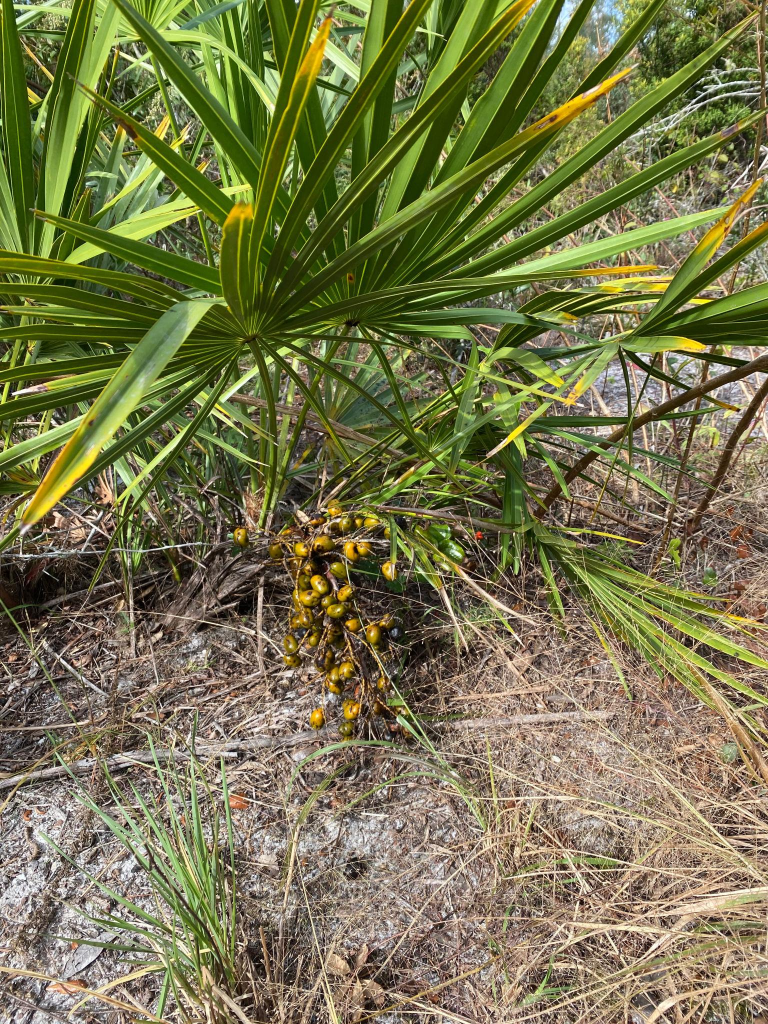
2. Saw Palmetto — The Florida Staple

Saw palmetto is one of the most recognizable plants in Florida, and it plays a huge role in deer habitat.

While many people don’t consider palmetto a “food plot,” deer use it heavily.

They eat:

  • Palmetto berries
  • Young shoots
  • Leaves
  • Associated plants growing underneath

Palmetto also provides incredible bedding cover.

Where to find it:

Some of the best areas include:

  • Pine flatwoods
  • Sandhill habitats
  • Scrub areas
  • Old timberlands

Public hunting areas with large pine ecosystems often have plenty of palmetto.

Look for areas where palmetto meets:

  • Young pines
  • Hardwood drains
  • Wet-weather creeks

Those edges create security and food together.
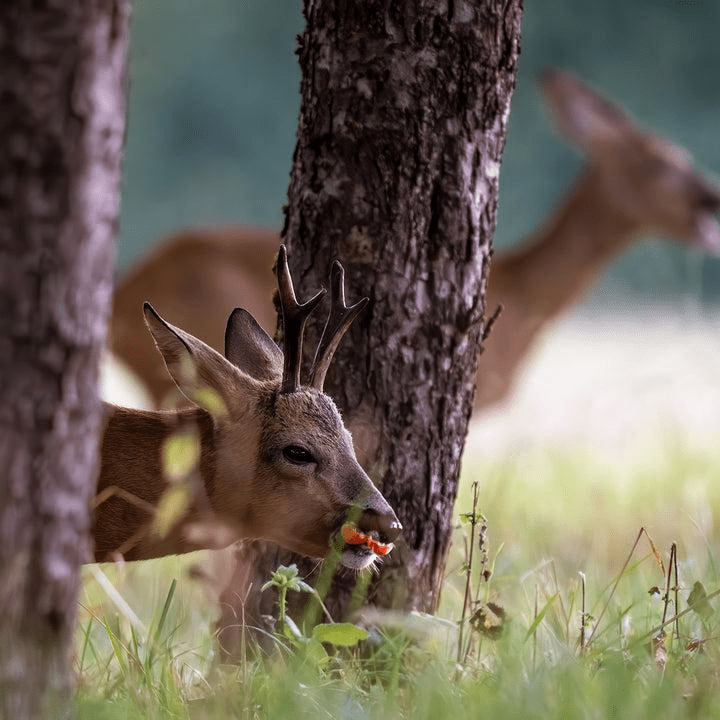

3. Persimmons — The September Deer Magnet

Persimmons are one of the most valuable native fruit trees for North Florida deer.

When they begin dropping, deer often abandon normal feeding patterns to target them.

Persimmons provide:

  • Natural sugar
  • Calories before winter
  • A highly preferred food source

Where to find them:

Persimmons commonly grow around:

  • Old fields
  • Farm edges
  • Fence rows
  • Creek bottoms
  • Abandoned homesteads

One of the best ways to find persimmons is not by looking for the tree — look for deer sign.

Find:

  • Heavy trails
  • Droppings
  • Tracks
  • Torn up ground beneath fruit trees

A single persimmon tree can be a better hunting location than 100 acres of average woods.


4. Mushrooms, Nuts, and Soft Mast

North Florida forests produce a surprising amount of natural deer food.

Deer consume:

  • Mushrooms
  • Wild grapes
  • Blackberries
  • Blueberries
  • Hickory nuts
  • Pecans
  • Various seeds

These foods are especially important during seasonal transitions.

Where to find them:

Look around:

  • Creek crossings
  • Damp hardwood areas
  • Edge habitat
  • Open timber

Areas with a mixture of sun and shade usually produce the most diversity.


5. Native Browse — The Food Deer Eat Every Day

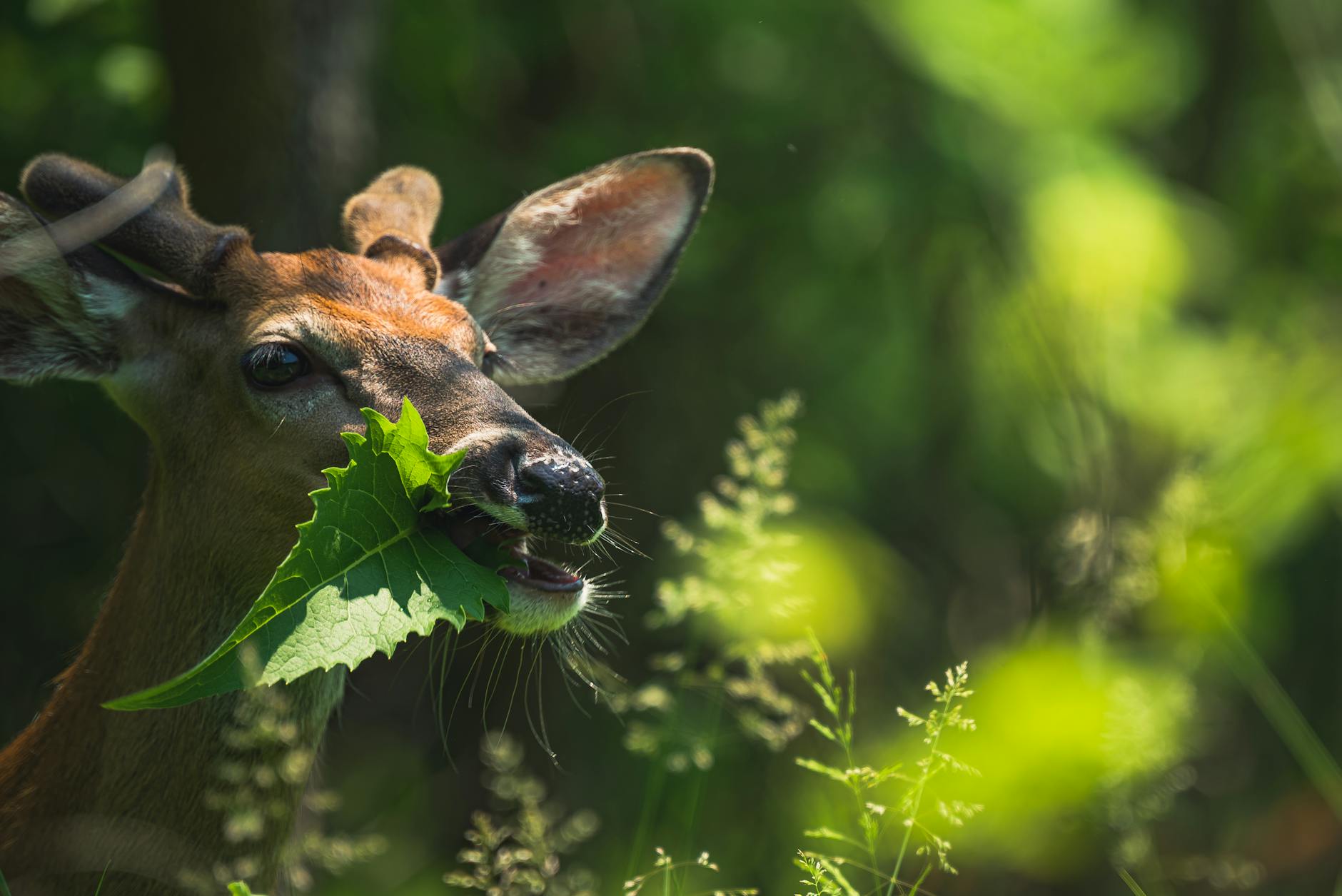
While fruits and acorns get the attention, deer survive on browse.

Browse includes the leaves and stems of woody plants.

Common Florida deer browse includes:

  • Blackberry
  • Greenbrier
  • Honeysuckle
  • Wax myrtle
  • Young oaks
  • Dogwood
  • Maple
  • Various native shrubs

A deer can eat thousands of bites of browse every day.

Where to find good browse:

Look for:

  • Recent timber cuts
  • Fire-managed pine forests
  • Young regrowth areas
  • Clear cuts 1–5 years old

Many hunters walk past these areas because they don’t look like “classic deer woods.”

In reality, young growth can hold deer all year.
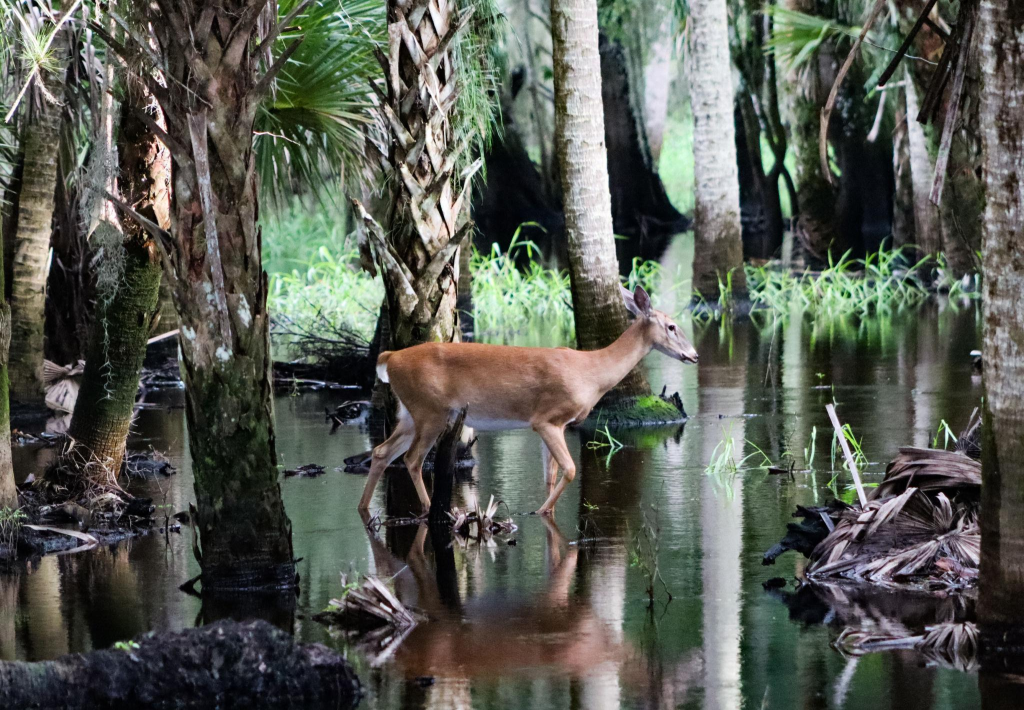

6. Aquatic Plants & Swamp Edges

North Florida is full of wetlands, and deer are extremely comfortable living around them.

Swamp edges provide:

  • Food
  • Water
  • Security
  • Bedding cover

Deer will feed around:

  • Cypress heads
  • Marsh edges
  • Creek bottoms
  • Wet prairie areas

The key is finding the dry ground nearby.

Look for:

  • High spots inside wet areas
  • Trails crossing shallow water
  • Deer tracks entering and exiting wetlands

How To Find Deer Food Before Hunting

Before hanging a stand or setting up a camera, spend time scouting.

Look for:

Feeding Sign

  • Fresh droppings
  • Browsed plants
  • Tracks
  • Torn fruit

Travel Sign

  • Trails
  • Creek crossings
  • Pinch points

Bedding Areas

  • Thick cover
  • Palmetto patches
  • Swamp islands
  • Young pine growth

The best spots usually combine all three:

Food + Cover + Security


Final Thoughts

North Florida deer hunting is different from hunting farmland states. Success comes from learning the land.

A deer doesn’t need a food plot when the woods provide everything it needs.

The hunter who understands native foods will always have an advantage — because deer patterns are built around survival.

Find the food.

Find the deer.

Respect the land.

Timber & Marsh
Hunting • Fishing • Conservation • North Florida Outdoors
The North Florida Fishing Calendar: What to Catch Every Month of the Year

North Florida is a unique place for anglers. Few areas in the country offer the opportunity to chase trophy largemouth bass in a spring-fed river, sight cast redfish on a shallow grass flat, catch speckled trout in the Gulf, and fill a cooler with bluegill or catfish — all in the same weekend.

The key to consistent success is understanding how fish respond to changing water temperatures, weather patterns, tides, and seasonal movements.

This guide breaks down the best species to target throughout the year, where to find them, and the tactics that work.


January: Cold Water Tactics & Big Fish

January fishing in North Florida can be challenging, but it is also a great time to catch some of the biggest fish of the year. Cold fronts push fish into predictable areas, and slower presentations usually produce.

Largemouth Bass

Best Locations:

  • Suwannee River
  • Santa Fe River
  • Rodman Reservoir
  • Lake George

During winter, bass become less aggressive but still need to feed. They often move toward deeper holes, channels, and areas where warmer water enters the system.

Best Tactics:

  • Slowly dragged Texas-rigged worms
  • Jigs
  • Suspending jerkbaits
  • Slow-rolled spinnerbaits

Focus on:

  • Deep bends
  • Creek mouths
  • Spring-fed areas
  • Brush piles

A sunny afternoon after a cold night can create some of the best shallow-water opportunities.


Catfish

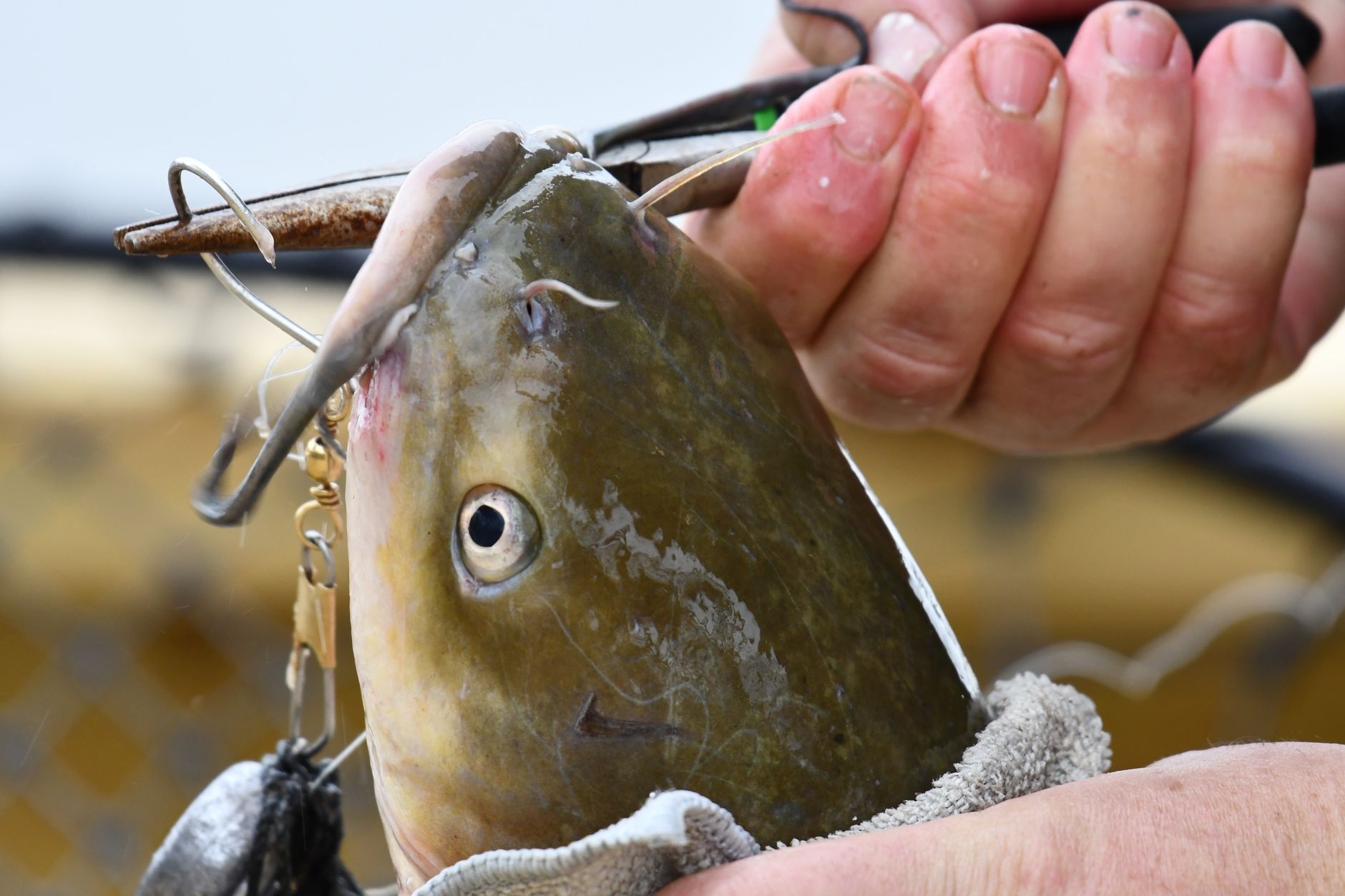
Winter is one of the best times to target big river catfish.

Best Locations:

  • Suwannee River
  • Santa Fe River
  • St. Johns River

Best Tactics:

Anchor near deep holes and use:

  • Cut mullet
  • Shad
  • Live bream
  • Chicken liver

The key is patience. Big cats often feed in short windows.


February: Pre-Spawn Begins

February marks the beginning of one of the most exciting times of year. Bass start preparing for the spawn, and everything starts waking up.

Largemouth Bass

Best Locations:

  • Orange Lake
  • Lake Seminole
  • Suwannee River

Best Tactics:

Bass are moving from deeper water toward spawning areas.

Try:

  • Lipless crankbaits
  • Spinnerbaits
  • Flukes
  • Creature baits

Look for:

  • Hard bottom
  • Vegetation edges
  • Protected coves

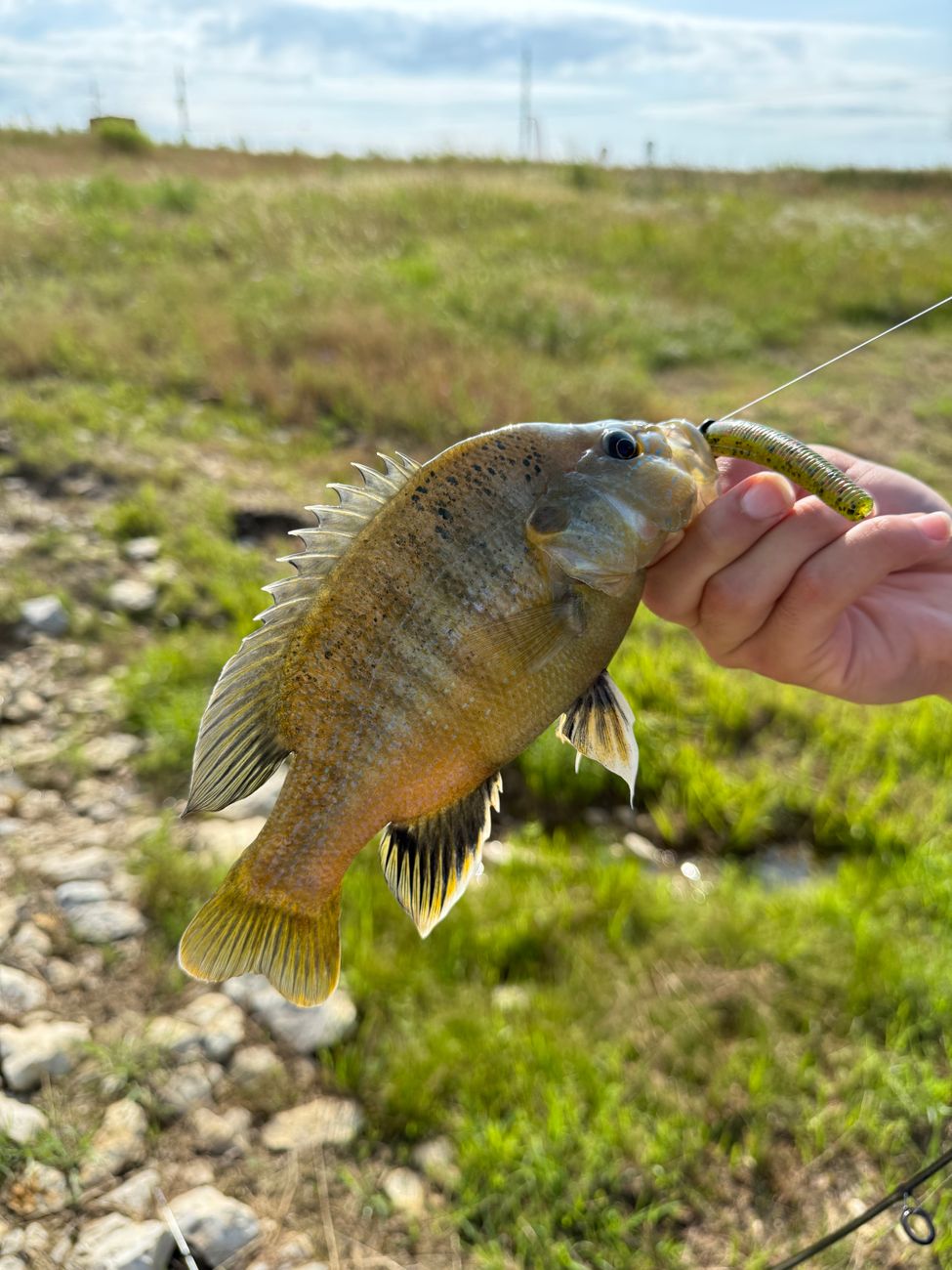
Brim / Shellcracker

Shellcracker begin staging before the spawn.

Best Locations:

  • Santa Fe River
  • Ichetucknee River
  • Suwannee River

Best Tactics:

Use:

  • Red worms
  • Crickets
  • Small jigs

Fish around:

  • Sandy bottoms
  • Fallen trees
  • Shallow vegetation

March – April: The Spawn Explosion

Spring is arguably the best fishing season in North Florida.

Everything is feeding.


Bass Spawn

Best Locations:

  • Rodman Reservoir
  • Lake Santa Fe
  • Suwannee River

Best Tactics:

When fish are shallow:

  • Sight fish with soft plastics
  • Use Senkos
  • Texas-rigged creature baits

After spawning:
Bass recover near:

  • Drop-offs
  • Grass lines
  • Current breaks

This is when topwater fishing starts becoming productive.


Bluegill & Shellcracker

Spring produces some of the biggest panfish of the year.

Best Locations:

  • Suwannee River
  • Santa Fe River
  • Ichetucknee

Best Tactics:

Fish shallow beds using:

  • Crickets
  • Worms
  • Beetle spins

This is one of the best fisheries for getting kids hooked on fishing.


May: Saltwater Season Begins

As water temperatures climb, the Gulf comes alive.


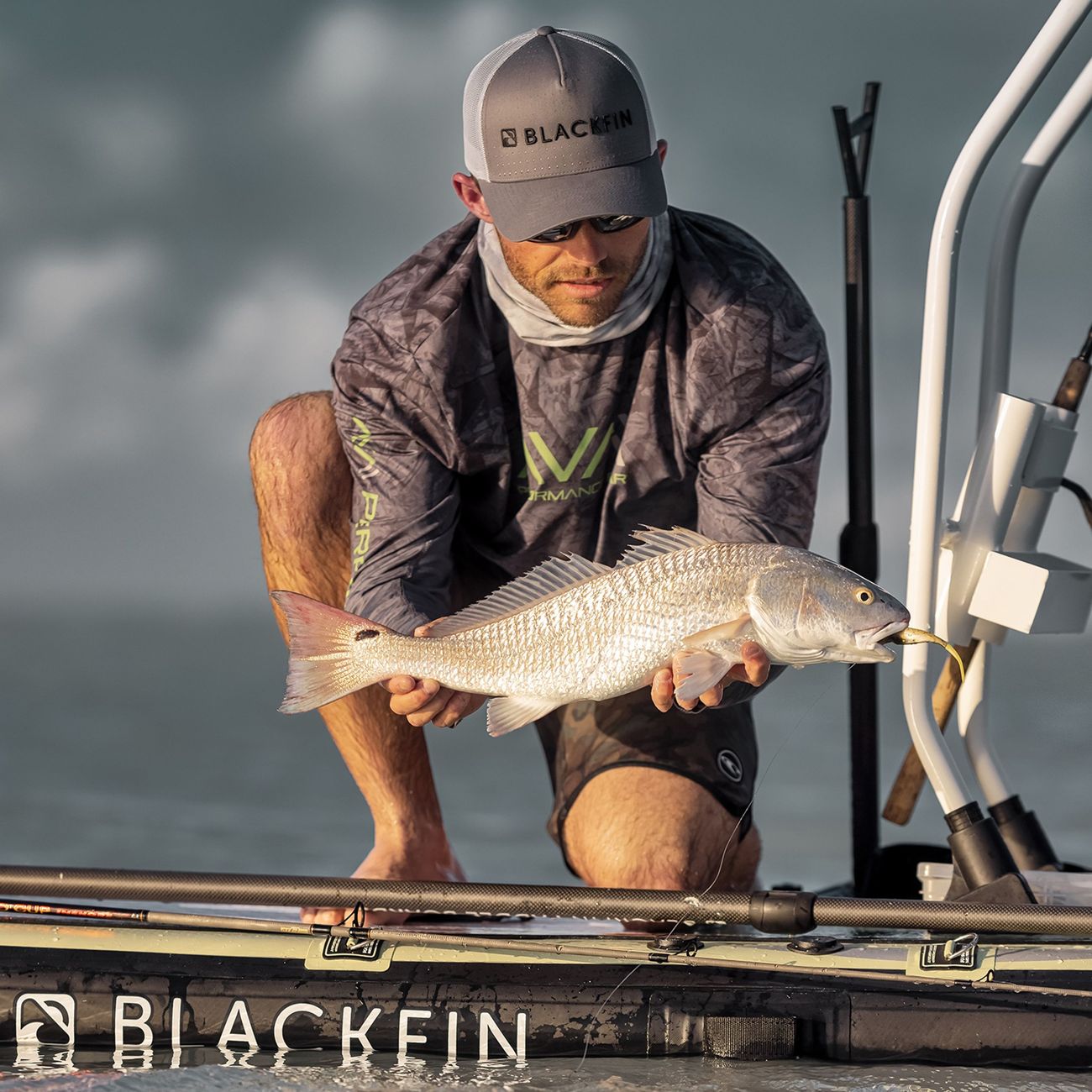
Redfish

Best Locations:

  • Cedar Key
  • Steinhatchee
  • Suwannee River mouth

Redfish begin moving onto flats and feeding aggressively.

Best Tactics:

Look for:

  • Oyster bars
  • Grass flats
  • Creek mouths

Use:

  • Live shrimp
  • Cut mullet
  • Weedless spoons
  • Paddle tails

Incoming tides are often best.


Speckled Trout

Best Locations:

  • Keaton Beach
  • Cedar Key
  • St. Marks

Best Tactics:

Early mornings:

  • Topwater plugs

Throughout the day:

  • Soft plastics
  • Popping cork rigs

Trout love:

  • Moving water
  • Clean grass flats
  • Bait schools

June – July: Summer Fishing & Scallop Season

Summer brings heat, but it also brings some incredible opportunities.


Bay Scallops

Best Locations:

  • Steinhatchee
  • Homosassa
  • Crystal River

Scalloping is one of the most unique North Florida traditions.

Best Tactics:

Sight fishing is the name of the game.

Look for:

  • Clear water
  • Seagrass beds
  • 4-8 feet depth

Bring:

  • Mask
  • Snorkel
  • Dive flag
  • Mesh bag

Photo by Ellie Burgin on Pexels.com

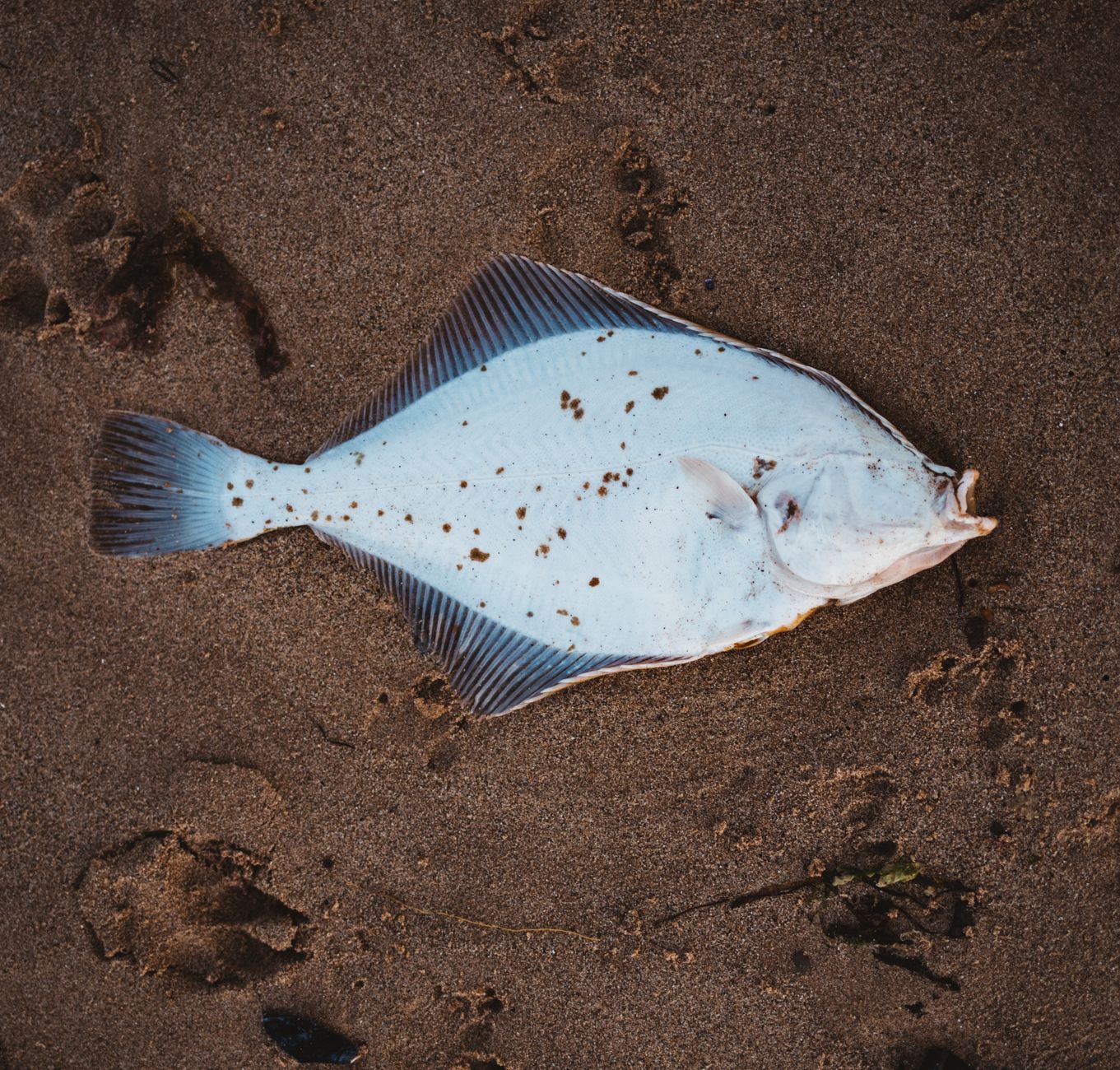
Flounder

Best Locations:

  • Cedar Key
  • Steinhatchee
  • Suwannee River mouth

Flounder are ambush predators.

Best Tactics:

Fish:

  • Sandy holes
  • Oyster edges
  • Creek mouths

Use:

  • Mud minnows
  • Shrimp
  • Paddle tails

Slow presentations work best.


Snook

North Florida snook are a unique opportunity.

Best Locations:

  • Crystal River
  • Suwannee River mouth

Best Tactics:

Target:

  • Warm water outflows
  • Bridges
  • Mangroves

Use:

  • Live shrimp
  • Small mullet
  • Artificial shrimp

August – September: Late Summer Strategy

Heat changes everything.

Fish early and late.


Bass

Best Locations:

  • Rivers
  • Springs
  • Deep lakes

Best Tactics:

Early morning:

  • Frogs
  • Topwater

Daytime:

  • Deep worms
  • Carolina rigs

Redfish

Best Locations:

  • Marsh edges
  • Tidal creeks

Best Tactics:

During extreme heat:

  • Fish moving water
  • Fish early tides

October – November: Fall Feeding Season

Fall is one of the best times to fish North Florida.

Cooler temperatures trigger aggressive feeding.


Trout

Best Locations:

  • Cedar Key
  • Keaton Beach
  • St. Marks

Best Tactics:

Use:

  • Topwaters
  • Twitch baits
  • Soft plastics

Fall trout often feed heavily before winter.


Redfish

Best Locations:

  • Big Bend flats
  • Oyster bars
  • Marsh drains

Best Tactics:

Use:

  • Live mullet
  • Spoons
  • Topwater

This is one of the best times for sight casting.


December: Trophy Season Returns

The cycle starts over.

Cold water brings big opportunities.


Bass

Target:

  • Deep holes
  • Slow current
  • Warm water

Best baits:

  • Jigs
  • Worms
  • Suspending jerkbaits

Photo by Brian Forsyth on Pexels.com

Catfish

Winter remains prime time.

Look for:

  • Deep bends
  • Current seams
  • River holes

Final Thoughts

North Florida is not a seasonal fishing destination — it is a year-round fishery.

The best anglers adapt.

They understand:

  • When fish move
  • Why they move
  • Where they go
  • What presentation works

Whether you are chasing bass on the Suwannee, trout on the Big Bend flats, redfish in the marsh, or introducing a kid to brim fishing, there is always something biting.

Timber & Marsh — connecting North Florida hunters, anglers, and outdoorsmen.

How Weather Changes Deer Movement in Florida

If you’ve spent any time hunting whitetails in Florida, you already know one thing: deer here do not behave like Midwestern deer. Florida’s heat, humidity, flat terrain, and unpredictable weather patterns create a completely different style of hunting. Understanding how weather affects deer movement in the Sunshine State can be the difference between seeing a mature buck on his feet or staring at an empty food plot all afternoon.

From late summer thunderstorms to rare cold fronts, weather plays a major role in how and when Florida deer move. Hunters who learn to adapt to these conditions consistently put themselves in better positions throughout the season.

Late Summer Thunderstorms

Anyone who lives in North Florida knows the routine. Hot mornings turn into towering clouds by mid-afternoon, followed by heavy rain, lightning, and strong winds. These daily thunderstorms heavily influence deer movement during scouting season and early archery season.

Before the Storm

One of the best movement windows in late summer often happens just before a thunderstorm arrives. As barometric pressure begins to change and temperatures slightly cool ahead of rain, deer frequently get on their feet earlier than normal.

Bucks that normally stay buried in thick cover during the heat may briefly move into food plots, browse edges, or shaded oak hammocks before the storm hits. If you notice dark clouds building and winds beginning to shift, it can create a short but productive feeding window.

During Heavy Rain

Florida deer typically bed down during intense thunderstorms. Heavy rain limits visibility, reduces scent detection, and creates uncomfortable conditions for movement. Mature bucks especially tend to stay tucked into thick bedding cover during the worst weather.

However, light rain is a different story. A steady drizzle can actually improve hunting conditions because it softens sound and helps conceal hunter movement.

After the Storm

Immediately after a summer storm passes can be one of the most underrated times to hunt in Florida. Temperatures often drop several degrees, humidity briefly decreases, and deer begin feeding aggressively after sitting tight during the rain.

Fresh browse knocked down by wind and rain also attracts deer to edges and open areas. Evening hunts after a thunderstorm can be surprisingly productive during the early season.

Heat Waves and High Temperatures

Heat is the biggest challenge for Florida deer hunters. Early season temperatures regularly stay in the upper 80s and 90s, and deer movement slows dramatically during extreme heat.

How Deer React to Heat

During heat waves, deer conserve energy by minimizing daytime movement. They focus heavily on survival rather than unnecessary activity. Most movement happens:

  • Very early in the morning
  • During the final minutes of daylight
  • At night

Mature bucks especially become nocturnal during extended hot periods.

Florida deer seek out:

  • Thick shaded cover
  • Swamps and creek bottoms
  • Areas with steady wind
  • Water sources
  • Dense pine plantations
  • Hammocks with cooler ground temperatures

Hunting During Heat Waves

Many hunters give up when temperatures rise, but there are still ways to find success.

Focus on:

  • Water sources
  • Transition areas near bedding cover
  • Small shaded food plots
  • Travel corridors with consistent airflow

Even in extreme heat, deer still need to eat and drink. The key is understanding they simply move less and do it during shorter windows.

Trail cameras become extremely valuable during hot weather because they help identify exact movement times. Sometimes a mature buck may only appear during a 15-minute window right at dark.

Early Season Food Patterns

In hot weather, deer often prioritize high-moisture food sources. Soft mast, persimmons, muscadines, and green browse can sometimes outproduce traditional food plots during the early season.

Hunters who scout natural food sources during late summer often gain a major advantage.

Cold Fronts: Florida’s Best Deer Hunting Weather

Nothing changes deer movement in Florida more than a cold front.

Ask almost any experienced Florida hunter, and they’ll tell you the same thing: when the temperature drops, you need to be in the woods.

Why Cold Fronts Matter

Florida deer spend most of the year dealing with heat stress. Even a small temperature drop of 10 to 15 degrees can dramatically increase activity levels.

Cold fronts create:

  • Increased daytime feeding
  • Longer movement periods
  • More rut activity
  • Greater buck visibility
  • Increased travel between bedding and feeding areas

The first major cold fronts of fall are especially important. Deer that have been mostly nocturnal suddenly begin moving during daylight hours.

Timing the Front

The best hunting often occurs:

  • The evening before the front arrives
  • The first full day after the front
  • The second morning after temperatures drop

Rising movement is often tied to:

  • Falling temperatures
  • Higher barometric pressure
  • Lower humidity
  • Increased comfort for deer

In North Florida, some of the best hunts of the year happen after a hard rain followed by crisp, dry air and northwest winds.

Rut Activity During Cold Fronts

Florida rut timing varies dramatically by region, but cold fronts consistently increase rut movement wherever you hunt.

Bucks become more willing to:

  • Cruise during daylight
  • Check scrape lines
  • Push does
  • Cover larger distances

If a cold front lines up with peak rut activity, it can produce some of the best hunting conditions of the entire season.

Wind and Deer Movement

Wind is one of the most misunderstood factors in deer hunting. Many hunters focus only on scent control, but wind also changes how deer feed, travel, and bed.

Light to Moderate Wind

A steady wind is often beneficial for deer movement. Deer rely heavily on their noses, and consistent wind helps them monitor danger while moving through open areas.

Moderate wind can:

  • Encourage daytime movement
  • Help deer feel secure
  • Increase feeding activity
  • Improve hunter concealment

In Florida’s warm climate, breezy days can also reduce heat stress and insect pressure.

High Wind Conditions

Strong winds are a different story.

When wind becomes excessive, deer movement often slows. Swirling gusts make it difficult for deer to detect predators, and constant noise limits their ability to hear danger.

During high winds, deer typically:

  • Stay closer to bedding cover
  • Move in protected areas
  • Avoid open fields
  • Use creek bottoms and timber edges

If you hunt during windy conditions, focus on sheltered terrain where deer feel more comfortable.

Using Wind to Your Advantage

The best hunters don’t just “hunt the wind” for scent control — they use wind to predict where deer want to travel.

In Florida, deer often prefer:

  • Leeward ridges
  • Protected oak hammocks
  • Timber edges with airflow
  • Areas just inside thick cover

A smart stand setup uses both wind direction and deer comfort zones together.

Final Thoughts

Florida deer hunting is all about adapting. Unlike colder states where deer may move predictably every evening, Florida whitetails react heavily to weather changes.

Hunters who pay attention to:

  • Temperature swings
  • Incoming storms
  • Wind direction
  • Humidity changes
  • Cold fronts

will consistently see more deer throughout the season.

Sometimes the smallest weather shift can completely change deer behavior in North Florida. A ten-degree drop, a passing thunderstorm, or a steady north wind can suddenly turn a slow hunt into an unforgettable evening in the stand.

Learning how weather influences movement won’t guarantee success every trip, but it will absolutely help you spend more time hunting when conditions are in your favor.

And in Florida, timing matters more than almost anything.