What You Actually Need — And What You Probably Don’t
There’s something special about hunting public land. No gates with your name on them, no planted food plots waiting for you, and no guarantees. Just boot leather, scouting, and figuring things out the hard way. That’s what makes success on public land feel earned.
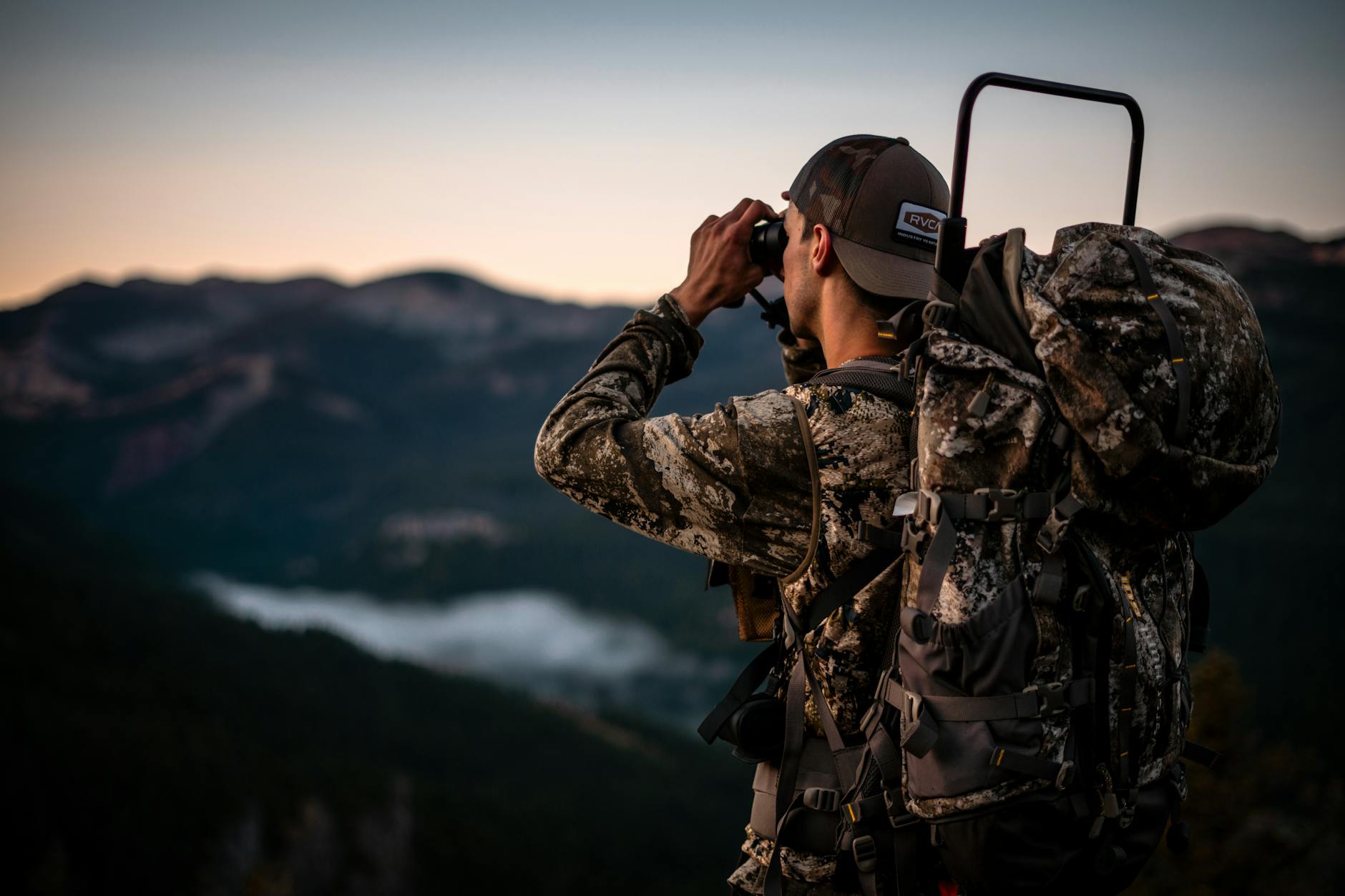
But one mistake a lot of hunters make — especially when first getting into public land hunting — is carrying way too much gear. We’ve all done it. You start packing for every possible scenario and before you know it, your backpack weighs 40 pounds and sounds like a toolbox every time you move.
The truth is, public land hunting is usually better when you stay mobile, simple, and efficient.
Here’s a realistic public land gear checklist with the essentials you should bring, along with a few things many hunters think they need but probably don’t.
The Essentials
Backpack
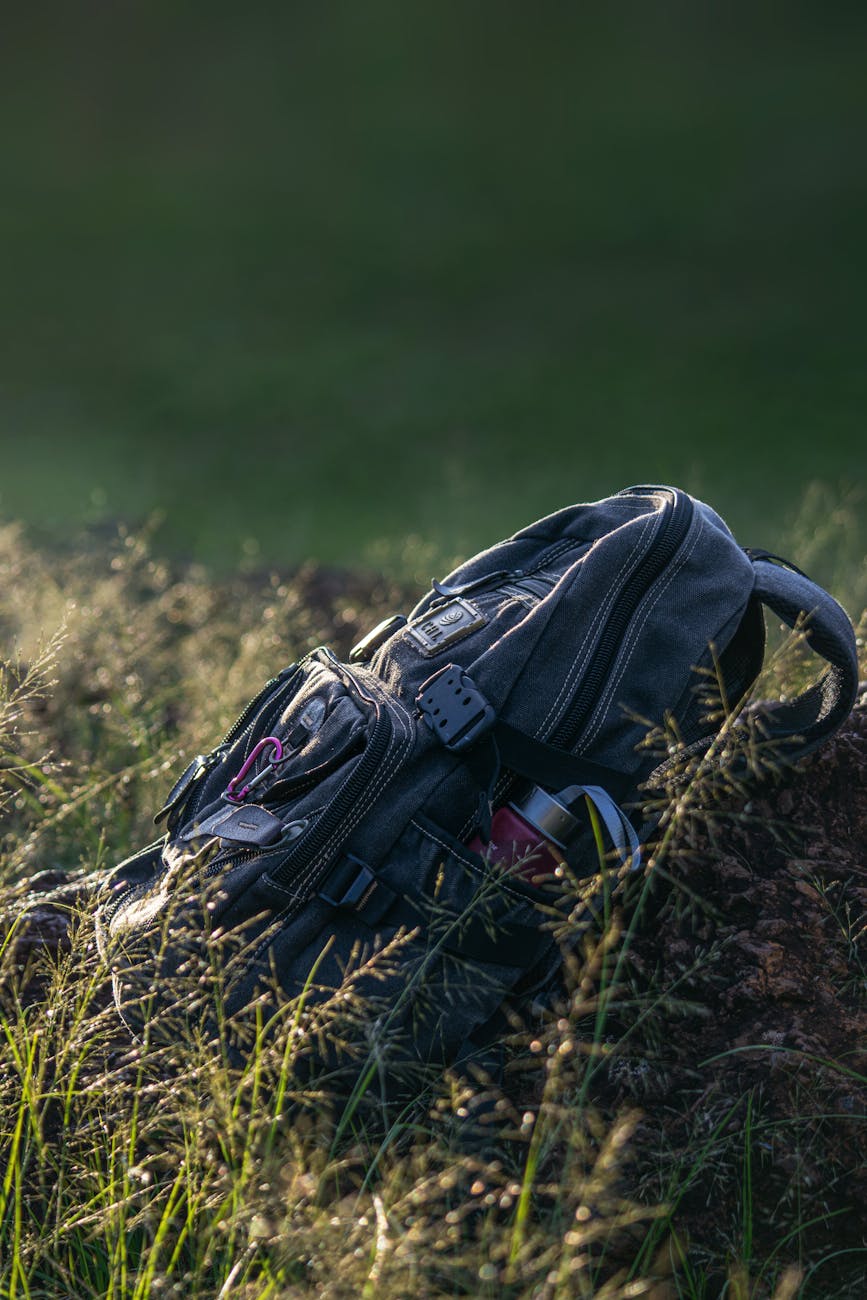
A comfortable hunting backpack is worth every penny. It doesn’t have to be giant, but it should carry water, layers, safety gear, snacks, and your kill kit comfortably.
Look for:
- Quiet material
- Lightweight design
- Waist strap
- Enough room for extra layers
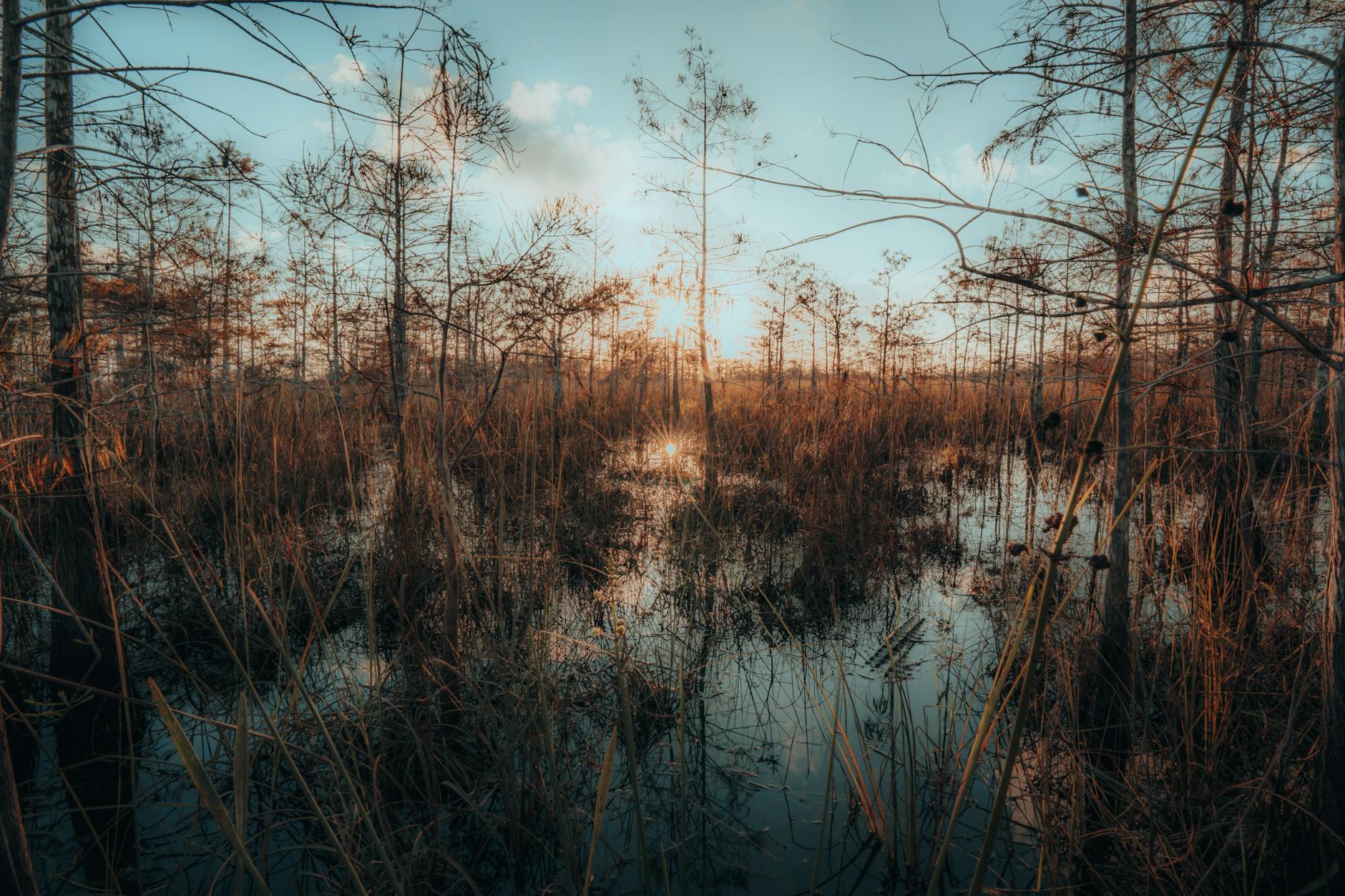
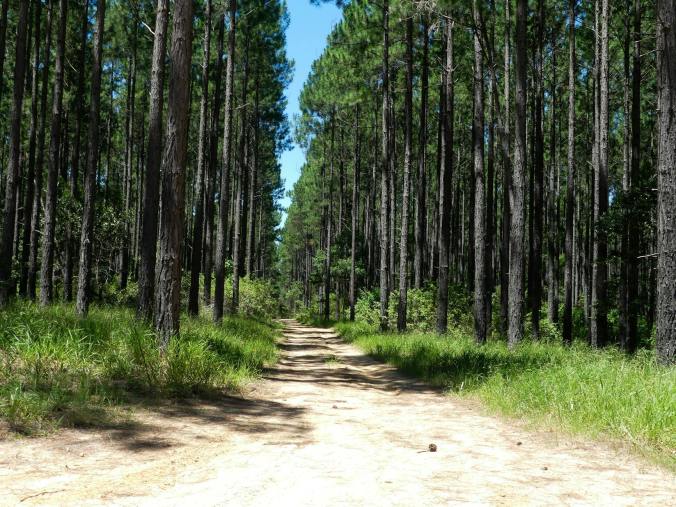
You’ll appreciate a good pack after a few miles walking through palmettos, pines, swamps, or hardwoods.
Navigation Tools
Public land can get confusing fast, especially before daylight.
Bring:
- Fully charged phone
- Hunting app with downloaded offline maps
- Portable battery pack
- Compass as backup
Apps like onX or HuntStand make life easier, but electronics can fail. A simple compass still matters.
Water
This sounds obvious, but a surprising number of hunters underestimate hydration — especially in North Florida and South Georgia heat.
Bring more water than you think you need.
Early season public land hunts can feel more like hiking trips than hunting trips. Dehydration will ruin your hunt faster than almost anything else.
Lightweight Snacks
You don’t need a full camp kitchen in your backpack.
Good options:
- Jerky
- Trail mix
- Protein bars
- Peanut butter crackers
- Electrolyte packets
Simple calories go a long way during all-day sits or long scouting missions.
Headlamp
A quality headlamp is mandatory.
Bring:
- Extra batteries
- Red or green light mode if possible
Most public land movement happens in the dark. Having both hands free while walking through thick woods or climbing a tree is a game changer.
Knife & Kill Kit
Keep it simple.
Your kill kit should include:
- Sharp knife
- Replaceable blades or sharpener
- Gloves
- Game bags if needed
- Zip ties or tagging materials
You do not need an entire butcher shop in your backpack.
Rain Gear
Even if the forecast looks clear, lightweight rain gear is worth packing.
Florida weather changes fast, especially during early season thunderstorms.
A compact rain jacket can also double as a wind blocker on cold mornings.
Extra Layers
Cold fronts in the South can be unpredictable. Dress in layers instead of carrying bulky clothing.
The goal:
- Stay dry
- Stay mobile
- Avoid sweating during long walks
A sweaty hunter gets cold quickly once temperatures drop.
Safety Harness
If you’re climbing a tree, wear one. Every single time.
No deer is worth risking your life.
First Aid Basics
You don’t need a giant medical bag, but you should carry:
- Bandages
- Athletic tape
- Pain reliever
- Tweezers
- Blood clotting gauze
- Bug bite relief
Public land often means long walks back to the truck. Small injuries become big problems fast.
Things You Think You Need (But Probably Don’t)
Every Deer Call Ever Made
A grunt tube and maybe a rattling setup are usually enough.
You probably don’t need:
- Three grunt calls
- Multiple bleat cans
- Four rattling systems
- A backpack full of gadgets
Most successful public land hunters focus more on woodsmanship than calling.
Giant Backpack
A huge pack encourages overpacking.
If your backpack feels like you’re heading on a three-day camping trip for a morning hunt, you’re carrying too much.
Public land hunting rewards mobility.
Too Many Clothes
A common mistake is dressing for the stand before the walk.
You’ll sweat during the hike in, then freeze once you stop moving.
Dress lighter for the walk and layer up when you get settled.
Scent Elimination Overload
Basic scent control matters. Wind direction matters more.
You probably do not need:
- Six different sprays
- Ozone generators
- Entire bags dedicated to scent products
Playing the wind and accessing spots carefully is usually more important.
Excessive Camera Gear
Unless you’re specifically filming content, keep cameras minimal.
Public land already requires carrying enough gear. Extra tripods, lenses, batteries, and mounts add weight quickly.
Sometimes it’s better to simply enjoy the hunt.
Massive Tool Kits
You don’t need:
- Five saws
- Multiple hatchets
- Full socket sets
- Enough gear to build a treehouse
A small folding saw is usually more than enough.
Too Much Technology
Technology helps, but don’t become dependent on it.
Some hunters spend more time staring at maps and wind apps than actually learning the woods.
Boots on the ground still wins.
Final Thoughts
The best public land hunters are usually the most adaptable hunters. They move efficiently, scout hard, hunt smart, and avoid carrying unnecessary weight into the woods.
Experience eventually teaches you the same lesson most backpack hunters learn: every ounce matters.
Bring what helps you hunt better. Leave behind what only makes you feel prepared.
At the end of the day, public land success usually comes down to effort, patience, and understanding the land — not how much gear you can strap to your back.
And if you’ve hunted public land long enough, you’ve probably realized something funny:
Half the gear you thought you needed eventually ends up staying in the truck anyway.