The Best Native Deer Foods in North Florida (And Where to Find Them)

By Timber & Marsh

When most hunters think about deer hunting, the conversation usually turns toward stands, funnels, wind direction, and rut timing. But one of the biggest keys to consistently finding deer in North Florida starts with understanding one thing:

Where is the food?

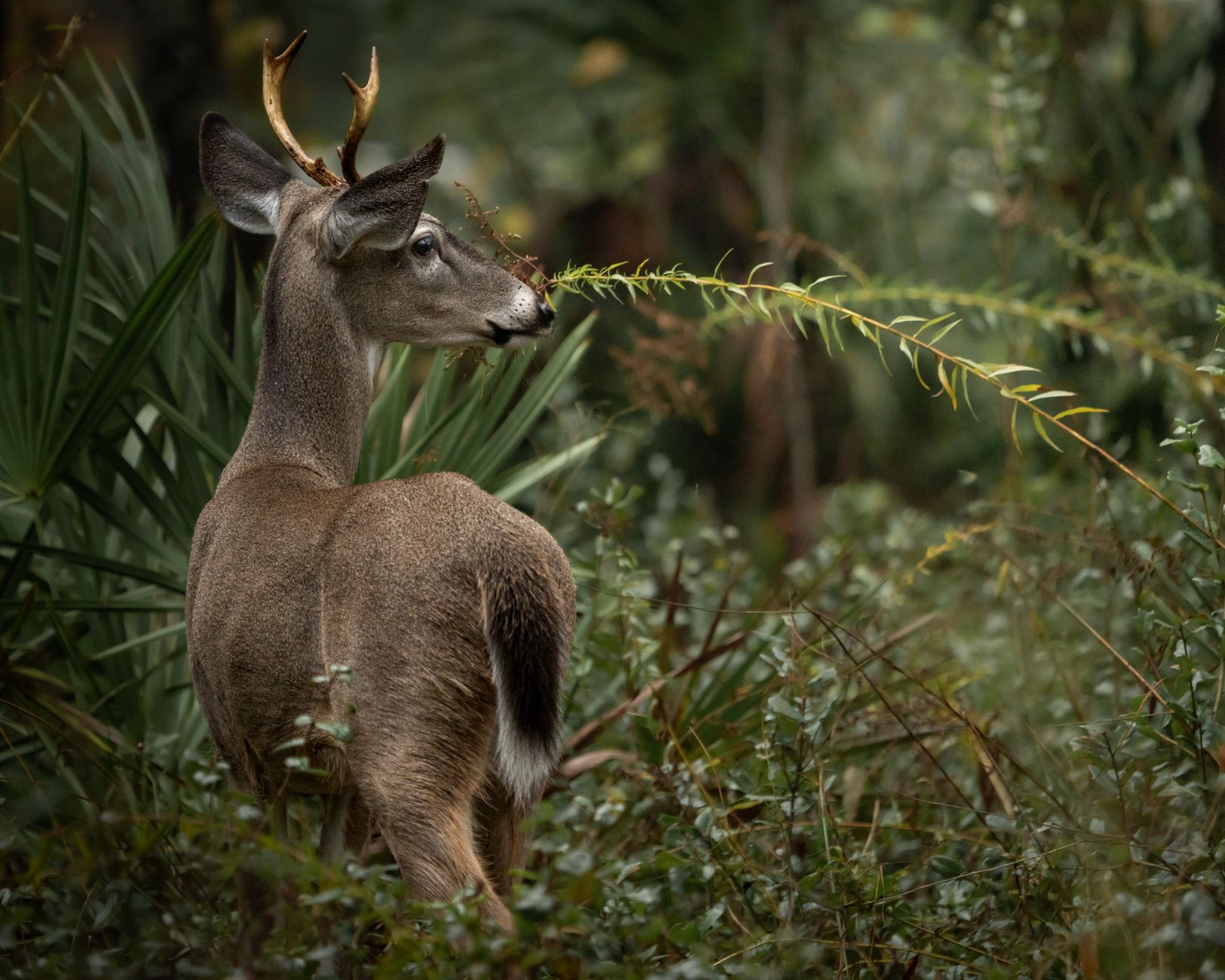
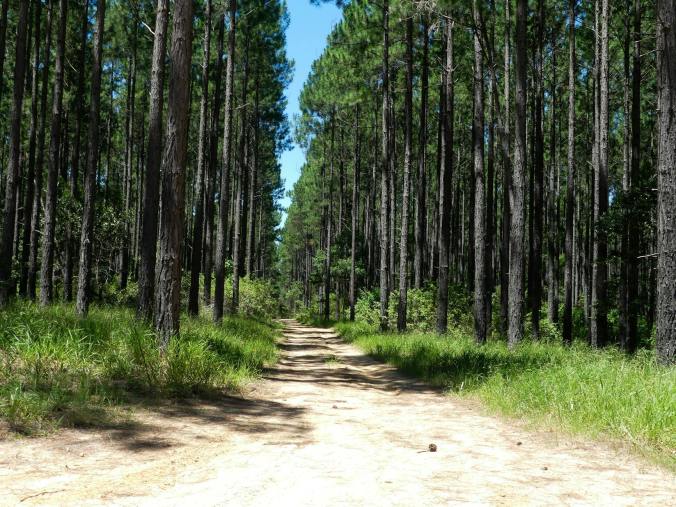
Florida’s deer live in a unique landscape of pine flatwoods, hardwood hammocks, swamps, agricultural edges, and river bottoms. Unlike agricultural states where deer can feed on massive soybean or corn fields, North Florida deer often survive by taking advantage of a wide variety of native plants, fruits, nuts, and browse.

Knowing these natural food sources can help you locate deer year-round — especially on public land where deer are not pressured the same way every hunter thinks.

Here are some of the best native deer foods found across North Florida.


1. Acorns — The King of North Florida Deer Food

If you ask most experienced Florida hunters what food source they want to find, the answer is simple:

White oaks and acorns.

Acorns provide deer with a high-energy food source packed with carbohydrates and fats. When acorns start dropping, deer will often change their patterns overnight.

Some of the best acorn-producing trees in North Florida include:

  • Live oak
  • Water oak
  • Laurel oak
  • Swamp chestnut oak
  • Turkey oak
  • Post oak

Where to find them:

Look for oak hammocks and transition zones:

  • Along creek bottoms
  • Around swamp edges
  • Between pine plantations and hardwood areas
  • Old homestead sites
  • River floodplains

In places like Suwannee County, Lafayette County, Columbia County, and the surrounding Big Bend region, these hardwood pockets can be deer magnets.

A common mistake hunters make is sitting directly under the biggest oak tree. Mature bucks often stage nearby before entering the feeding area, especially during daylight.

Look for:

  • Trails leading into oak flats
  • Fresh droppings
  • Rub lines
  • Scrapes nearby

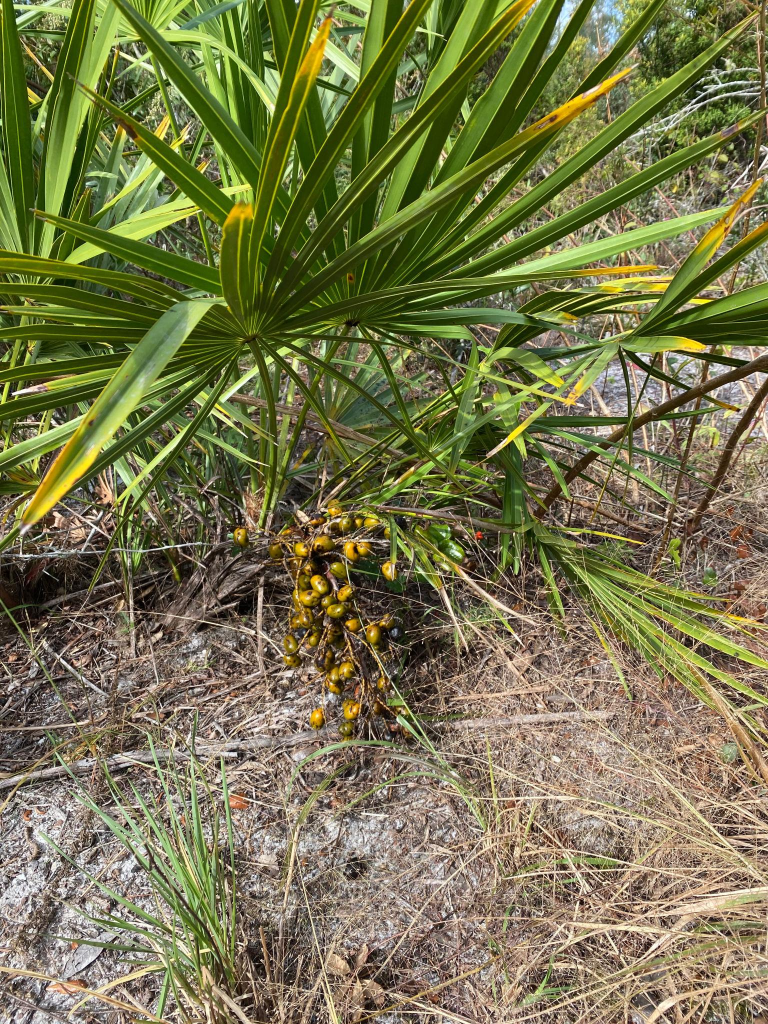
2. Saw Palmetto — The Florida Staple

Saw palmetto is one of the most recognizable plants in Florida, and it plays a huge role in deer habitat.

While many people don’t consider palmetto a “food plot,” deer use it heavily.

They eat:

  • Palmetto berries
  • Young shoots
  • Leaves
  • Associated plants growing underneath

Palmetto also provides incredible bedding cover.

Where to find it:

Some of the best areas include:

  • Pine flatwoods
  • Sandhill habitats
  • Scrub areas
  • Old timberlands

Public hunting areas with large pine ecosystems often have plenty of palmetto.

Look for areas where palmetto meets:

  • Young pines
  • Hardwood drains
  • Wet-weather creeks

Those edges create security and food together.

3. Persimmons — The September Deer Magnet

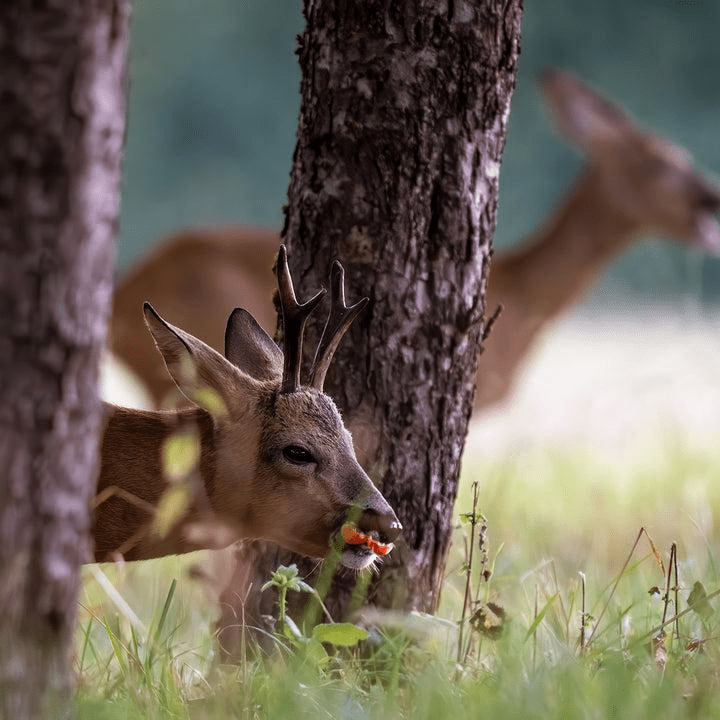
Persimmons are one of the most valuable native fruit trees for North Florida deer.

When they begin dropping, deer often abandon normal feeding patterns to target them.

Persimmons provide:

  • Natural sugar
  • Calories before winter
  • A highly preferred food source

Where to find them:

Persimmons commonly grow around:

  • Old fields
  • Farm edges
  • Fence rows
  • Creek bottoms
  • Abandoned homesteads

One of the best ways to find persimmons is not by looking for the tree — look for deer sign.

Find:

  • Heavy trails
  • Droppings
  • Tracks
  • Torn up ground beneath fruit trees

A single persimmon tree can be a better hunting location than 100 acres of average woods.


4. Mushrooms, Nuts, and Soft Mast

North Florida forests produce a surprising amount of natural deer food.

Deer consume:

  • Mushrooms
  • Wild grapes
  • Blackberries
  • Blueberries
  • Hickory nuts
  • Pecans
  • Various seeds

These foods are especially important during seasonal transitions.

Where to find them:

Look around:

  • Creek crossings
  • Damp hardwood areas
  • Edge habitat
  • Open timber

Areas with a mixture of sun and shade usually produce the most diversity.


5. Native Browse — The Food Deer Eat Every Day

While fruits and acorns get the attention, deer survive on browse.

Browse includes the leaves and stems of woody plants.

Common Florida deer browse includes:

  • Blackberry
  • Greenbrier
  • Honeysuckle
  • Wax myrtle
  • Young oaks
  • Dogwood
  • Maple
  • Various native shrubs

A deer can eat thousands of bites of browse every day.

Where to find good browse:

Look for:

  • Recent timber cuts
  • Fire-managed pine forests
  • Young regrowth areas
  • Clear cuts 1–5 years old

Many hunters walk past these areas because they don’t look like “classic deer woods.”

In reality, young growth can hold deer all year.

6. Aquatic Plants & Swamp Edges

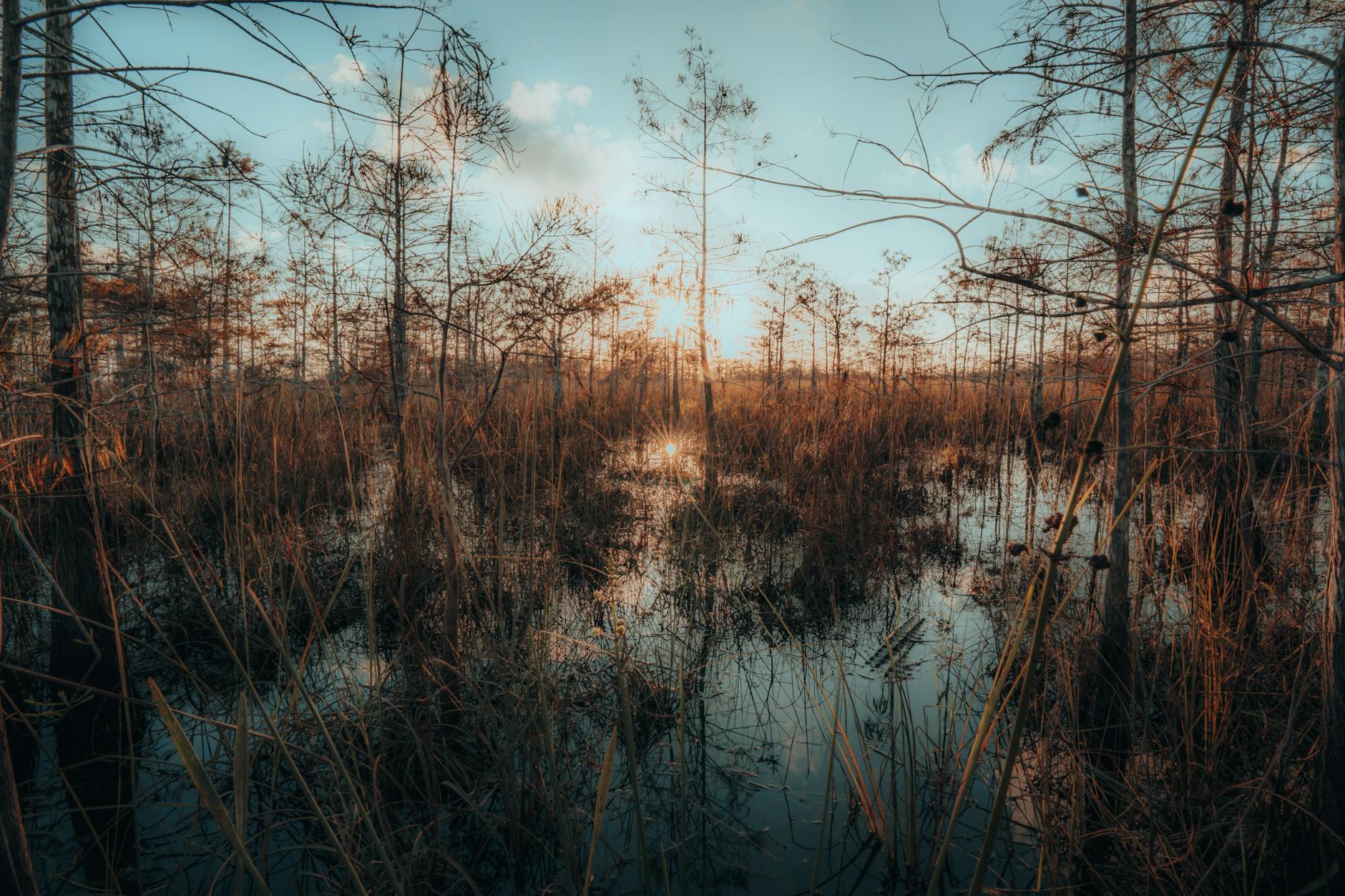
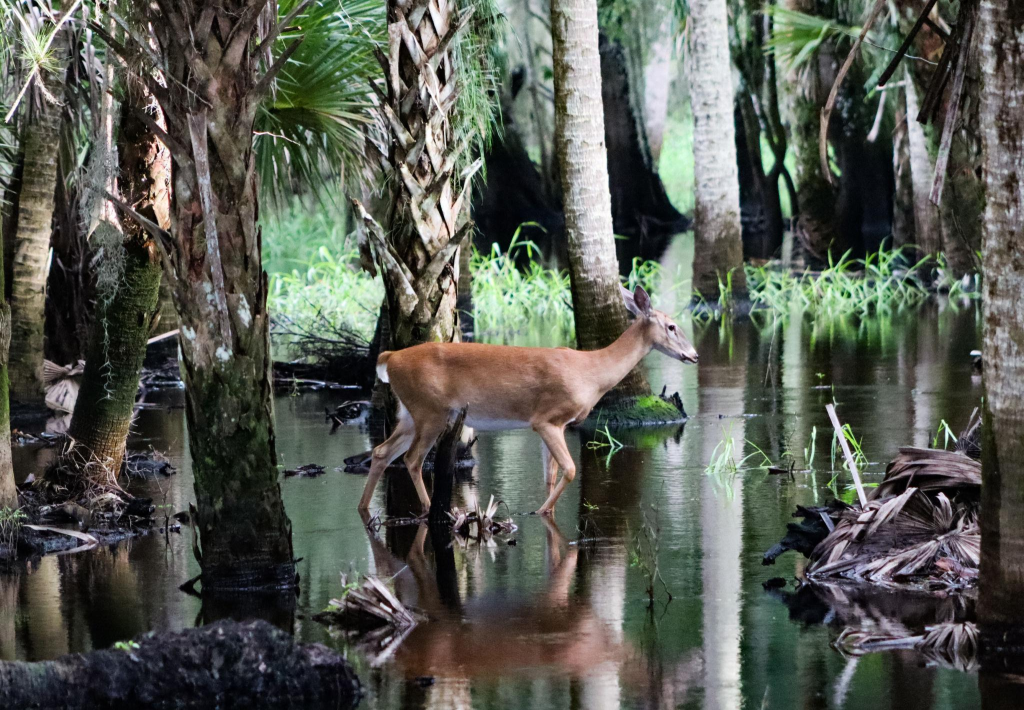
North Florida is full of wetlands, and deer are extremely comfortable living around them.

Swamp edges provide:

  • Food
  • Water
  • Security
  • Bedding cover

Deer will feed around:

  • Cypress heads
  • Marsh edges
  • Creek bottoms
  • Wet prairie areas

The key is finding the dry ground nearby.

Look for:

  • High spots inside wet areas
  • Trails crossing shallow water
  • Deer tracks entering and exiting wetlands

How To Find Deer Food Before Hunting

Before hanging a stand or setting up a camera, spend time scouting.

Look for:

Feeding Sign

  • Fresh droppings
  • Browsed plants
  • Tracks
  • Torn fruit

Travel Sign

  • Trails
  • Creek crossings
  • Pinch points

Bedding Areas

  • Thick cover
  • Palmetto patches
  • Swamp islands
  • Young pine growth

The best spots usually combine all three:

Food + Cover + Security


Final Thoughts

North Florida deer hunting is different from hunting farmland states. Success comes from learning the land.

A deer doesn’t need a food plot when the woods provide everything it needs.

The hunter who understands native foods will always have an advantage — because deer patterns are built around survival.

Find the food.

Find the deer.

Respect the land.

Timber & Marsh
Hunting • Fishing • Conservation • North Florida Outdoors
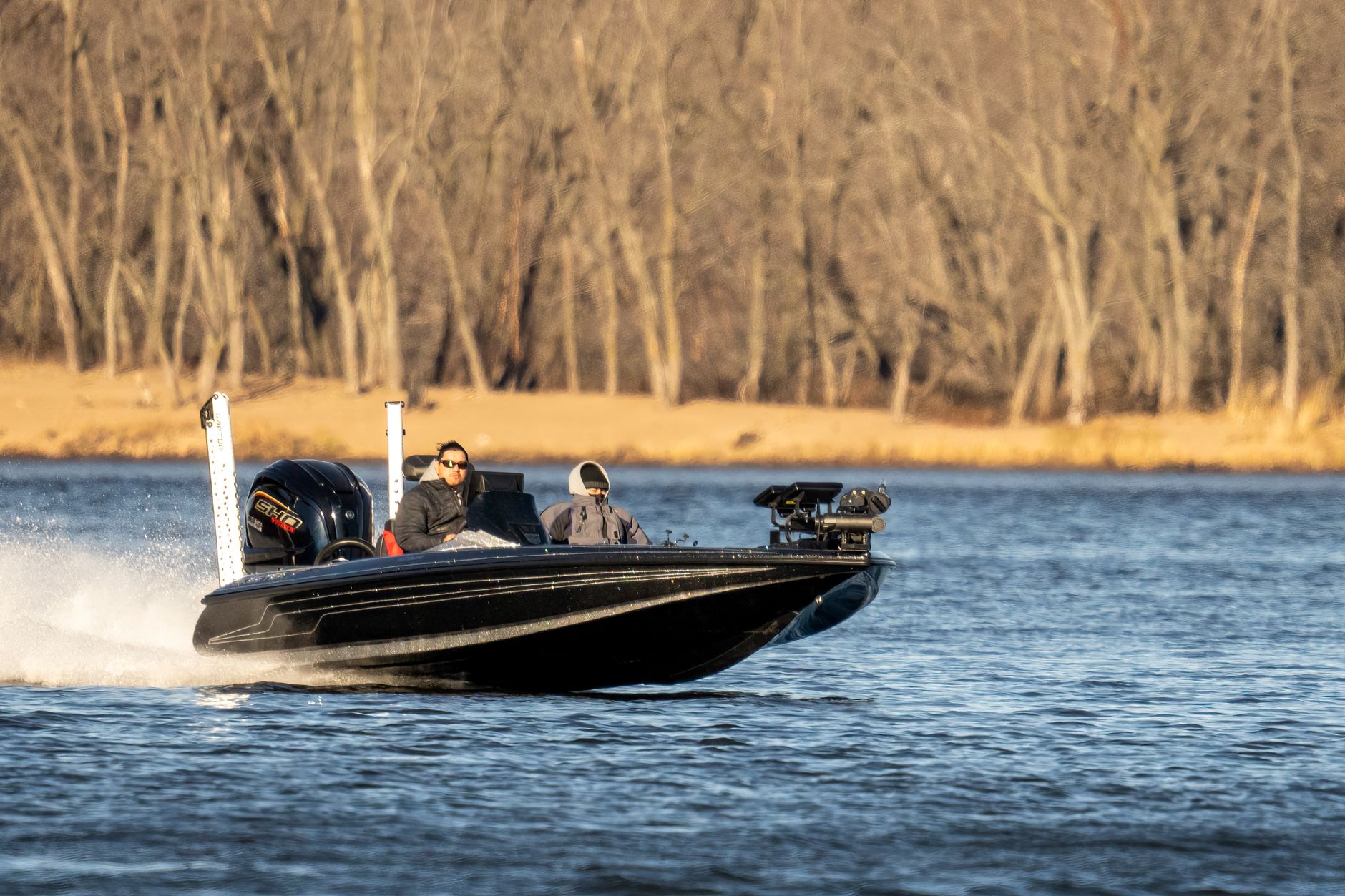
The North Florida Fishing Calendar: What to Catch Every Month of the Year

North Florida is a unique place for anglers. Few areas in the country offer the opportunity to chase trophy largemouth bass in a spring-fed river, sight cast redfish on a shallow grass flat, catch speckled trout in the Gulf, and fill a cooler with bluegill or catfish — all in the same weekend.

The key to consistent success is understanding how fish respond to changing water temperatures, weather patterns, tides, and seasonal movements.

This guide breaks down the best species to target throughout the year, where to find them, and the tactics that work.


January: Cold Water Tactics & Big Fish

January fishing in North Florida can be challenging, but it is also a great time to catch some of the biggest fish of the year. Cold fronts push fish into predictable areas, and slower presentations usually produce.

Largemouth Bass

Best Locations:

  • Suwannee River
  • Santa Fe River
  • Rodman Reservoir
  • Lake George

During winter, bass become less aggressive but still need to feed. They often move toward deeper holes, channels, and areas where warmer water enters the system.

Best Tactics:

  • Slowly dragged Texas-rigged worms
  • Jigs
  • Suspending jerkbaits
  • Slow-rolled spinnerbaits

Focus on:

  • Deep bends
  • Creek mouths
  • Spring-fed areas
  • Brush piles

A sunny afternoon after a cold night can create some of the best shallow-water opportunities.


Catfish

Winter is one of the best times to target big river catfish.

Best Locations:

  • Suwannee River
  • Santa Fe River
  • St. Johns River

Best Tactics:

Anchor near deep holes and use:

  • Cut mullet
  • Shad
  • Live bream
  • Chicken liver

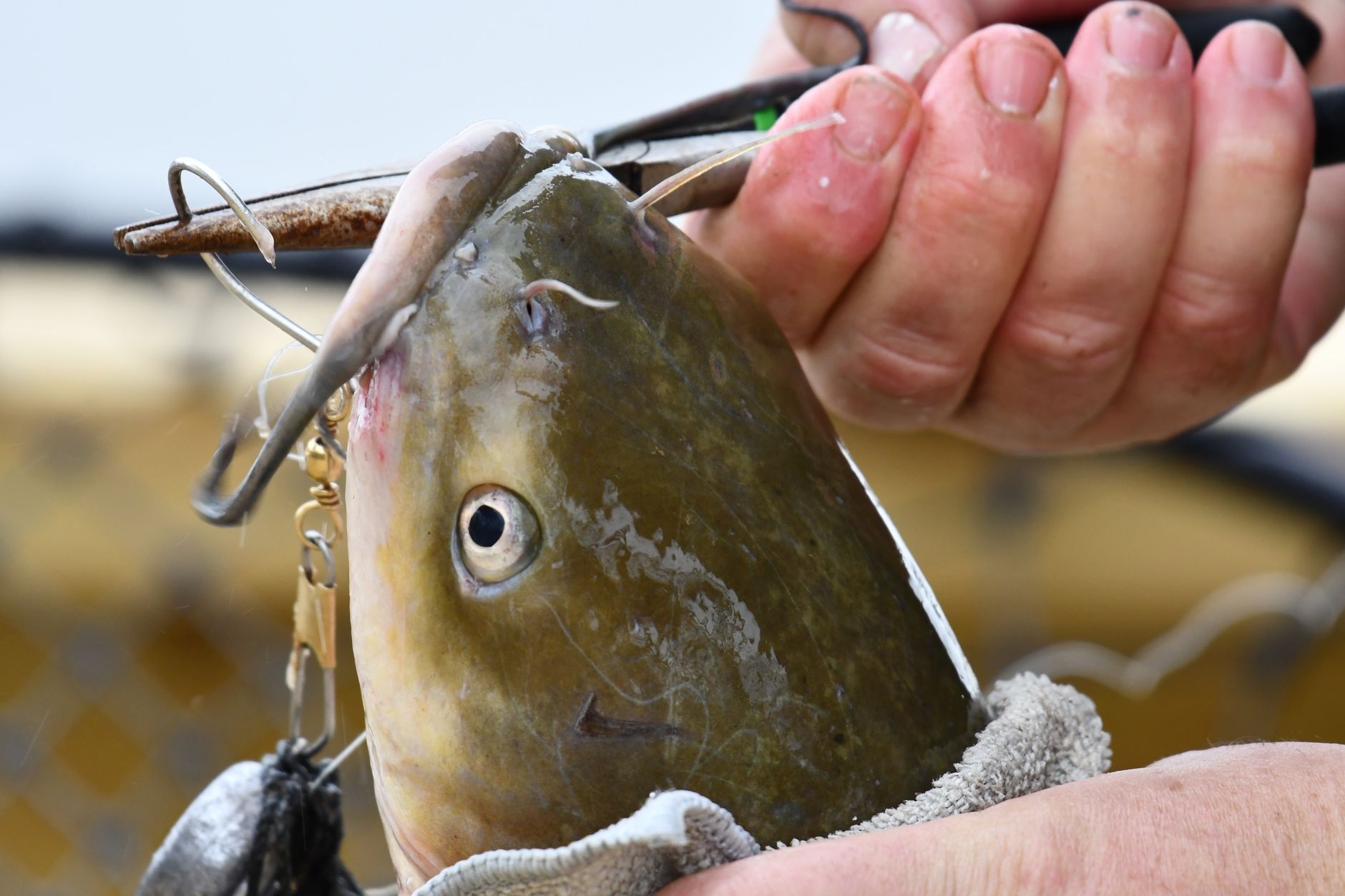
The key is patience. Big cats often feed in short windows.


February: Pre-Spawn Begins

February marks the beginning of one of the most exciting times of year. Bass start preparing for the spawn, and everything starts waking up.

Largemouth Bass

Best Locations:

  • Orange Lake
  • Lake Seminole
  • Suwannee River

Best Tactics:

Bass are moving from deeper water toward spawning areas.

Try:

  • Lipless crankbaits
  • Spinnerbaits
  • Flukes
  • Creature baits

Look for:

  • Hard bottom
  • Vegetation edges
  • Protected coves

Brim / Shellcracker

Shellcracker begin staging before the spawn.

Best Locations:

  • Santa Fe River
  • Ichetucknee River
  • Suwannee River

Best Tactics:

Use:

  • Red worms
  • Crickets
  • Small jigs

Fish around:

  • Sandy bottoms
  • Fallen trees
  • Shallow vegetation

March – April: The Spawn Explosion

Spring is arguably the best fishing season in North Florida.

Everything is feeding.


Bass Spawn

Best Locations:

  • Rodman Reservoir
  • Lake Santa Fe
  • Suwannee River

Best Tactics:

When fish are shallow:

  • Sight fish with soft plastics
  • Use Senkos
  • Texas-rigged creature baits

After spawning:
Bass recover near:

  • Drop-offs
  • Grass lines
  • Current breaks

This is when topwater fishing starts becoming productive.


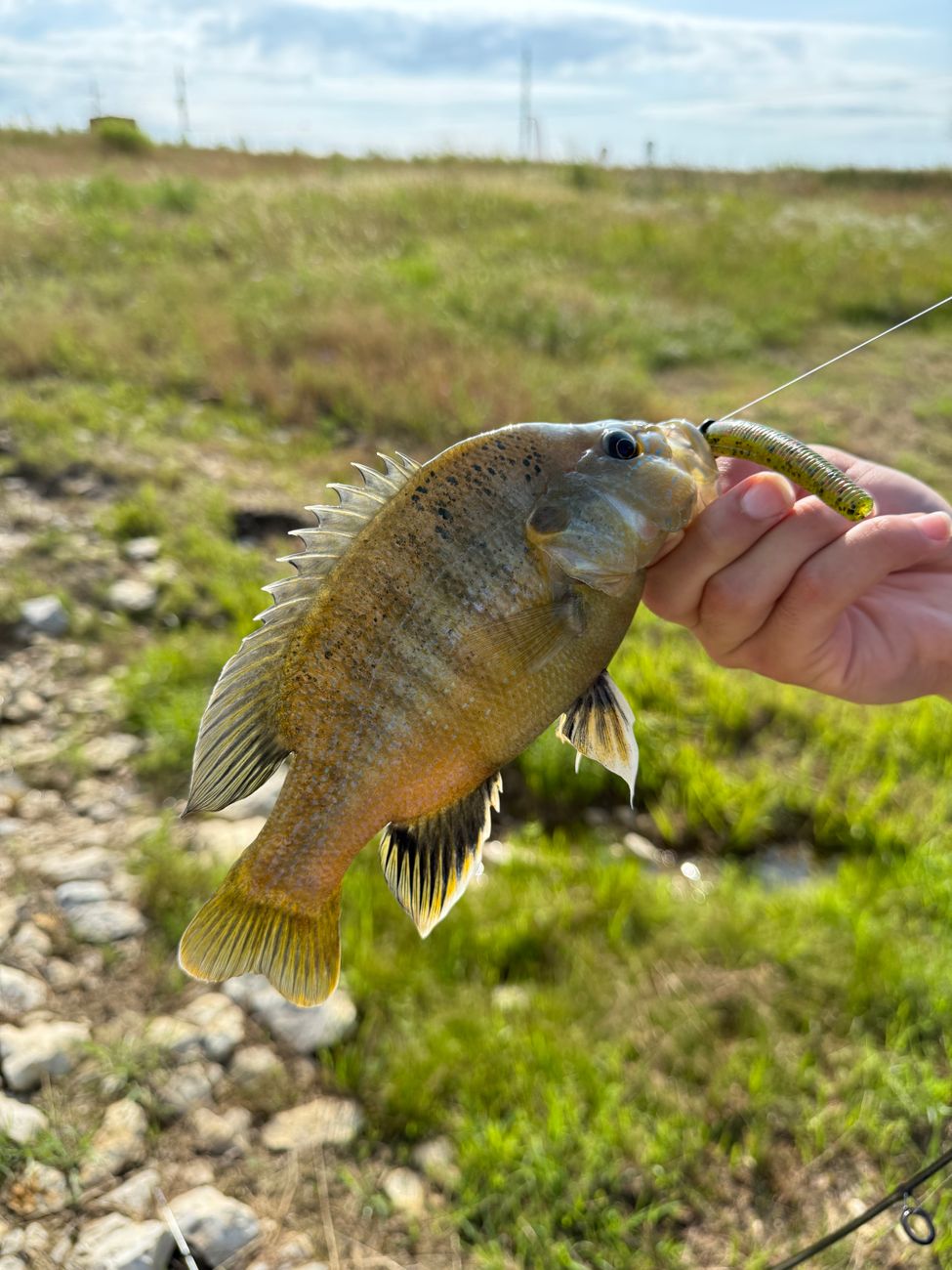
Bluegill & Shellcracker

Spring produces some of the biggest panfish of the year.

Best Locations:

  • Suwannee River
  • Santa Fe River
  • Ichetucknee

Best Tactics:

Fish shallow beds using:

  • Crickets
  • Worms
  • Beetle spins

This is one of the best fisheries for getting kids hooked on fishing.


May: Saltwater Season Begins

As water temperatures climb, the Gulf comes alive.


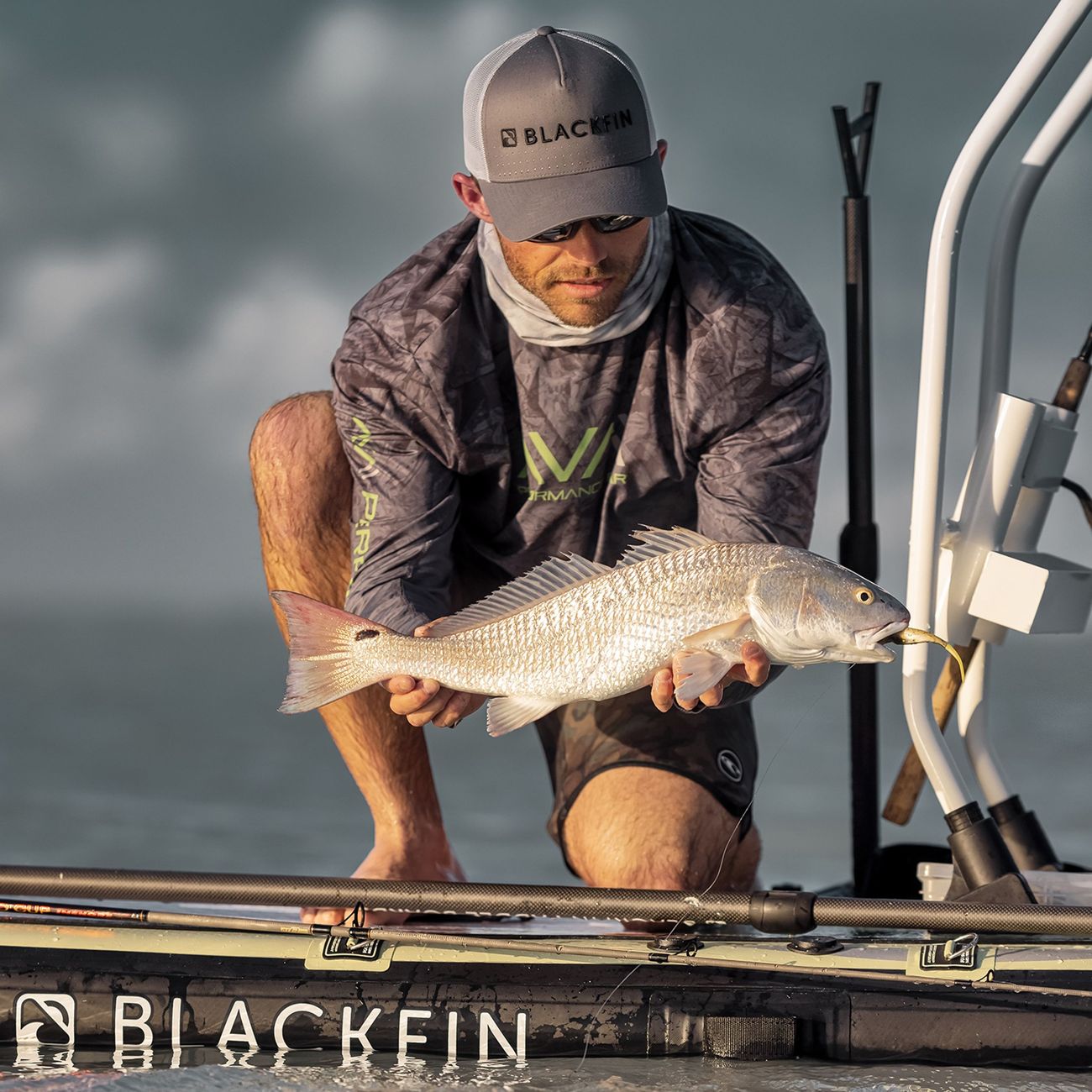
Redfish

Best Locations:

  • Cedar Key
  • Steinhatchee
  • Suwannee River mouth

Redfish begin moving onto flats and feeding aggressively.

Best Tactics:

Look for:

  • Oyster bars
  • Grass flats
  • Creek mouths

Use:

  • Live shrimp
  • Cut mullet
  • Weedless spoons
  • Paddle tails

Incoming tides are often best.


Speckled Trout

Best Locations:

  • Keaton Beach
  • Cedar Key
  • St. Marks

Best Tactics:

Early mornings:

  • Topwater plugs

Throughout the day:

  • Soft plastics
  • Popping cork rigs

Trout love:

  • Moving water
  • Clean grass flats
  • Bait schools

June – July: Summer Fishing & Scallop Season

Summer brings heat, but it also brings some incredible opportunities.


Bay Scallops

Best Locations:

  • Steinhatchee
  • Homosassa
  • Crystal River

Scalloping is one of the most unique North Florida traditions.

Best Tactics:

Sight fishing is the name of the game.

Look for:

  • Clear water
  • Seagrass beds
  • 4-8 feet depth

Bring:

  • Mask
  • Snorkel
  • Dive flag
  • Mesh bag

Photo by Ellie Burgin on Pexels.com

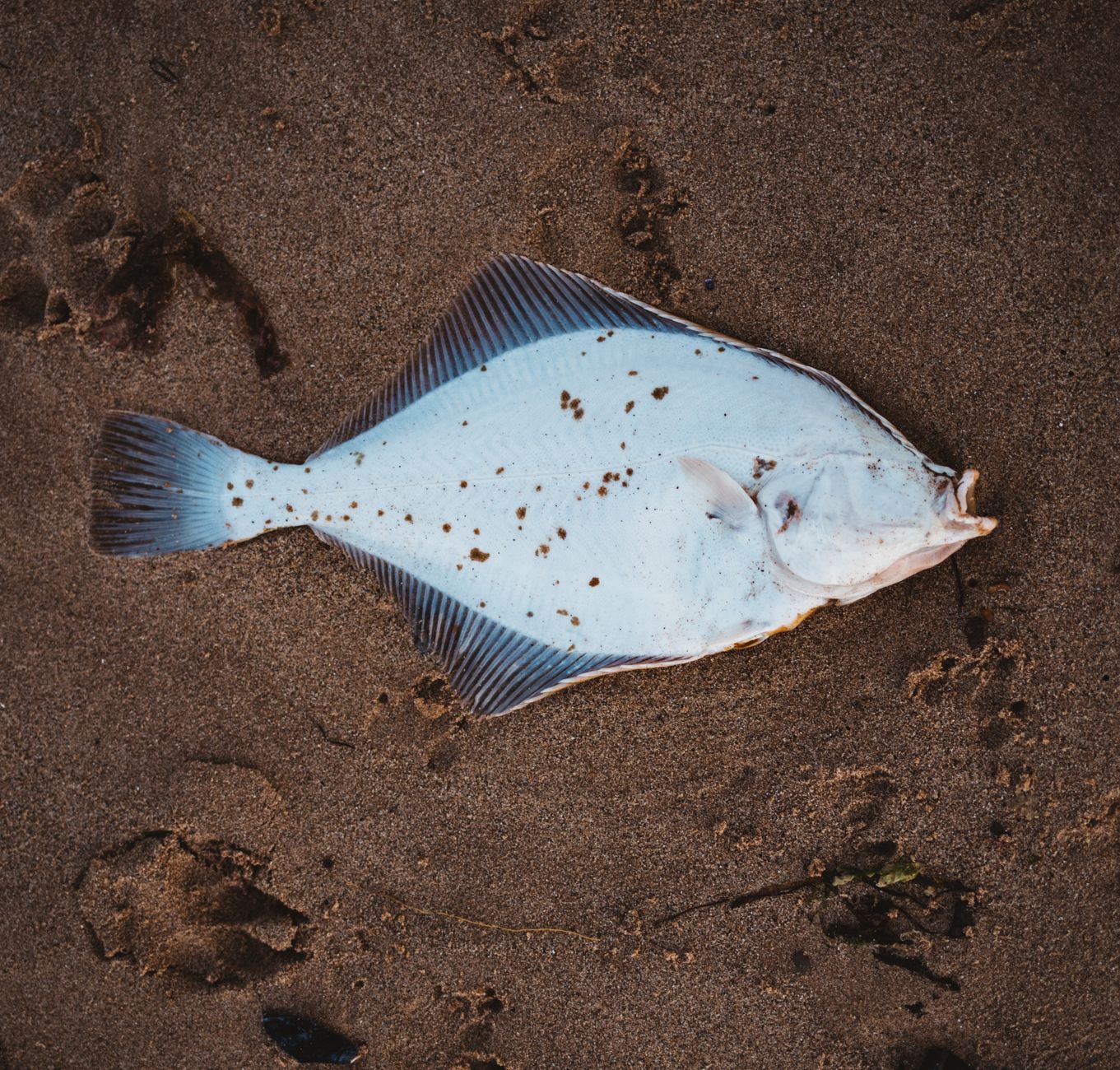
Flounder

Best Locations:

  • Cedar Key
  • Steinhatchee
  • Suwannee River mouth

Flounder are ambush predators.

Best Tactics:

Fish:

  • Sandy holes
  • Oyster edges
  • Creek mouths

Use:

  • Mud minnows
  • Shrimp
  • Paddle tails

Slow presentations work best.


Snook

North Florida snook are a unique opportunity.

Best Locations:

  • Crystal River
  • Suwannee River mouth

Best Tactics:

Target:

  • Warm water outflows
  • Bridges
  • Mangroves

Use:

  • Live shrimp
  • Small mullet
  • Artificial shrimp

August – September: Late Summer Strategy

Heat changes everything.

Fish early and late.


Bass

Best Locations:

  • Rivers
  • Springs
  • Deep lakes

Best Tactics:

Early morning:

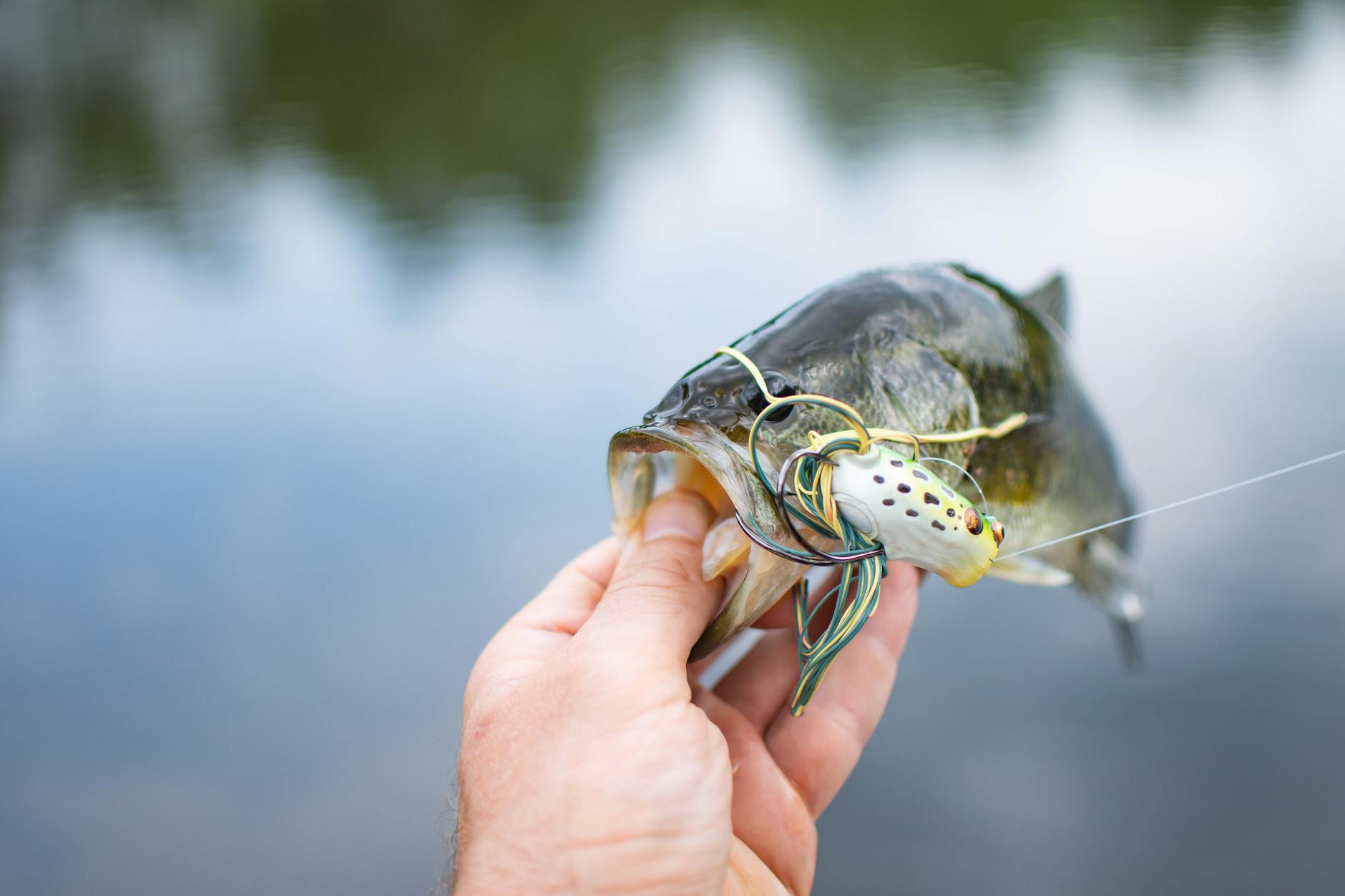
  • Frogs
  • Topwater

Daytime:

  • Deep worms
  • Carolina rigs

Redfish

Best Locations:

  • Marsh edges
  • Tidal creeks

Best Tactics:

During extreme heat:

  • Fish moving water
  • Fish early tides

October – November: Fall Feeding Season

Fall is one of the best times to fish North Florida.

Cooler temperatures trigger aggressive feeding.


Trout

Best Locations:

  • Cedar Key
  • Keaton Beach
  • St. Marks

Best Tactics:

Use:

  • Topwaters
  • Twitch baits
  • Soft plastics

Fall trout often feed heavily before winter.


Redfish

Best Locations:

  • Big Bend flats
  • Oyster bars
  • Marsh drains

Best Tactics:

Use:

  • Live mullet
  • Spoons
  • Topwater

This is one of the best times for sight casting.


December: Trophy Season Returns

The cycle starts over.

Cold water brings big opportunities.


Bass

Target:

  • Deep holes
  • Slow current
  • Warm water

Best baits:

  • Jigs
  • Worms
  • Suspending jerkbaits

Photo by Brian Forsyth on Pexels.com

Catfish

Winter remains prime time.

Look for:

  • Deep bends
  • Current seams
  • River holes

Final Thoughts

North Florida is not a seasonal fishing destination — it is a year-round fishery.

The best anglers adapt.

They understand:

  • When fish move
  • Why they move
  • Where they go
  • What presentation works

Whether you are chasing bass on the Suwannee, trout on the Big Bend flats, redfish in the marsh, or introducing a kid to brim fishing, there is always something biting.

Timber & Marsh — connecting North Florida hunters, anglers, and outdoorsmen.

The 10 Best Kayak Fishing Destinations in North Florida

North Florida may be one of the best kayak fishing regions in the entire Southeast. From winding blackwater rivers and hidden spring runs to sprawling salt marshes and grass flats, kayak anglers have access to an incredible variety of fisheries without needing a large boat.

One of the best parts about kayak fishing in North Florida is diversity. In a single weekend, you can target largemouth bass in flooded timber, sight-fish for redfish on shallow grass flats, chase speckled trout in oyster creeks, catch flounder around docks, or even load the cooler with catfish on a river bend.

For this list, we focused on fisheries east of Lake Seminole, north of Ocala, and west of Jacksonville. These are places that offer excellent access, productive fishing, and the kind of scenery that makes North Florida special.


1. Suwannee River

The Suwannee River is probably the ultimate North Florida kayak fishing destination.

This river system offers miles of fishable water with everything from limestone shoals and cypress trees to deep bends and tidal marshes closer to the Gulf. Kayak anglers can target largemouth bass, Suwannee bass, catfish, redfish, flounder, and speckled trout depending on where they launch.

The upper stretches near White Springs and Branford are excellent for bass fishing, while the lower river near Suwannee and Horseshoe Beach becomes a brackish fishery loaded with saltwater species.

Species

  • Largemouth bass
  • Suwannee bass
  • Channel catfish
  • Redfish
  • Speckled trout
  • Flounder

Best Launches

  • Branford Boat Ramp
  • Fanning Springs
  • Suwannee Marina
  • Gornto Springs Ramp

Why It’s Great for Kayaks

  • Endless shoreline access
  • Protected water from wind
  • Tons of hidden creeks and backwaters
  • Excellent camping opportunities along the river

Local anglers on Reddit often describe the Suwannee system as one of the most unique fisheries in Florida because of its mix of current, springs, limestone structure, and tidal influence.


2. St. Marks & Apalachee Bay

If your goal is saltwater kayak fishing, it’s hard to beat the St. Marks area.

Miles of shallow grass flats, oyster bars, tidal creeks, and protected marshes create ideal habitat for redfish, trout, flounder, and sheepshead. This region is especially popular among kayak anglers because much of the water is too shallow for larger boats.

Spring through fall can offer phenomenal topwater action for trout and redfish.

Species

  • Redfish
  • Speckled trout
  • Flounder
  • Sheepshead
  • Black drum

Best Launches

  • Shields Marina
  • St. Marks River Park
  • Aucilla River
  • Lighthouse Boat Ramp

Why It’s Great for Kayaks

  • Vast shallow-water access
  • Minimal boat traffic in many areas
  • Incredible sight-fishing opportunities
  • Beautiful marsh scenery

The Big Bend region also hosts multiple kayak-friendly tournaments throughout the year.


3. Lake Talquin

Lake Talquin near Tallahassee is one of the best kayak bass fisheries in North Florida.

The lake’s standing timber, creek channels, river bends, and offshore structure give kayak anglers access to excellent largemouth bass fishing year-round. Talquin fishes differently than many Florida lakes because of its depth and river influence.

Species

  • Largemouth bass
  • Crappie
  • Catfish
  • Hybrid striped bass

Best Launches

  • Coe Landing
  • Williams Landing
  • Fort Braden Ramp

Why It’s Great for Kayaks

  • Protected coves and creek arms
  • Excellent offshore electronics fishing
  • Big bass potential
  • Less pressure than many Florida lakes

The Tallahassee area has also become increasingly popular for competitive kayak bass fishing tournaments.


4. Jacksonville Intracoastal & Talbot Island Area

The Jacksonville backwater marsh systems offer some of the best inshore kayak fishing on Florida’s east coast.

Places like Clapboard Creek, Sisters Creek, Fort George River, and the Talbot Island marshes give kayak anglers access to miles of oyster-lined creeks and shallow flats.

Species

  • Redfish
  • Speckled trout
  • Flounder
  • Sheepshead
  • Black drum
  • Tarpon (seasonally)

Best Launches

  • Jim King Park
  • Little Talbot Island
  • Dutton Island Preserve
  • Sisters Creek

Why It’s Great for Kayaks

  • Endless creek systems
  • Protected marshes
  • Excellent flood tide fishing
  • Strong year-round inshore bite

Jacksonville also has a growing kayak tournament scene, especially for redfish and trout anglers.


5. Ochlockonee River

The Ochlockonee River offers one of the best mixed-species kayak fisheries in North Florida.

This system combines river fishing, tidal creeks, cypress swamps, and marshes into one massive fishery. Anglers can catch largemouth bass far upriver and transition into redfish and trout closer to the bay.

Species

  • Largemouth bass
  • Redfish
  • Speckled trout
  • Catfish
  • Flounder

Best Launches

  • Ochlockonee River State Park
  • Mashes Sands
  • White Oak Landing

Why It’s Great for Kayaks

  • Diverse water types
  • Scenic old Florida environment
  • Excellent tidal creek fishing
  • Minimal fishing pressure

6. Santa Fe River

The Santa Fe River is one of the most beautiful paddle fisheries in Florida.

Spring-fed clear water mixes with tannic sections and creates ideal habitat for bass and panfish. The river also connects to the Suwannee, allowing adventurous anglers to explore huge stretches of fishable water.

Species

  • Largemouth bass
  • Suwannee bass
  • Catfish
  • Bluegill

Best Launches

  • Rum Island
  • Poe Springs
  • High Springs Boat Ramp

Why It’s Great for Kayaks

  • Crystal-clear spring runs
  • Easy floating access
  • Excellent camping and paddling
  • Beautiful scenery

7. Dead Lakes

The Dead Lakes near Wewahitchka feel tailor-made for kayak anglers.

Cypress trees, shallow backwaters, and hidden pockets create ideal ambush habitat for largemouth bass. The calm water and maze-like layout make it one of the best places in Florida for exploring by kayak.

Species

  • Largemouth bass
  • Catfish
  • Bluegill
  • Crappie

Best Launches

  • Dead Lakes Park
  • Wewahitchka Landing

Why It’s Great for Kayaks

  • Calm protected water
  • Incredible cypress scenery
  • Excellent shallow-water fishing
  • Great photography opportunities

8. Cedar Key & Lower Suwannee

Cedar Key and the Lower Suwannee region offer classic Big Bend kayak fishing.

This area combines shallow grass flats, oyster bars, tidal creeks, and hidden marsh ponds. Redfish and trout dominate the fishery, but flounder and sheepshead are also common.

Species

  • Redfish
  • Speckled trout
  • Flounder
  • Sheepshead
  • Black drum

Best Launches

  • Shell Mound
  • Cedar Key City Ramp
  • Lower Suwannee Refuge

Why It’s Great for Kayaks

  • Massive shallow-water access
  • Protected marshes
  • Sight-fishing opportunities
  • Less crowded than many Gulf Coast fisheries

The Nature Coast Challenge has helped make this region a destination for competitive kayak anglers.


9. Wacissa River

The Wacissa River is a hidden gem for kayak anglers who enjoy quiet water and natural beauty.

This spring-fed river has countless side channels, submerged grass, and cypress-lined banks. It’s not known for giant bass, but it offers steady action and incredible scenery.

Species

  • Largemouth bass
  • Panfish
  • Catfish
  • Gar

Best Launches

  • Wacissa Boat Ramp

Why It’s Great for Kayaks

  • No-wake environment
  • Crystal-clear water
  • Excellent wildlife viewing
  • Great beginner kayak fishery

Local paddlers frequently mention the Wacissa as one of the quietest and most scenic rivers in North Florida.


10. Rodman Reservoir

Rodman Reservoir is famous for giant largemouth bass, and kayak anglers can access areas many larger boats avoid.

Fishing heavy hydrilla, flooded timber, and shoreline cover from a kayak gives anglers a stealth advantage that often produces bigger fish.

Species

  • Largemouth bass
  • Crappie
  • Catfish

Best Launches

  • Kenwood Landing
  • Orange Springs Ramp

Why It’s Great for Kayaks

  • Trophy bass potential
  • Access to shallow backwaters
  • Excellent flipping and frog fishing
  • Legendary Florida bass fishery

Kayak Fishing Tournaments in North Florida

Kayak fishing tournaments continue to grow across North Florida, especially catch-photo-release style events.

Some of the most popular events include:

  • Big Bend Kayak Classic
  • Nature Coast Challenge
  • Inshore Xtreme Kayak Challenge
  • HCKAC Tournament Series
  • Tallahassee Kayak Adventure Series events

Many of these tournaments target redfish, trout, flounder, and largemouth bass while emphasizing conservation and kayak-only competition formats.


Final Thoughts

North Florida is one of the best kayak fishing regions in the country because of its variety. Few places allow anglers to fish freshwater rivers, tidal marshes, grass flats, cypress swamps, and spring-fed creeks all within a few hours of each other.

Whether you want to chase giant largemouth bass in flooded timber, pole shallow flats for redfish, or spend an entire day exploring untouched creeks and marshes, North Florida has a kayak fishery that fits your style.

The best part is that many of these fisheries still feel wild, uncrowded, and deeply connected to old Florida — something that becomes harder to find every year.

Top 10 Largemouth Bass Fisheries in North Florida

North Florida is one of the most underrated bass fishing regions in the country. While places like Lake Okeechobee and the St. Johns River get most of the national attention, anglers from Panama City Beach to Ocala have access to some incredible largemouth fisheries that consistently produce numbers, trophy fish, and year-round action.

From tannic river systems and spring-fed lakes to massive reservoirs and hidden swamp fisheries, North Florida offers a little bit of everything for bass anglers. Whether you’re a tournament fisherman, a kayak angler, or somebody just looking to catch a few fish before sunset, these are some of the best bass waters North Florida has to offer.


1. Lake Seminole

Located on the Florida-Georgia line where the Flint and Chattahoochee Rivers meet, Lake Seminole is arguably the crown jewel of North Florida bass fishing.

This massive reservoir is famous for producing giant largemouth bass and excellent numbers of fish throughout the year. Hydrilla, grass lines, lily pads, timber, creek channels, and river ledges give anglers endless options depending on the season.

Seminole has become nationally known for frog fishing, flipping grass mats, and offshore ledge fishing. Springtime can produce some incredible shallow-water action, while summer and fall fish often stack up offshore.

Why It’s a Top Fishery

  • Consistent trophy bass potential
  • Massive amount of fishable cover
  • Excellent year-round fishing
  • Strong tournament scene

Boat Launches

  • Seminole State Park
  • Wingate’s Lunker Lodge
  • Sneads Park Boat Ramp

Best Techniques

  • Hollow body frogs
  • Punching grass mats
  • Crankbaits on ledges
  • Lipless crankbaits in spring

2. Rodman Reservoir

If trophy largemouth bass are your goal, Rodman Reservoir belongs near the top of every list.

Located east of Ocala near Palatka, Rodman is famous for giant Florida-strain largemouth bass and heavy vegetation fishing. Flooded timber, hydrilla, eelgrass, and creek channels create ideal habitat for oversized fish.

Rodman isn’t always easy fishing, but when conditions line up, it can produce some of the biggest bass in the entire state.

Why It’s a Top Fishery

  • True double-digit bass potential
  • Legendary reputation among trophy anglers
  • Heavy cover creates ideal habitat
  • Excellent winter and spring fishing

Boat Launches

  • Kenwood Recreation Area
  • Orange Springs Boat Ramp
  • Rodman Campground Ramp

Best Techniques

  • Wild shiners
  • Flipping creature baits
  • Big swimbaits
  • Speed worms and frogs

3. Suwannee River

The Suwannee River may not get the same publicity as some Florida lakes, but it offers a unique bass fishery unlike anywhere else in the state.

This dark-water river system holds healthy populations of largemouth bass along with shoal bass and panfish. Fallen timber, spring runs, cypress trees, and limestone banks create ideal ambush points for bass.

The Suwannee is especially popular among kayak anglers and small boat fishermen.

Why It’s a Top Fishery

  • Scenic, old Florida atmosphere
  • Excellent river fishing opportunities
  • Plenty of public access
  • Less pressure than major lakes

Boat Launches

  • Suwannee River State Park
  • Dowling Park Ramp
  • Fanning Springs Ramp
  • Branford Ramp

Best Techniques

  • Texas-rigged worms
  • Spinnerbaits around wood
  • Topwater plugs at daylight
  • Swim jigs along cypress edges

4. Orange Lake

Orange Lake near Gainesville has long been one of the best big bass lakes in North Florida.

Water levels fluctuate over the years, but when conditions are right, Orange Lake can produce incredible fishing. Vast grass flats, hydrilla beds, and shallow spawning areas create prime bass habitat.

The lake has a strong history of producing tournament-winning bags and trophy fish.

Why It’s a Top Fishery

  • Big bass genetics
  • Large shallow grass flats
  • Strong spawning habitat
  • Historically productive fishery

Boat Launches

  • Marjorie Kinnan Rawlings Ramp
  • Heagy-Burry Park Boat Ramp

Best Techniques

  • Chatterbaits
  • Lipless crankbaits
  • Weightless stick worms
  • Frogs over grass

5. Lake Talquin

Lake Talquin west of Tallahassee is one of the best overlooked bass lakes in the region.

This river-fed reservoir offers deep water, creek channels, standing timber, and offshore structure that separates it from many shallow Florida lakes. Talquin consistently produces quality fish and has an excellent offshore bite during summer and winter.

Why It’s a Top Fishery

  • Strong offshore fishing opportunities
  • Excellent structure fishing
  • Lower fishing pressure
  • Big fish potential

Boat Launches

  • Coe Landing
  • Williams Landing
  • Ingram’s Marina

Best Techniques

  • Deep-diving crankbaits
  • Carolina rigs
  • Jig fishing timber
  • Shaky heads offshore

6. Santa Fe Lake

Santa Fe Lake near Melrose is a clear-water fishery that gives anglers a different style of bass fishing than most North Florida lakes.

The lake is known for healthy grass beds, docks, and clean water that often requires more finesse presentations. It consistently produces quality bass and offers beautiful scenery.

Why It’s a Top Fishery

  • Clear-water sight fishing opportunities
  • Healthy vegetation
  • Consistent quality fish
  • Excellent dock fishing

Boat Launches

  • Melrose Bay Park
  • Santa Fe Lake Park

Best Techniques

  • Wacky-rigged worms
  • Swim jigs
  • Topwater walking baits
  • Finesse worms

7. Dead Lakes

The Dead Lakes near Wewahitchka offer one of the most unique bass fishing experiences in Florida.

Known for its haunting cypress trees and maze-like backwaters, this fishery is loaded with shallow cover and ambush points for largemouth bass.

Fishing here feels like stepping back into old Florida.

Why It’s a Top Fishery

  • Incredible cypress tree fishing
  • Scenic backwater environment
  • Excellent shallow-water bite
  • Great kayak fishery

Boat Launches

  • Dead Lakes Park
  • Wewahitchka Boat Ramp

Best Techniques

  • Spinnerbaits
  • Squarebill crankbaits
  • Weightless soft plastics
  • Topwater frogs

8. Lake Rousseau

Lake Rousseau near Crystal River is another underrated North Florida bass destination.

This river-fed lake has abundant submerged timber, grass, and creek channels that hold quality bass year-round. It’s especially productive during cooler months when fish move shallow.

Why It’s a Top Fishery

  • Excellent winter fishing
  • Diverse habitat
  • Strong numbers of keeper bass
  • Less crowded than larger lakes

Boat Launches

  • Lake Rousseau State Park Ramp
  • Potts Preserve Ramp

Best Techniques

  • Flipping wood cover
  • Lipless crankbaits
  • Soft jerkbaits
  • Chatterbaits

9. Ochlockonee River & Lake System

The Ochlockonee River system provides anglers with a mix of river and reservoir fishing opportunities.

This system holds healthy bass populations with plenty of cypress trees, grass lines, docks, and tidal influence in some areas.

It’s a versatile fishery that fishes differently throughout the year depending on water levels and river flow.

Why It’s a Top Fishery

  • Combination river and lake fishing
  • Excellent habitat diversity
  • Strong spring bite
  • Good public access

Boat Launches

  • Ochlockonee River State Park
  • Talquin Highway Ramp
  • White Oak Landing

Best Techniques

  • Spinnerbaits
  • Texas-rigged worms
  • Swim jigs
  • Buzzbaits in low light

10. Lake Miccosukee

Lake Miccosukee near Tallahassee is a shallow natural lake known for excellent spring bass fishing.

Water levels can fluctuate significantly, but when the lake is healthy, it can produce outstanding numbers of bass in shallow vegetation.

Why It’s a Top Fishery

  • Excellent spawning habitat
  • Productive shallow-water fishing
  • Strong springtime action
  • Good kayak opportunities

Boat Launches

  • Lake Miccosukee County Park

Best Techniques

  • Frogs
  • Speed worms
  • Swim jigs
  • Weightless plastics

Final Thoughts

North Florida offers some of the most diverse largemouth bass fishing in the Southeast. Whether you prefer flipping heavy hydrilla, fishing offshore ledges, throwing frogs through lily pads, or working soft plastics around cypress trees, there’s a fishery here that fits your style.

One of the best things about bass fishing in North Florida is that many of these lakes and rivers still feel untouched compared to heavily pressured fisheries farther south. You can spend a day on the water surrounded by old cypress trees, spring-fed rivers, and marsh grass while still having a legitimate chance at catching the biggest bass of your life.

For anglers willing to explore beyond the famous destinations, North Florida may be one of the best bass fishing regions in the entire country.

North Florida Private Land Hunting Opportunites

For hunters in North Florida, especially around Suwannee County and the surrounding region, there are more opportunities than ever to experience professionally managed private land hunting. While public land hunting is deeply rooted in Florida tradition, private ranches and outfitted preserves offer something different — carefully managed habitat, limited hunting pressure, higher age-class deer, comfortable lodging, and in some cases, the opportunity to pursue exotic species that you simply will not find on public ground.

From the pine flats of Suwannee County to massive high-fence ranches stretching across North Florida, hunters can find everything from classic whitetail hunts to fully guided exotic game experiences. Whether you are looking for a trophy buck, a corporate hunting retreat, or a once-in-a-lifetime axis deer or blackbuck hunt, North Florida has quietly become a destination for private ranch hunting.

The Rise of Private Ranch Hunting in North Florida

Over the last decade, many private landowners in North Florida have shifted toward intensive wildlife management. Large tracts of timberland, cattle ranches, and agricultural properties are now being managed specifically for hunting opportunities.

These operations typically focus on:

  • Supplemental feeding programs
  • Habitat management
  • Controlled harvest strategies
  • Limited hunter numbers
  • Mature age-class deer
  • Guided experiences and lodging

Some ranches operate as traditional low-fence hunting properties, while others use high fencing to intensively manage deer genetics and exotic game species. These ranches often provide opportunities that are difficult to find elsewhere in Florida, including hunts for axis deer, blackbuck antelope, oryx, red stag, sika deer, fallow deer, elk, and other non-native species.

Notable Private Hunting Opportunities in North Florida

IronWood Preserve

Located in Suwannee County, IronWood Preserve has become one of the better-known private hunting destinations in the region. The preserve focuses heavily on upland bird hunting and whitetail opportunities while offering a true North Florida experience with pine woods, managed habitat, and private-group hunts. Their property spans thousands of acres and caters to hunters looking for a quieter, more personalized atmosphere rather than crowded hunting clubs.  

What makes places like IronWood attractive is the overall experience — quality lodging, guided hunts, bird dogs, and a traditional Southern hunting camp feel that is becoming harder to find.

Legacy Ranch

Just north of Suwannee County near Jennings, Legacy Ranch markets itself as a premier North Florida whitetail destination. The ranch sits in Florida’s famed “Blackbelt” region, known for fertile soils and quality deer habitat. Hunters can expect rolling hills, oak hammocks, pine plantations, and managed deer populations.  

Legacy Ranch appeals to hunters who want a more refined private-land experience while still feeling like they are hunting natural Florida terrain.

Roberts Ranch

Roberts Ranch is one of the most recognized high-fence hunting operations in Florida. Located in Putnam County, the ranch encompasses roughly 11,000 acres, with thousands of acres enclosed by high fencing and intensively managed for trophy whitetails and exotic game.  

Hunters here can pursue:

  • Trophy whitetail deer
  • Axis deer
  • Blackbuck antelope
  • Oryx
  • Pheasant
  • Alligator

Roberts Ranch has built a reputation for producing exceptionally large Florida whitetails through long-term genetic management and controlled harvest programs. For hunters wanting a true trophy-focused experience, this is one of the highest-profile destinations in the state.

Exotic Hunting Opportunities in Florida

Many hunters are surprised to learn that Florida has become a legitimate destination for exotic game hunting. Thanks to the climate and large private ranches, numerous non-native species thrive here.

6M Ranch

Located near Chiefland, 6M Ranch combines a luxury lodge atmosphere with large-scale hunting opportunities on working cattle ranch land. The property offers hunts for whitetails, Osceola turkey, and a variety of exotic species.  

This style of ranch is becoming increasingly popular for:

  • Corporate retreats
  • Family hunting trips
  • Guided exotic hunts
  • Multi-species hunting packages

Many of these ranches now rival the experience traditionally associated with Texas exotic hunting operations.

Ross Hammock Ranch

Ross Hammock Ranch is another well-known Florida hunting preserve offering both native and exotic species. Hunters can pursue whitetails, hogs, Osceola turkey, and an extensive lineup of exotic animals including:

  • Axis deer
  • Sika deer
  • Fallow deer
  • Red deer
  • Elk
  • Water buffalo
  • Bison
  • Exotic sheep and goats  

Operations like Ross Hammock Ranch showcase how diverse Florida hunting opportunities have become beyond traditional deer camps.

The Debate Around High-Fence Hunting

High-fence hunting remains one of the most debated topics in the hunting community. Some hunters view it as highly managed conservation and livestock-style wildlife production, while others believe it conflicts with traditional fair chase ethics.

Online hunting communities often show mixed opinions. Some hunters argue that large high-fence ranches can still provide challenging hunts and extensive habitat, while others feel the fences fundamentally change the experience.  

At the same time, supporters point out that many private ranches:

  • Invest heavily in habitat conservation
  • Maintain healthy wildlife populations
  • Protect large tracts of undeveloped land
  • Generate funding for wildlife management
  • Offer access to hunters who may not otherwise have private land opportunities

Ultimately, whether someone prefers public land, low-fence private land, or high-fence trophy ranches comes down to personal preference and hunting philosophy.

Beyond Trophy Hunting

One of the biggest misconceptions about private ranch hunting is that it is only for wealthy trophy hunters. While some elite ranches certainly cater to that market, many North Florida properties also offer:

  • Meat hunts
  • Hog hunts
  • Youth hunts
  • Corporate events
  • Turkey hunts
  • Bird hunting packages
  • Seasonal hunting leases

There are also increasing opportunities for hunters to secure smaller private leases across Suwannee and surrounding counties through timber companies, agricultural landowners, and local connections. Properties like Valley View Outfitters and regional timber operations continue to provide alternative hunting access for sportsmen looking to get off crowded public land.  

Final Thoughts

North Florida’s hunting culture has always been rooted in tradition — pine plantations, oak hammocks, swamp edges, dog drives, and generations of deer camps. But today, a new side of the region’s hunting industry is emerging through professionally managed private ranches and exotic hunting operations.

Whether your dream hunt is a mature North Florida whitetail, an axis buck on a sprawling cattle ranch, or simply a quiet weekend hunting private land with friends and family, the Suwannee Valley and surrounding counties offer more opportunities than many hunters realize.

And as access to quality hunting land becomes increasingly difficult nationwide, private ranches will likely continue playing a growing role in the future of hunting across North Florida.

Public Land Gear Checklist

What You Actually Need — And What You Probably Don’t

There’s something special about hunting public land. No gates with your name on them, no planted food plots waiting for you, and no guarantees. Just boot leather, scouting, and figuring things out the hard way. That’s what makes success on public land feel earned.

But one mistake a lot of hunters make — especially when first getting into public land hunting — is carrying way too much gear. We’ve all done it. You start packing for every possible scenario and before you know it, your backpack weighs 40 pounds and sounds like a toolbox every time you move.

The truth is, public land hunting is usually better when you stay mobile, simple, and efficient.

Here’s a realistic public land gear checklist with the essentials you should bring, along with a few things many hunters think they need but probably don’t.


The Essentials

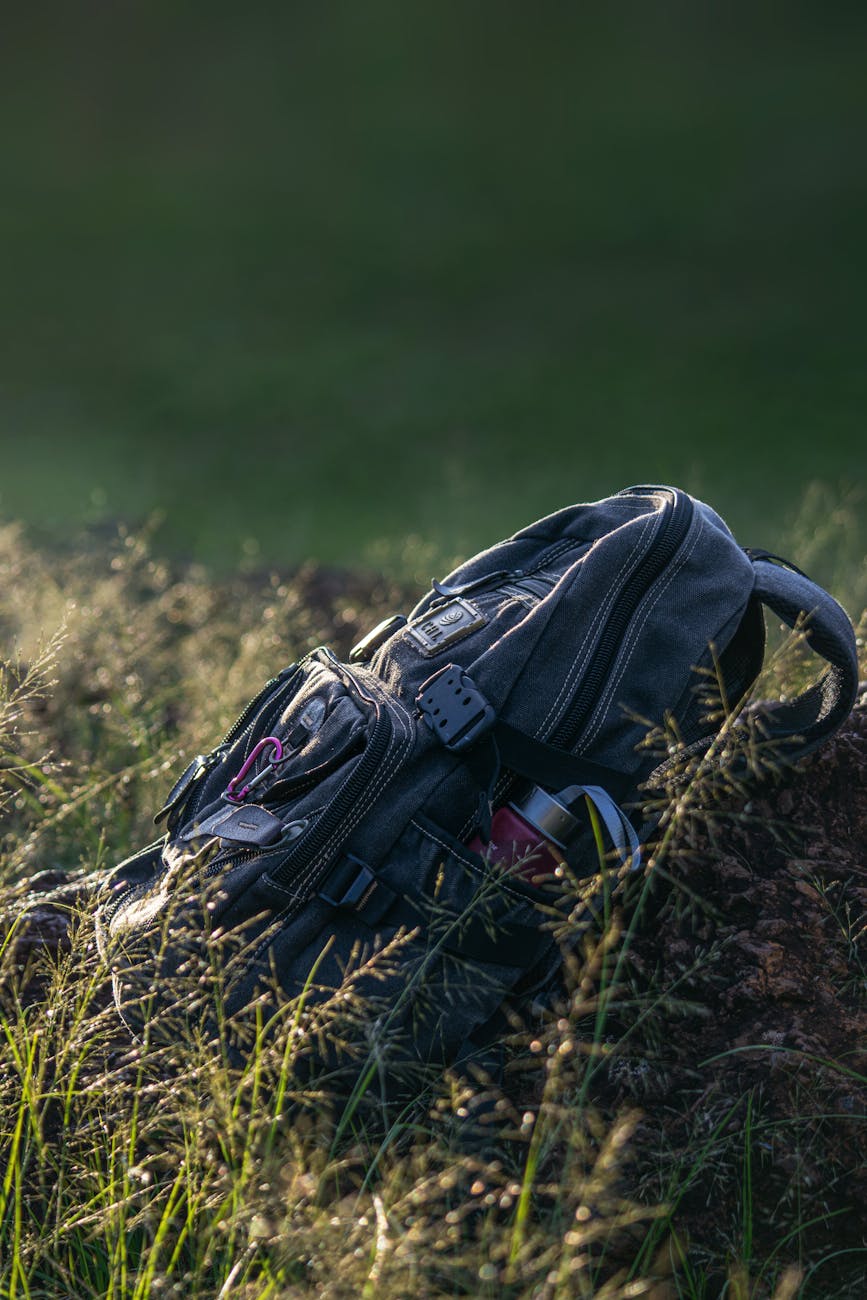
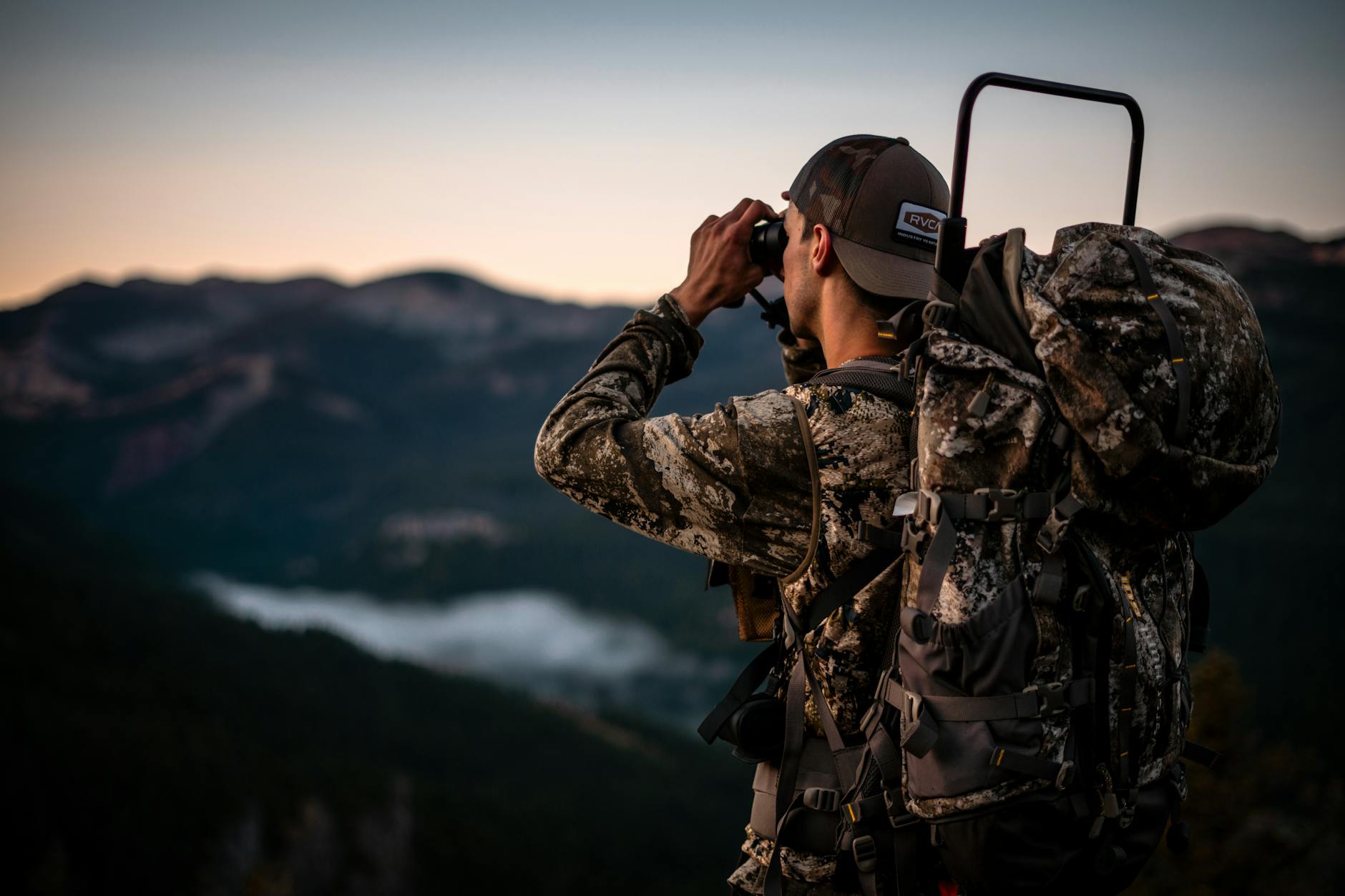
Backpack

A comfortable hunting backpack is worth every penny. It doesn’t have to be giant, but it should carry water, layers, safety gear, snacks, and your kill kit comfortably.

Look for:

  • Quiet material
  • Lightweight design
  • Waist strap
  • Enough room for extra layers

You’ll appreciate a good pack after a few miles walking through palmettos, pines, swamps, or hardwoods.


Navigation Tools

Public land can get confusing fast, especially before daylight.

Bring:

  • Fully charged phone
  • Hunting app with downloaded offline maps
  • Portable battery pack
  • Compass as backup

Apps like onX or HuntStand make life easier, but electronics can fail. A simple compass still matters.


Water

This sounds obvious, but a surprising number of hunters underestimate hydration — especially in North Florida and South Georgia heat.

Bring more water than you think you need.

Early season public land hunts can feel more like hiking trips than hunting trips. Dehydration will ruin your hunt faster than almost anything else.


Lightweight Snacks

You don’t need a full camp kitchen in your backpack.

Good options:

  • Jerky
  • Trail mix
  • Protein bars
  • Peanut butter crackers
  • Electrolyte packets

Simple calories go a long way during all-day sits or long scouting missions.


Headlamp

A quality headlamp is mandatory.

Bring:

  • Extra batteries
  • Red or green light mode if possible

Most public land movement happens in the dark. Having both hands free while walking through thick woods or climbing a tree is a game changer.


Knife & Kill Kit

Keep it simple.

Your kill kit should include:

  • Sharp knife
  • Replaceable blades or sharpener
  • Gloves
  • Game bags if needed
  • Zip ties or tagging materials

You do not need an entire butcher shop in your backpack.


Rain Gear

Even if the forecast looks clear, lightweight rain gear is worth packing.

Florida weather changes fast, especially during early season thunderstorms.

A compact rain jacket can also double as a wind blocker on cold mornings.


Extra Layers

Cold fronts in the South can be unpredictable. Dress in layers instead of carrying bulky clothing.

The goal:

  • Stay dry
  • Stay mobile
  • Avoid sweating during long walks

A sweaty hunter gets cold quickly once temperatures drop.


Safety Harness

If you’re climbing a tree, wear one. Every single time.

No deer is worth risking your life.


First Aid Basics

You don’t need a giant medical bag, but you should carry:

  • Bandages
  • Athletic tape
  • Pain reliever
  • Tweezers
  • Blood clotting gauze
  • Bug bite relief

Public land often means long walks back to the truck. Small injuries become big problems fast.


Things You Think You Need (But Probably Don’t)

Every Deer Call Ever Made

A grunt tube and maybe a rattling setup are usually enough.

You probably don’t need:

  • Three grunt calls
  • Multiple bleat cans
  • Four rattling systems
  • A backpack full of gadgets

Most successful public land hunters focus more on woodsmanship than calling.


Giant Backpack

A huge pack encourages overpacking.

If your backpack feels like you’re heading on a three-day camping trip for a morning hunt, you’re carrying too much.

Public land hunting rewards mobility.


Too Many Clothes

A common mistake is dressing for the stand before the walk.

You’ll sweat during the hike in, then freeze once you stop moving.

Dress lighter for the walk and layer up when you get settled.


Scent Elimination Overload

Basic scent control matters. Wind direction matters more.

You probably do not need:

  • Six different sprays
  • Ozone generators
  • Entire bags dedicated to scent products

Playing the wind and accessing spots carefully is usually more important.


Excessive Camera Gear

Unless you’re specifically filming content, keep cameras minimal.

Public land already requires carrying enough gear. Extra tripods, lenses, batteries, and mounts add weight quickly.

Sometimes it’s better to simply enjoy the hunt.


Massive Tool Kits

You don’t need:

  • Five saws
  • Multiple hatchets
  • Full socket sets
  • Enough gear to build a treehouse

A small folding saw is usually more than enough.


Too Much Technology

Technology helps, but don’t become dependent on it.

Some hunters spend more time staring at maps and wind apps than actually learning the woods.

Boots on the ground still wins.


Final Thoughts

The best public land hunters are usually the most adaptable hunters. They move efficiently, scout hard, hunt smart, and avoid carrying unnecessary weight into the woods.

Experience eventually teaches you the same lesson most backpack hunters learn: every ounce matters.

Bring what helps you hunt better. Leave behind what only makes you feel prepared.

At the end of the day, public land success usually comes down to effort, patience, and understanding the land — not how much gear you can strap to your back.

And if you’ve hunted public land long enough, you’ve probably realized something funny:

Half the gear you thought you needed eventually ends up staying in the truck anyway.

Beginner’s Guide to Big Bend Redfish

From Cedar Key to Panacea: Chasing Bronze Along Florida’s Forgotten Coast

Florida’s Big Bend is one of the last truly wild stretches of coastline left in the state. Unlike South Florida or the Gulf beaches farther west, the coast from Cedar Key through Suwannee, Horseshoe Beach, Steinhatchee, Keaton Beach, St. Marks and up toward Panacea is defined by miles of grass flats, tidal creeks, oyster bars, marshes, and shallow water. It’s skinny-water country—and that makes it redfish country. The region is known for expansive shallow flats, marsh systems, oyster bars, and year-round redfish habitat.  

If you’re new to chasing redfish in the Big Bend, the amount of water can feel overwhelming. The good news? Redfish are creatures of habit. Learn a few basics about tides, bait, and where fish move, and you’ll dramatically shorten the learning curve.


Understanding Big Bend Redfish

Redfish in the Big Bend live shallow. They spend their days hunting shrimp, mullet, crabs, and baitfish around grass flats, oyster bars, potholes, creek mouths and marsh edges. They commonly move with the tide—pushing shallow on incoming water and dropping into deeper cuts or potholes when water falls.  

One thing that surprises many newcomers: this coastline is extremely shallow. In some areas you can run a mile offshore and still only be in a few feet of water. Cedar Key especially is famous for its sprawling grass flats and skinny-water fishing opportunities.  

That means two things:

  1. Redfish have incredible habitat
  2. You can get stuck quickly if you ignore tides

Tides Matter More Than Almost Anything

Many new anglers focus on moon phases or weather. In the Big Bend, focus on tides first.

Redfish use moving water like a dinner bell.

Incoming Tide

As water rises, fish push onto flooded grass, oyster edges and marsh banks looking for shrimp and crabs.

This is often the best time for:

  • Sight-fishing tailing reds
  • Working shallow flats
  • Fishing grass points
  • Kayak fishing marshes

Redfish in Cedar Key commonly move shallow during the last part of the incoming tide and early outgoing periods.  

Outgoing Tide

Falling water funnels bait out of creeks and marsh drains.

Look for:

  • Small creek mouths
  • Tidal cuts
  • Oyster points
  • Potholes

Fish often stack up in these “choke points.”

Dead Low Tide

Don’t panic if you arrive at low water.

Many anglers struggle because they continue fishing shallow areas that are now dry. Instead, fish nearby potholes, channels, and deeper troughs where reds retreat until water rises again. Cedar Key anglers often target potholes and deeper channels during low water periods.  


Best Baits for Beginner Big Bend Redfish

You do not need twenty rods and a tackle store in your boat.

Start simple.

Live Bait

For beginners, these consistently produce:

  • Live shrimp
  • Finger mullet
  • Mud minnows
  • Cut mullet
  • Blue crab chunks

Local anglers regularly rely on shrimp, mullet and crab around Cedar Key and Big Bend waters.  

Rig them:

  • Under a popping cork
  • On a jig head
  • Knocker rig near oysters
  • Free-lined in shallow water

Artificial Lures

Keep a small tackle box with:

Gold spoon
A Big Bend classic. Covers water and rarely snags grass.

Paddle tails
3–4 inch soft plastics on 1/8 oz jig heads.

Gulp shrimp
A favorite among Big Bend anglers, especially under popping corks.  

Topwater plugs
Early mornings can be explosive.

Big Bend anglers frequently report strong topwater and spoon bites during redfish seasons.  


Beginner Gear Setup

No need for heavy saltwater gear.

A simple setup:

Rod:
7’ medium or medium-heavy spinning rod

Reel:
2500–3000 size spinning reel

Line:
10–15 lb braid

Leader:
20–25 lb fluorocarbon

This setup handles slot reds while still being light enough for trout and flounder.

Bring extra leader.

Big Bend oysters destroy fishing line.


Fishing From a Boat

The Big Bend is made for shallow boats.

Flats skiffs, jon boats, bay boats, and small skiffs excel here.

When fishing from a boat:

  • Drift grass flats
  • Use trolling motors in shallow water
  • Watch for oyster bars
  • Follow channels carefully
  • Study maps before running

The coastline is beautiful—but unforgiving.

A common beginner mistake is blasting across unknown flats at low tide.

Spend more time exploring than running.


Fishing From a Kayak

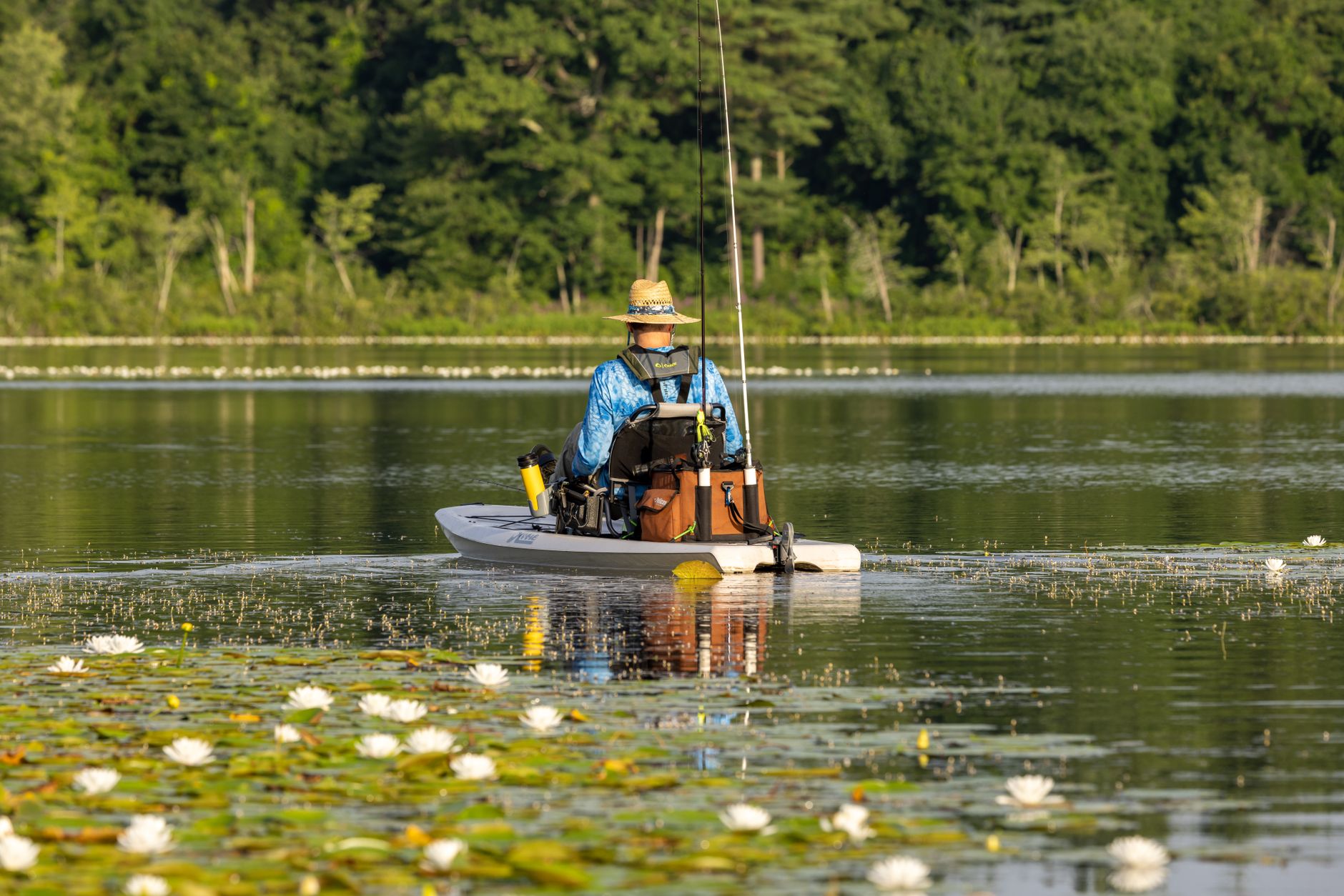
Kayaks may actually be the best way for beginners to learn Big Bend redfish.

Why?

You naturally slow down.

And slowing down catches fish.

Areas around Shell Mound, Steinhatchee, creek systems, and shallow marshes are popular among kayak anglers. Community anglers repeatedly mention creeks and shallow marsh access as ideal kayak water.  

Kayak advantages:

  • Access water boats can’t reach
  • Quiet approach
  • Easy sight fishing
  • Less fuel cost

Bring:

  • Stakeout pole
  • Good GPS or phone maps
  • Plenty of water
  • Tide chart

And remember:

You paddle in with the tide…

You paddle out against it.


Fishing From Shore

Most people assume Big Bend redfish require a boat.

Not true.

Shore anglers can still find success around:

  • Fishing piers
  • Bridge approaches
  • Creek mouths
  • Public access points
  • Marsh edges

Target moving water around structure.

Fish:

  • Live shrimp under corks
  • Gold spoons
  • Paddle tails

Focus less on casting far and more on finding current and bait.


Areas Worth Exploring

Without giving away anyone’s honey holes, beginners should explore:

Cedar Key: islands, oyster bars, grass flats and tidal creeks. The area is known for shallow keys and extensive grass systems.  

Suwannee: creek mouths and marshes

Horseshoe Beach: scattered oyster structure and grass

Steinhatchee: potholes, flats and creek systems

Keaton Beach: endless grass and redfish schools

St. Marks/Panacea: marsh shorelines and oyster edges


Final Thoughts

The Big Bend rewards anglers who slow down and learn water movement.

You do not need a $70,000 flats boat or a tackle room full of gear.

You need:

  • Moving water
  • Bait presence
  • Quiet approaches
  • Time on the water

Spend enough mornings watching mullet flip along a grass edge, and eventually you’ll see it:

A copper back pushing water through the marsh.

And once you catch your first Big Bend redfish, you’ll understand why so many anglers become obsessed with this stretch of Florida coast.

Tight lines from Cedar Key to Panacea.

Quota Hunt Applications Are Open

Florida Quota Hunt Applications Are Open: Here’s What North Florida Hunters Need to Know

If you plan on hunting Florida public land this season, now is the time to pay attention.

Florida’s quota hunt application periods are opening for the 2026–2027 season, and if you hunt Wildlife Management Areas (WMAs), this process can make the difference between spending fall in a stand—or sitting at home wishing you had applied. Quota permits help manage hunting pressure and provide quality opportunities across public lands throughout the state.

For many North Florida hunters, quota hunts are the gateway to some of the best deer, turkey, hog, and specialty opportunities available on public land.

Whether you’re a seasoned WMA hunter or applying for your first permit, here’s a breakdown of what you need to know.

What Is a Florida Quota Hunt?

Florida uses a quota permit system to control hunter numbers on certain public lands and hunt periods. These permits are used on many WMAs to reduce overcrowding and help wildlife managers maintain healthy game populations.

Not every hunt requires a quota permit, and rules vary by WMA and season, which is why reading the individual area brochure is critical. Community hunters frequently point to brochures as one of the most important tools for understanding access and hunt rules.

For hunters across North Florida, this could include opportunities for:

  • Whitetail deer
  • Turkey
  • Hog hunts
  • Waterfowl
  • Special opportunity hunts
  • Limited-entry public land hunts

How To Apply for Florida Quota Permits

The application process is fairly straightforward once you know where to go.

Step 1: Create or Log Into Your Account

Go to the official Florida licensing portal:

Go Outdoors Florida

Log into your account or create one if you’re a first-time applicant.

Step 2: Select “Apply for Limited Entry / Quota Permits”

Inside your account dashboard, navigate to:

Apply for Limited Entry / Quota Permits

Florida’s limited-entry system handles quota hunts, special opportunity hunts, and other draw-based opportunities.

Step 3: Research Your WMA Before Applying

Before selecting a hunt:

  • Read WMA brochures
  • Study hunt dates
  • Review weapon restrictions
  • Check quota requirements
  • Understand access rules

This is especially important because some North Florida areas have different rules depending on archery, muzzleloader, and general gun periods.

Step 4: Submit Your Choices

Choose your hunt preferences and submit your application before deadlines close.

Application periods open at designated times and close at midnight on the final day of the application period.

A Few Tips From Florida Public Land Hunters

Over time, experienced hunters around the state have learned a few things:

  • Build preference points over time
  • Apply consistently every year
  • Consider less popular dates or hunt periods
  • Read brochures carefully
  • Have backup plans

Many Florida hunters note that some highly sought-after quota hunts can take years of preference points to consistently draw.

North Florida Areas Worth Researching

Depending on where you live, many hunters begin looking at areas around:

  • Suwannee County
  • Big Bend region
  • Osceola area properties
  • North Central Florida WMAs
  • Public lands surrounding Madison and Lake City

The best approach is identifying land within driving distance and learning those properties year after year.

Final Thoughts

Florida’s public land system can feel confusing when you’re first getting started. Between brochures, preference points, quota applications, and different regulations, there’s definitely a learning curve.

But once you understand it, some incredible opportunities open up.

At Timber & Marsh, we’ll continue sharing North Florida hunting updates, public land information, and community discussions to help hunters stay informed.

If you’re applying this year, let us know what areas you’re putting in for and where you’re hoping to spend your fall.

Good luck, and we’ll see you in the woods.

— Timber & Marsh