Whether you own five acres behind your house or a 500-acre hunting property, one question comes up more than any other:
“What should I plant to attract more deer?”
The truth is, there isn’t one magic tree or food plot that will suddenly fill your trail camera with giant bucks. The best deer properties offer food throughout the year, providing nutrition during spring and summer when does are raising fawns and bucks are growing antlers, while also supplying attractive food sources during hunting season.
If you’re looking to improve your property in North Florida or South Georgia, here are the trees and plants that offer the best return on investment based on cost, time to produce, and their ability to consistently attract whitetails.

1. Sawtooth Oak
Best ROI Overall
If you only plant one tree, make it a sawtooth oak.
Unlike many native oaks that can take 20 years or more to produce a significant acorn crop, sawtooth oaks often begin dropping acorns in as little as 5-8 years, with some producing even sooner under ideal conditions.
Why Deer Love Them
Sawtooth acorns begin falling earlier than most native oaks, often from September into October. That timing coincides perfectly with the opening weeks of archery season across much of the Southeast.
Deer will often abandon agricultural fields to feed beneath a mature sawtooth oak when the acorns begin dropping.
ROI
- Cost: $20-$40 per tree
- Time to Produce: 5-8 years
- Maintenance: Low
- Wildlife Value: Excellent
Overall ROI: 10/10
2. American Persimmon
The Hidden Gem
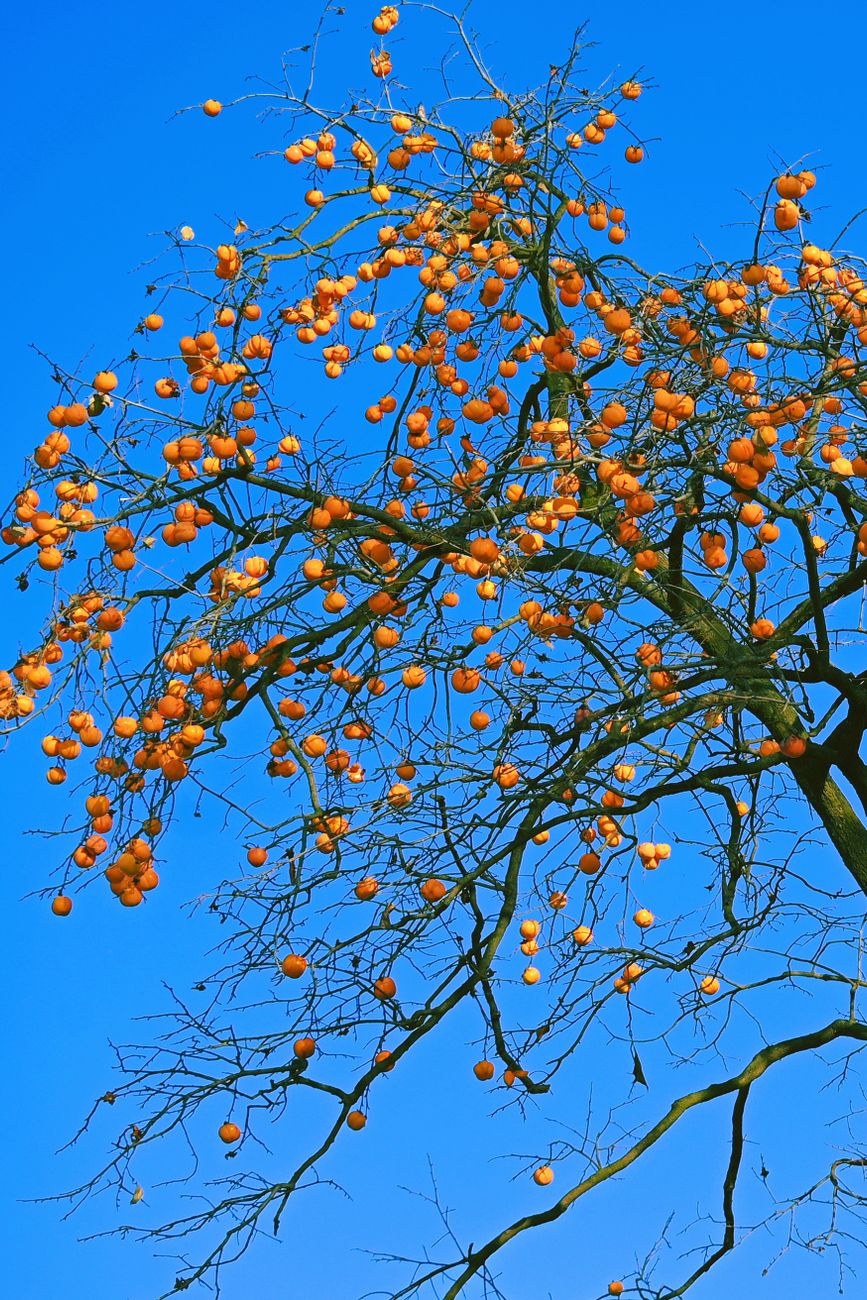
Native persimmons are one of the most overlooked deer attractants in the Southeast.
When ripe fruit begins falling in late September and October, deer will often visit the same tree every evening until every piece of fruit is gone.
The key is planting grafted female trees, as only female trees produce fruit.
ROI
- Cost: $35-$60
- Time to Produce: 3-5 years (grafted trees)
- Maintenance: Very Low
Overall ROI: 10/10
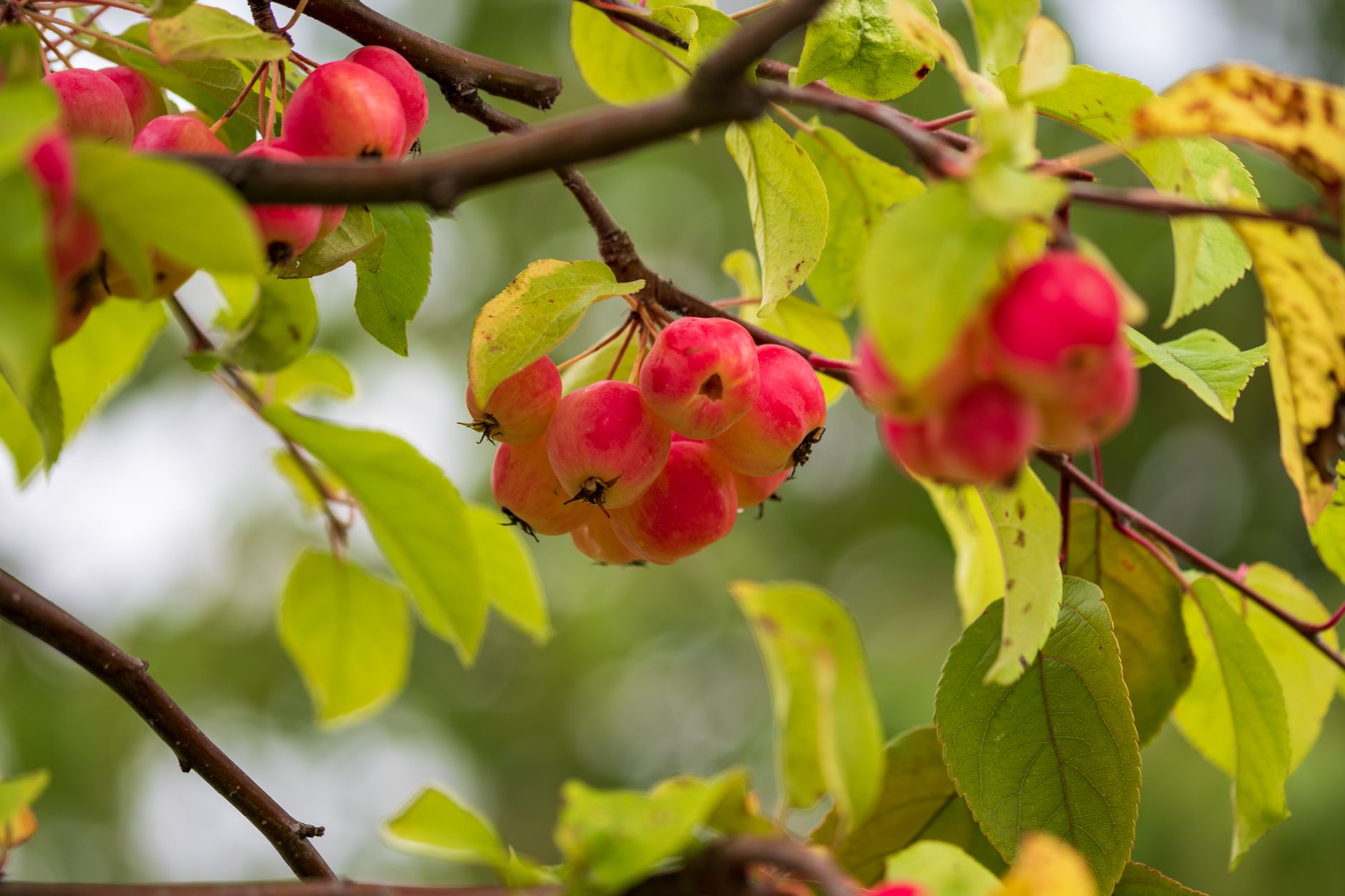
3. Crabapple
Many hunters think of apple trees as a Midwestern food source, but several southern-adapted crabapple varieties thrive in North Florida and South Georgia.
Once established, crabapples provide soft mast that deer, turkeys, and other wildlife eagerly consume.
ROI
- Cost: Moderate
- Production: 4-6 years
- Wildlife Value: Excellent
Overall ROI: 8.5/10

4. Dunstan Chestnut
If you’re willing to invest a little more money upfront, Dunstan chestnuts are one of the best wildlife trees available.
The nuts contain far more carbohydrates than acorns and are highly preferred by deer.
Many trees begin producing in 3-5 years.
The downside is that chestnuts require well-drained soil and a bit more care during establishment.
ROI
- Cost: High
- Production: 3-5 years
- Wildlife Value: Outstanding
Overall ROI: 9/10
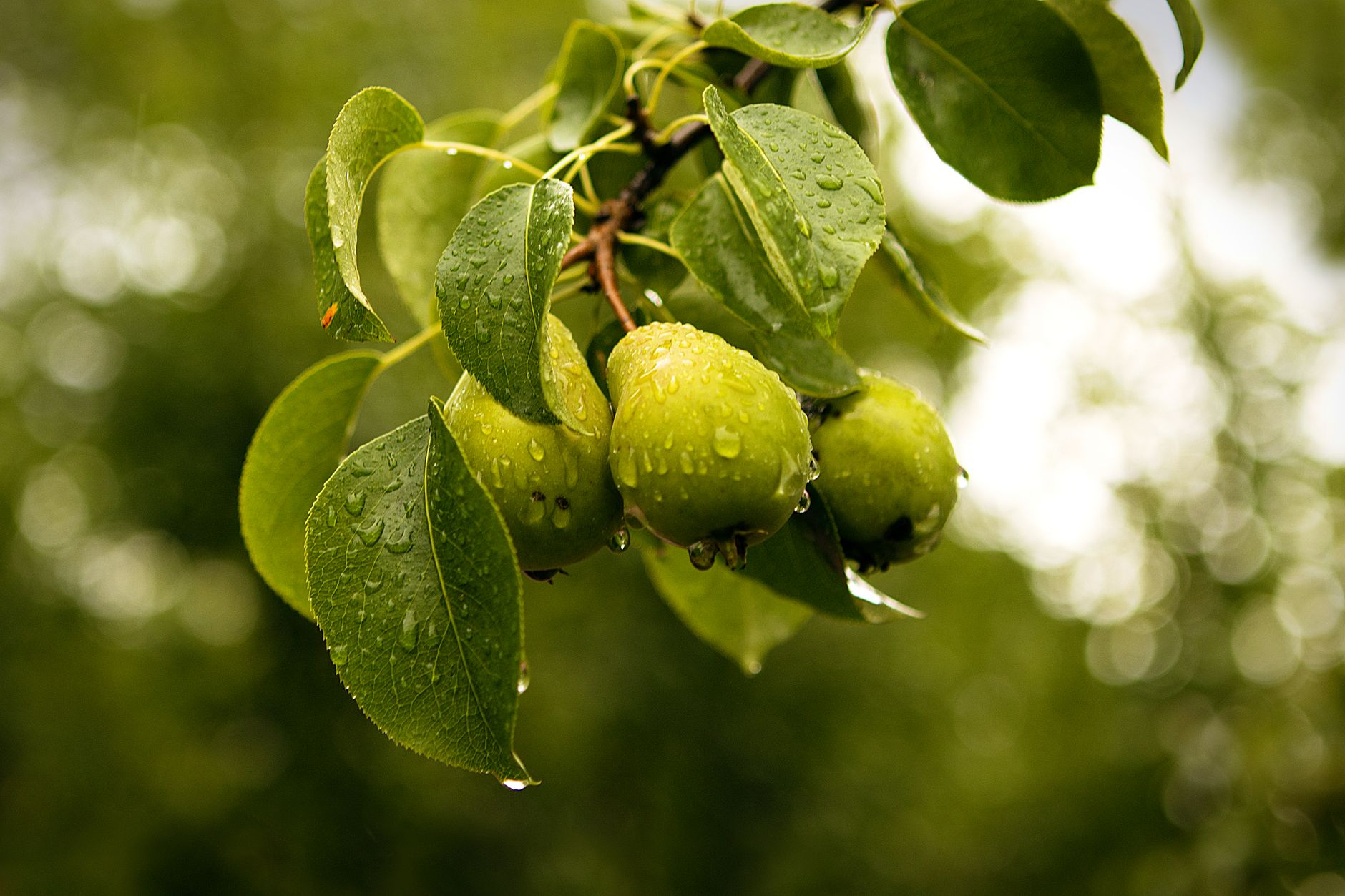
5. Pear Trees
Kieffer and other southern-adapted pears are another excellent option.
Fruit usually begins dropping from late summer through early fall, giving deer another reliable food source before acorns begin falling.
They also provide food for your family.
ROI
- Cost: Moderate
- Production: 3-5 years
Overall ROI: 8/10

Food Plots: The Fastest Return
Trees are a long-term investment, but food plots produce results immediately.
If your goal is seeing more deer this fall, planting food plots will give you the quickest payoff.
Fall Plantings
- Cereal Rye
- Oats
- Wheat
- Crimson Clover
- Arrowleaf Clover
- Austrian Winter Peas
- Brassicas (where browsing pressure allows)
Time to Produce
30-60 days
ROI: 10/10
Native Browse: The Most Underrated Deer Food
One mistake many landowners make is clearing every brushy area to create more “clean” woods.
In reality, thick native browse is one of the most nutritious food sources available.
Species like:
- Greenbrier
- Blackberry
- Dewberry
- Beautyberry
- Honeysuckle
- Ragweed
- Young hardwood sprouts
can provide high-protein forage for much of the year.
Sometimes the best habitat improvement is simply allowing parts of your property to regenerate naturally.
Soft Mast Shrubs
If you have room, consider planting:
- American Beautyberry
- Elderberry
- Chickasaw Plum
These native shrubs provide food, cover, and nesting habitat for numerous wildlife species—not just deer.
Building a Property That Produces Deer Year-Round
The best hunting properties aren’t built around one food source. They’re built around diversity.
An ideal property in North Florida or South Georgia might include:
- Native browse throughout the property
- Sawtooth oaks for early-fall attraction
- Native white and red oaks for later acorn production
- Persimmons and pears for soft mast
- Cool-season food plots
- Thick bedding cover
- Reliable water sources
This combination keeps deer on your property for much more of the year instead of simply passing through during hunting season.
Timber & Marsh Recommendations
If you’re planting today and want the best return on your investment, here’s how we’d prioritize it:
Immediate Results (This Hunting Season)
- Plant a cool-season food plot.
- Encourage native browse by creating small pockets of early successional habitat.
Short-Term (3-5 Years)
- Grafted American persimmons
- Dunstan chestnuts
- Southern-adapted pear trees
Long-Term (5-10 Years)
- Sawtooth oaks
- Native white oaks
- Swamp chestnut oaks
Improving deer habitat isn’t about creating a single “honey hole.” It’s about giving deer everything they need—food, cover, and security—through every season of the year.
Do that consistently, and your property won’t just attract more deer. It’ll hold them.