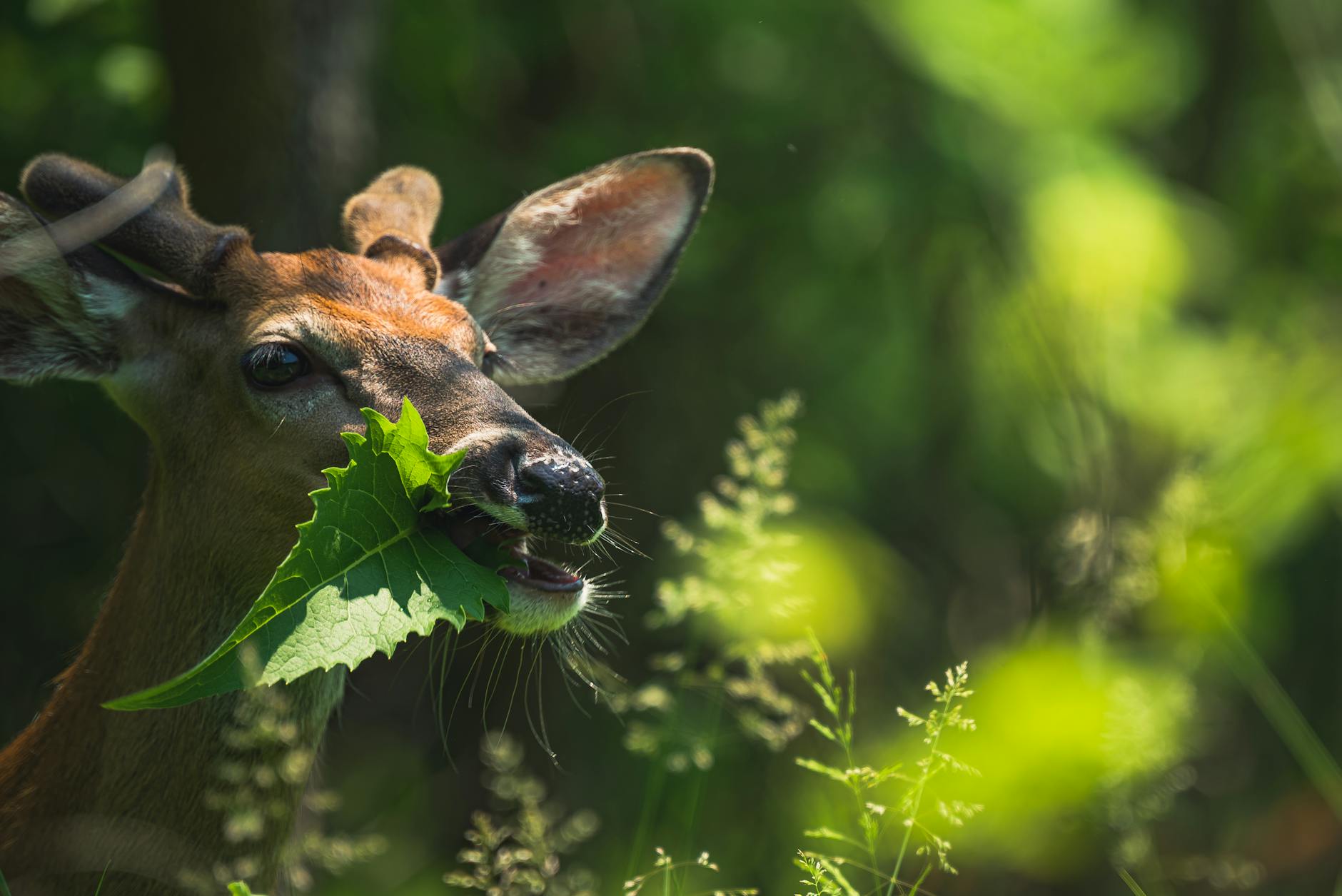
If you’ve spent any time hunting whitetails in Florida, you already know one thing: deer here do not behave like Midwestern deer. Florida’s heat, humidity, flat terrain, and unpredictable weather patterns create a completely different style of hunting. Understanding how weather affects deer movement in the Sunshine State can be the difference between seeing a mature buck on his feet or staring at an empty food plot all afternoon.
From late summer thunderstorms to rare cold fronts, weather plays a major role in how and when Florida deer move. Hunters who learn to adapt to these conditions consistently put themselves in better positions throughout the season.
Late Summer Thunderstorms
Anyone who lives in North Florida knows the routine. Hot mornings turn into towering clouds by mid-afternoon, followed by heavy rain, lightning, and strong winds. These daily thunderstorms heavily influence deer movement during scouting season and early archery season.
Before the Storm
One of the best movement windows in late summer often happens just before a thunderstorm arrives. As barometric pressure begins to change and temperatures slightly cool ahead of rain, deer frequently get on their feet earlier than normal.
Bucks that normally stay buried in thick cover during the heat may briefly move into food plots, browse edges, or shaded oak hammocks before the storm hits. If you notice dark clouds building and winds beginning to shift, it can create a short but productive feeding window.
During Heavy Rain
Florida deer typically bed down during intense thunderstorms. Heavy rain limits visibility, reduces scent detection, and creates uncomfortable conditions for movement. Mature bucks especially tend to stay tucked into thick bedding cover during the worst weather.
However, light rain is a different story. A steady drizzle can actually improve hunting conditions because it softens sound and helps conceal hunter movement.
After the Storm
Immediately after a summer storm passes can be one of the most underrated times to hunt in Florida. Temperatures often drop several degrees, humidity briefly decreases, and deer begin feeding aggressively after sitting tight during the rain.
Fresh browse knocked down by wind and rain also attracts deer to edges and open areas. Evening hunts after a thunderstorm can be surprisingly productive during the early season.
Heat Waves and High Temperatures
Heat is the biggest challenge for Florida deer hunters. Early season temperatures regularly stay in the upper 80s and 90s, and deer movement slows dramatically during extreme heat.
How Deer React to Heat
During heat waves, deer conserve energy by minimizing daytime movement. They focus heavily on survival rather than unnecessary activity. Most movement happens:
- Very early in the morning
- During the final minutes of daylight
- At night
Mature bucks especially become nocturnal during extended hot periods.
Florida deer seek out:
- Thick shaded cover
- Swamps and creek bottoms
- Areas with steady wind
- Water sources
- Dense pine plantations
- Hammocks with cooler ground temperatures
Hunting During Heat Waves
Many hunters give up when temperatures rise, but there are still ways to find success.
Focus on:
- Water sources
- Transition areas near bedding cover
- Small shaded food plots
- Travel corridors with consistent airflow
Even in extreme heat, deer still need to eat and drink. The key is understanding they simply move less and do it during shorter windows.
Trail cameras become extremely valuable during hot weather because they help identify exact movement times. Sometimes a mature buck may only appear during a 15-minute window right at dark.
Early Season Food Patterns
In hot weather, deer often prioritize high-moisture food sources. Soft mast, persimmons, muscadines, and green browse can sometimes outproduce traditional food plots during the early season.
Hunters who scout natural food sources during late summer often gain a major advantage.
Cold Fronts: Florida’s Best Deer Hunting Weather
Nothing changes deer movement in Florida more than a cold front.
Ask almost any experienced Florida hunter, and they’ll tell you the same thing: when the temperature drops, you need to be in the woods.
Why Cold Fronts Matter
Florida deer spend most of the year dealing with heat stress. Even a small temperature drop of 10 to 15 degrees can dramatically increase activity levels.
Cold fronts create:
- Increased daytime feeding
- Longer movement periods
- More rut activity
- Greater buck visibility
- Increased travel between bedding and feeding areas
The first major cold fronts of fall are especially important. Deer that have been mostly nocturnal suddenly begin moving during daylight hours.
Timing the Front
The best hunting often occurs:
- The evening before the front arrives
- The first full day after the front
- The second morning after temperatures drop
Rising movement is often tied to:
- Falling temperatures
- Higher barometric pressure
- Lower humidity
- Increased comfort for deer
In North Florida, some of the best hunts of the year happen after a hard rain followed by crisp, dry air and northwest winds.
Rut Activity During Cold Fronts
Florida rut timing varies dramatically by region, but cold fronts consistently increase rut movement wherever you hunt.
Bucks become more willing to:
- Cruise during daylight
- Check scrape lines
- Push does
- Cover larger distances
If a cold front lines up with peak rut activity, it can produce some of the best hunting conditions of the entire season.
Wind and Deer Movement
Wind is one of the most misunderstood factors in deer hunting. Many hunters focus only on scent control, but wind also changes how deer feed, travel, and bed.
Light to Moderate Wind
A steady wind is often beneficial for deer movement. Deer rely heavily on their noses, and consistent wind helps them monitor danger while moving through open areas.
Moderate wind can:
- Encourage daytime movement
- Help deer feel secure
- Increase feeding activity
- Improve hunter concealment
In Florida’s warm climate, breezy days can also reduce heat stress and insect pressure.
High Wind Conditions
Strong winds are a different story.
When wind becomes excessive, deer movement often slows. Swirling gusts make it difficult for deer to detect predators, and constant noise limits their ability to hear danger.
During high winds, deer typically:
- Stay closer to bedding cover
- Move in protected areas
- Avoid open fields
- Use creek bottoms and timber edges
If you hunt during windy conditions, focus on sheltered terrain where deer feel more comfortable.
Using Wind to Your Advantage
The best hunters don’t just “hunt the wind” for scent control — they use wind to predict where deer want to travel.
In Florida, deer often prefer:
- Leeward ridges
- Protected oak hammocks
- Timber edges with airflow
- Areas just inside thick cover
A smart stand setup uses both wind direction and deer comfort zones together.
Final Thoughts
Florida deer hunting is all about adapting. Unlike colder states where deer may move predictably every evening, Florida whitetails react heavily to weather changes.
Hunters who pay attention to:
- Temperature swings
- Incoming storms
- Wind direction
- Humidity changes
- Cold fronts
will consistently see more deer throughout the season.
Sometimes the smallest weather shift can completely change deer behavior in North Florida. A ten-degree drop, a passing thunderstorm, or a steady north wind can suddenly turn a slow hunt into an unforgettable evening in the stand.
Learning how weather influences movement won’t guarantee success every trip, but it will absolutely help you spend more time hunting when conditions are in your favor.
And in Florida, timing matters more than almost anything.
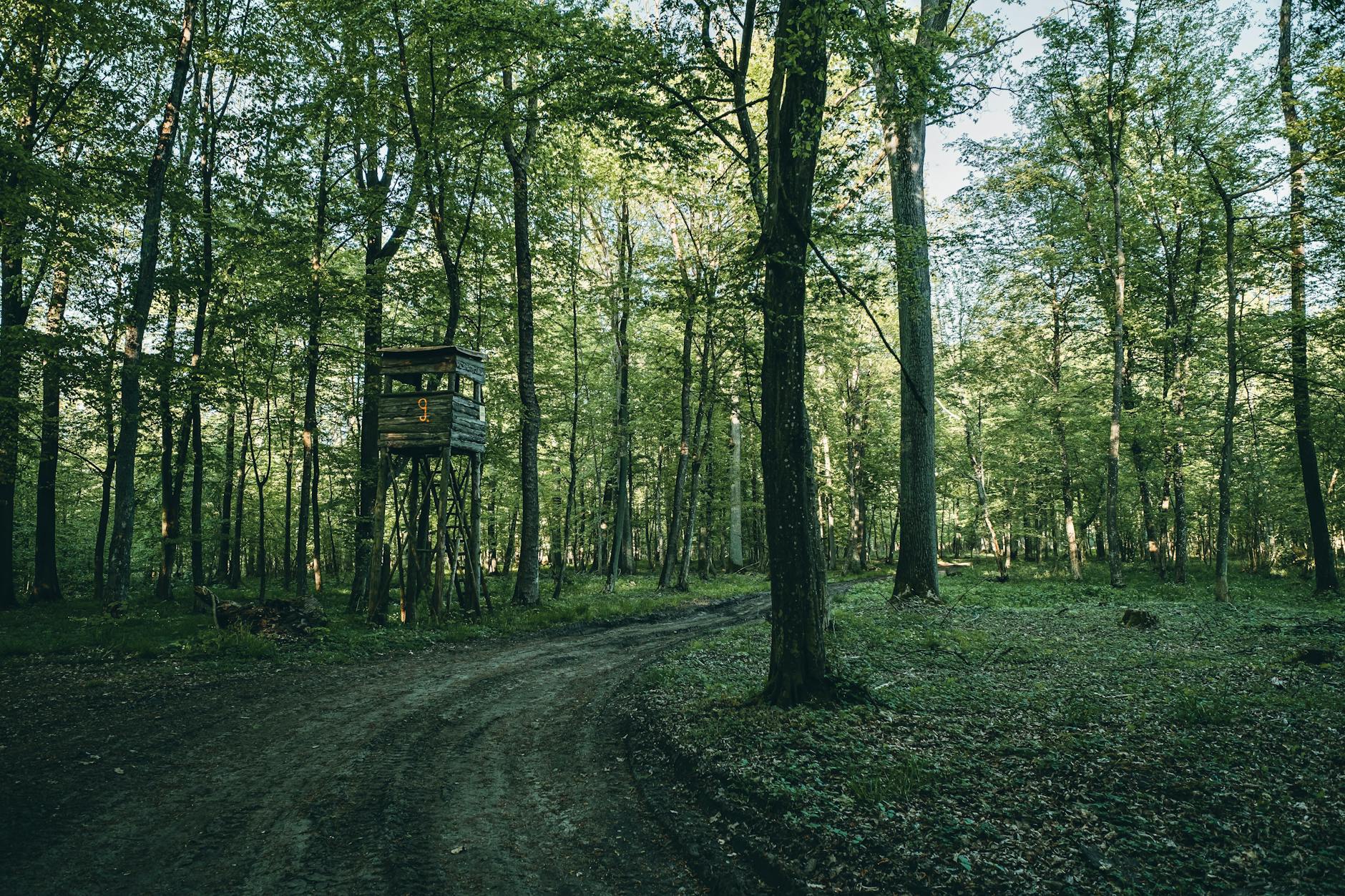
 Timber and Marsh