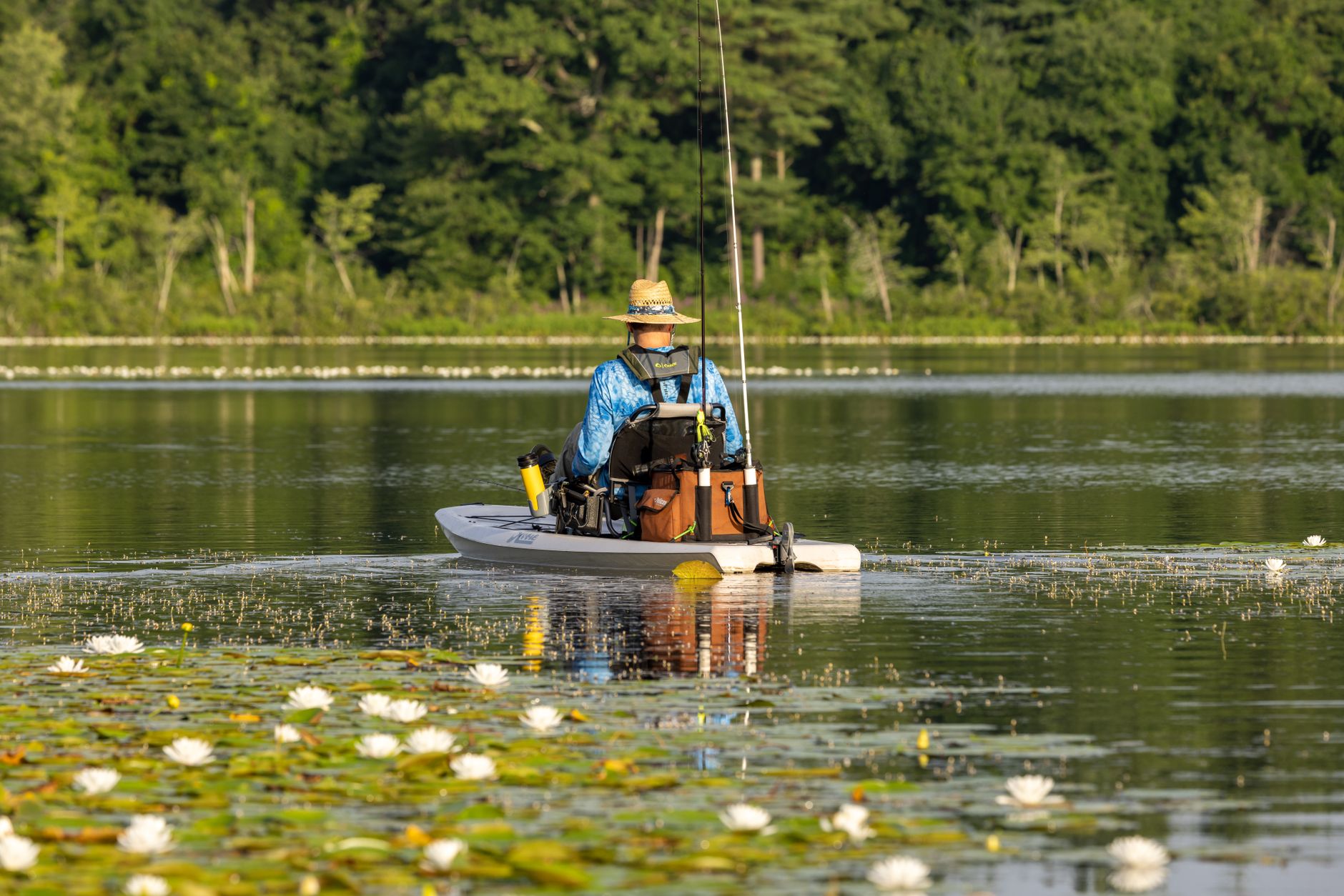
The 10 Best Kayak Fishing Destinations in North Florida

North Florida may be one of the best kayak fishing regions in the entire Southeast. From winding blackwater rivers and hidden spring runs to sprawling salt marshes and grass flats, kayak anglers have access to an incredible variety of fisheries without needing a large boat.

One of the best parts about kayak fishing in North Florida is diversity. In a single weekend, you can target largemouth bass in flooded timber, sight-fish for redfish on shallow grass flats, chase speckled trout in oyster creeks, catch flounder around docks, or even load the cooler with catfish on a river bend.

For this list, we focused on fisheries east of Lake Seminole, north of Ocala, and west of Jacksonville. These are places that offer excellent access, productive fishing, and the kind of scenery that makes North Florida special.


1. Suwannee River

The Suwannee River is probably the ultimate North Florida kayak fishing destination.

This river system offers miles of fishable water with everything from limestone shoals and cypress trees to deep bends and tidal marshes closer to the Gulf. Kayak anglers can target largemouth bass, Suwannee bass, catfish, redfish, flounder, and speckled trout depending on where they launch.

The upper stretches near White Springs and Branford are excellent for bass fishing, while the lower river near Suwannee and Horseshoe Beach becomes a brackish fishery loaded with saltwater species.

Species

  • Largemouth bass
  • Suwannee bass
  • Channel catfish
  • Redfish
  • Speckled trout
  • Flounder

Best Launches

  • Branford Boat Ramp
  • Fanning Springs
  • Suwannee Marina
  • Gornto Springs Ramp

Why It’s Great for Kayaks

  • Endless shoreline access
  • Protected water from wind
  • Tons of hidden creeks and backwaters
  • Excellent camping opportunities along the river

Local anglers on Reddit often describe the Suwannee system as one of the most unique fisheries in Florida because of its mix of current, springs, limestone structure, and tidal influence.


2. St. Marks & Apalachee Bay

If your goal is saltwater kayak fishing, it’s hard to beat the St. Marks area.

Miles of shallow grass flats, oyster bars, tidal creeks, and protected marshes create ideal habitat for redfish, trout, flounder, and sheepshead. This region is especially popular among kayak anglers because much of the water is too shallow for larger boats.

Spring through fall can offer phenomenal topwater action for trout and redfish.

Species

  • Redfish
  • Speckled trout
  • Flounder
  • Sheepshead
  • Black drum

Best Launches

  • Shields Marina
  • St. Marks River Park
  • Aucilla River
  • Lighthouse Boat Ramp

Why It’s Great for Kayaks

  • Vast shallow-water access
  • Minimal boat traffic in many areas
  • Incredible sight-fishing opportunities
  • Beautiful marsh scenery

The Big Bend region also hosts multiple kayak-friendly tournaments throughout the year.


3. Lake Talquin

Lake Talquin near Tallahassee is one of the best kayak bass fisheries in North Florida.

The lake’s standing timber, creek channels, river bends, and offshore structure give kayak anglers access to excellent largemouth bass fishing year-round. Talquin fishes differently than many Florida lakes because of its depth and river influence.

Species

  • Largemouth bass
  • Crappie
  • Catfish
  • Hybrid striped bass

Best Launches

  • Coe Landing
  • Williams Landing
  • Fort Braden Ramp

Why It’s Great for Kayaks

  • Protected coves and creek arms
  • Excellent offshore electronics fishing
  • Big bass potential
  • Less pressure than many Florida lakes

The Tallahassee area has also become increasingly popular for competitive kayak bass fishing tournaments.


4. Jacksonville Intracoastal & Talbot Island Area

The Jacksonville backwater marsh systems offer some of the best inshore kayak fishing on Florida’s east coast.

Places like Clapboard Creek, Sisters Creek, Fort George River, and the Talbot Island marshes give kayak anglers access to miles of oyster-lined creeks and shallow flats.

Species

  • Redfish
  • Speckled trout
  • Flounder
  • Sheepshead
  • Black drum
  • Tarpon (seasonally)

Best Launches

  • Jim King Park
  • Little Talbot Island
  • Dutton Island Preserve
  • Sisters Creek

Why It’s Great for Kayaks

  • Endless creek systems
  • Protected marshes
  • Excellent flood tide fishing
  • Strong year-round inshore bite

Jacksonville also has a growing kayak tournament scene, especially for redfish and trout anglers.


5. Ochlockonee River

The Ochlockonee River offers one of the best mixed-species kayak fisheries in North Florida.

This system combines river fishing, tidal creeks, cypress swamps, and marshes into one massive fishery. Anglers can catch largemouth bass far upriver and transition into redfish and trout closer to the bay.

Species

  • Largemouth bass
  • Redfish
  • Speckled trout
  • Catfish
  • Flounder

Best Launches

  • Ochlockonee River State Park
  • Mashes Sands
  • White Oak Landing

Why It’s Great for Kayaks

  • Diverse water types
  • Scenic old Florida environment
  • Excellent tidal creek fishing
  • Minimal fishing pressure

6. Santa Fe River

The Santa Fe River is one of the most beautiful paddle fisheries in Florida.

Spring-fed clear water mixes with tannic sections and creates ideal habitat for bass and panfish. The river also connects to the Suwannee, allowing adventurous anglers to explore huge stretches of fishable water.

Species

  • Largemouth bass
  • Suwannee bass
  • Catfish
  • Bluegill

Best Launches

  • Rum Island
  • Poe Springs
  • High Springs Boat Ramp

Why It’s Great for Kayaks

  • Crystal-clear spring runs
  • Easy floating access
  • Excellent camping and paddling
  • Beautiful scenery

7. Dead Lakes

The Dead Lakes near Wewahitchka feel tailor-made for kayak anglers.

Cypress trees, shallow backwaters, and hidden pockets create ideal ambush habitat for largemouth bass. The calm water and maze-like layout make it one of the best places in Florida for exploring by kayak.

Species

  • Largemouth bass
  • Catfish
  • Bluegill
  • Crappie

Best Launches

  • Dead Lakes Park
  • Wewahitchka Landing

Why It’s Great for Kayaks

  • Calm protected water
  • Incredible cypress scenery
  • Excellent shallow-water fishing
  • Great photography opportunities

8. Cedar Key & Lower Suwannee

Cedar Key and the Lower Suwannee region offer classic Big Bend kayak fishing.

This area combines shallow grass flats, oyster bars, tidal creeks, and hidden marsh ponds. Redfish and trout dominate the fishery, but flounder and sheepshead are also common.

Species

  • Redfish
  • Speckled trout
  • Flounder
  • Sheepshead
  • Black drum

Best Launches

  • Shell Mound
  • Cedar Key City Ramp
  • Lower Suwannee Refuge

Why It’s Great for Kayaks

  • Massive shallow-water access
  • Protected marshes
  • Sight-fishing opportunities
  • Less crowded than many Gulf Coast fisheries

The Nature Coast Challenge has helped make this region a destination for competitive kayak anglers.


9. Wacissa River

The Wacissa River is a hidden gem for kayak anglers who enjoy quiet water and natural beauty.

This spring-fed river has countless side channels, submerged grass, and cypress-lined banks. It’s not known for giant bass, but it offers steady action and incredible scenery.

Species

  • Largemouth bass
  • Panfish
  • Catfish
  • Gar

Best Launches

  • Wacissa Boat Ramp

Why It’s Great for Kayaks

  • No-wake environment
  • Crystal-clear water
  • Excellent wildlife viewing
  • Great beginner kayak fishery

Local paddlers frequently mention the Wacissa as one of the quietest and most scenic rivers in North Florida.


10. Rodman Reservoir

Rodman Reservoir is famous for giant largemouth bass, and kayak anglers can access areas many larger boats avoid.

Fishing heavy hydrilla, flooded timber, and shoreline cover from a kayak gives anglers a stealth advantage that often produces bigger fish.

Species

  • Largemouth bass
  • Crappie
  • Catfish

Best Launches

  • Kenwood Landing
  • Orange Springs Ramp

Why It’s Great for Kayaks

  • Trophy bass potential
  • Access to shallow backwaters
  • Excellent flipping and frog fishing
  • Legendary Florida bass fishery

Kayak Fishing Tournaments in North Florida

Kayak fishing tournaments continue to grow across North Florida, especially catch-photo-release style events.

Some of the most popular events include:

  • Big Bend Kayak Classic
  • Nature Coast Challenge
  • Inshore Xtreme Kayak Challenge
  • HCKAC Tournament Series
  • Tallahassee Kayak Adventure Series events

Many of these tournaments target redfish, trout, flounder, and largemouth bass while emphasizing conservation and kayak-only competition formats.


Final Thoughts

North Florida is one of the best kayak fishing regions in the country because of its variety. Few places allow anglers to fish freshwater rivers, tidal marshes, grass flats, cypress swamps, and spring-fed creeks all within a few hours of each other.

Whether you want to chase giant largemouth bass in flooded timber, pole shallow flats for redfish, or spend an entire day exploring untouched creeks and marshes, North Florida has a kayak fishery that fits your style.

The best part is that many of these fisheries still feel wild, uncrowded, and deeply connected to old Florida — something that becomes harder to find every year.
How Weather Changes Deer Movement in Florida

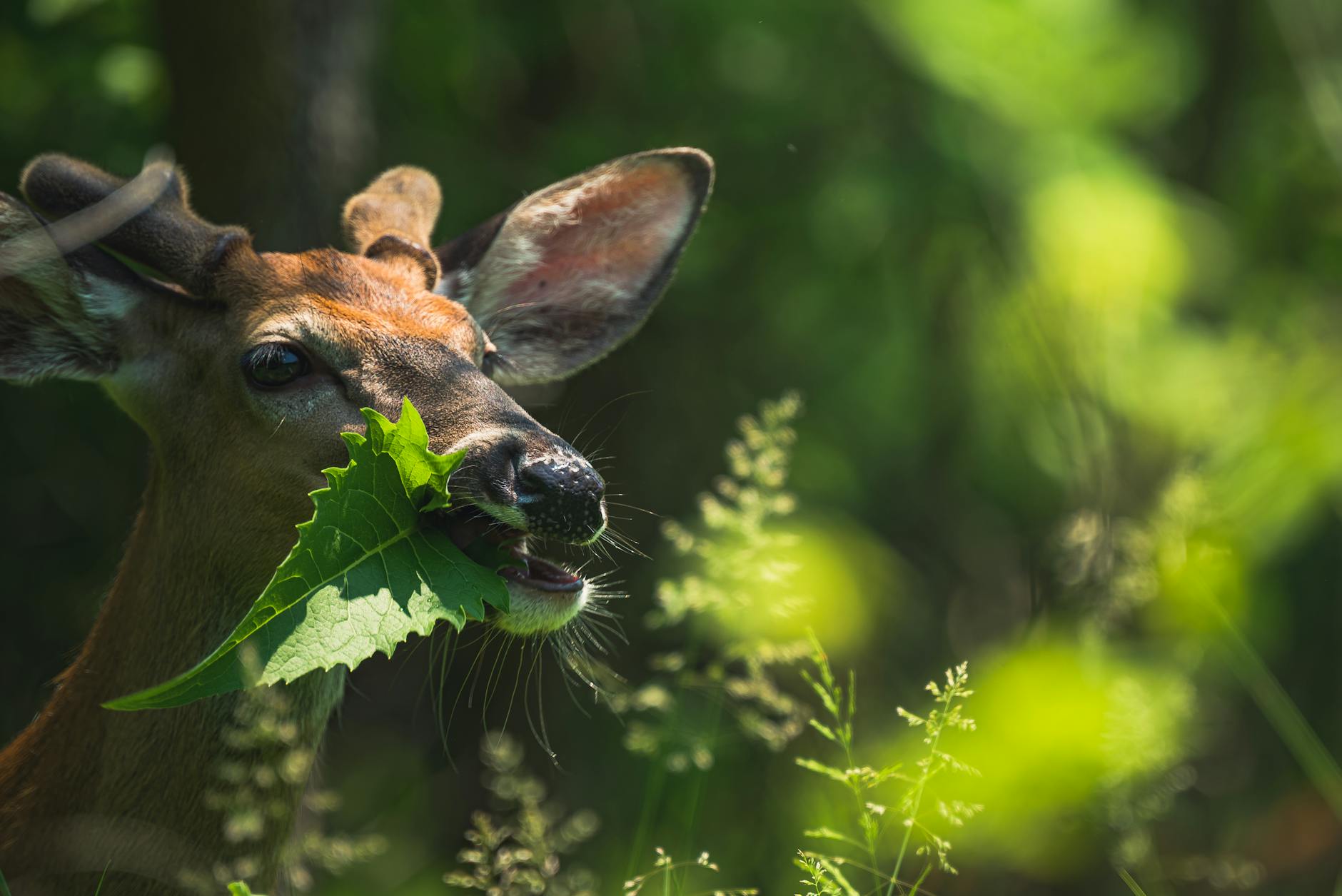
If you’ve spent any time hunting whitetails in Florida, you already know one thing: deer here do not behave like Midwestern deer. Florida’s heat, humidity, flat terrain, and unpredictable weather patterns create a completely different style of hunting. Understanding how weather affects deer movement in the Sunshine State can be the difference between seeing a mature buck on his feet or staring at an empty food plot all afternoon.

From late summer thunderstorms to rare cold fronts, weather plays a major role in how and when Florida deer move. Hunters who learn to adapt to these conditions consistently put themselves in better positions throughout the season.

Late Summer Thunderstorms

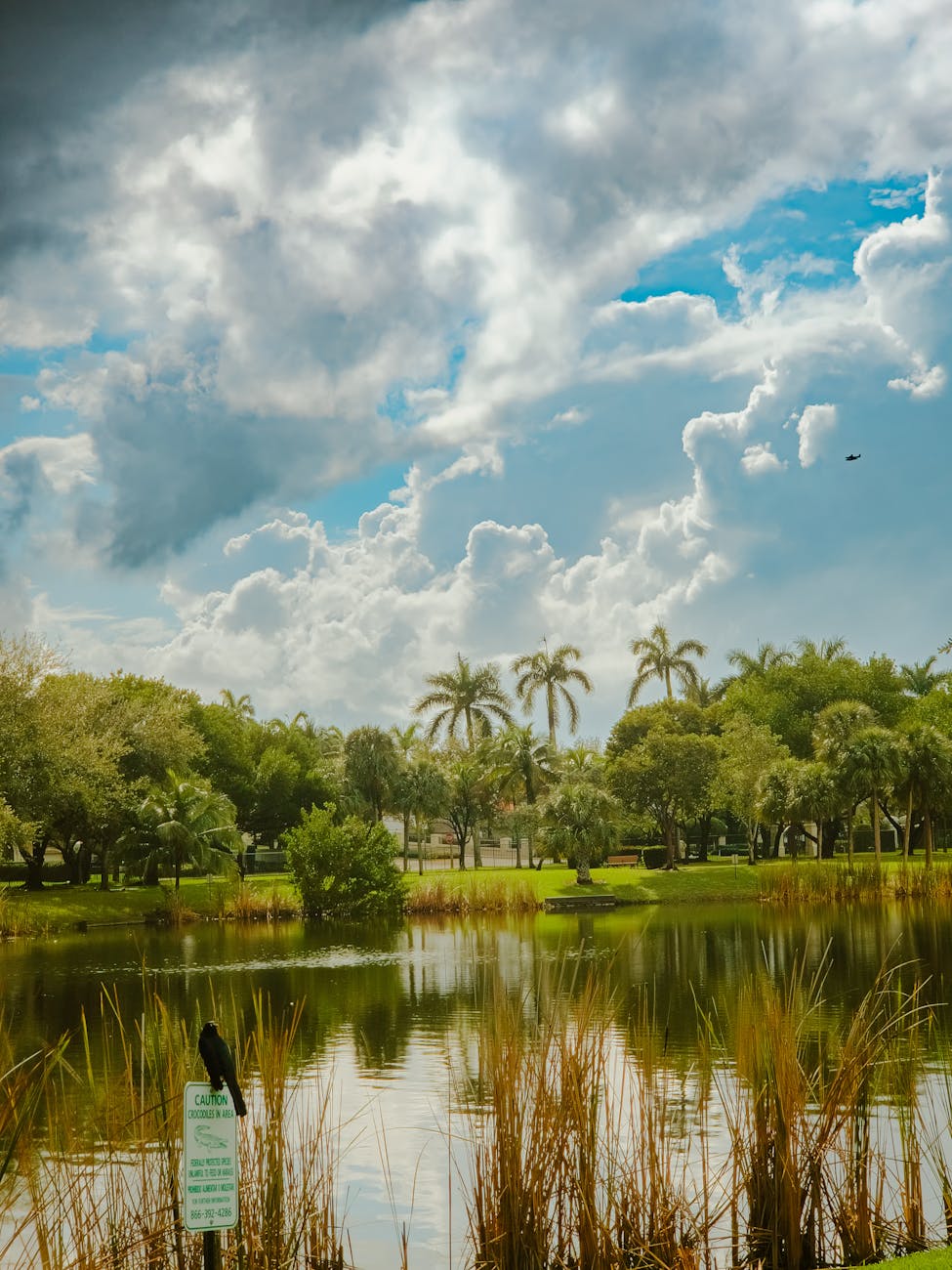
Anyone who lives in North Florida knows the routine. Hot mornings turn into towering clouds by mid-afternoon, followed by heavy rain, lightning, and strong winds. These daily thunderstorms heavily influence deer movement during scouting season and early archery season.

Before the Storm

One of the best movement windows in late summer often happens just before a thunderstorm arrives. As barometric pressure begins to change and temperatures slightly cool ahead of rain, deer frequently get on their feet earlier than normal.

Bucks that normally stay buried in thick cover during the heat may briefly move into food plots, browse edges, or shaded oak hammocks before the storm hits. If you notice dark clouds building and winds beginning to shift, it can create a short but productive feeding window.

During Heavy Rain

Florida deer typically bed down during intense thunderstorms. Heavy rain limits visibility, reduces scent detection, and creates uncomfortable conditions for movement. Mature bucks especially tend to stay tucked into thick bedding cover during the worst weather.

However, light rain is a different story. A steady drizzle can actually improve hunting conditions because it softens sound and helps conceal hunter movement.

After the Storm

Immediately after a summer storm passes can be one of the most underrated times to hunt in Florida. Temperatures often drop several degrees, humidity briefly decreases, and deer begin feeding aggressively after sitting tight during the rain.

Fresh browse knocked down by wind and rain also attracts deer to edges and open areas. Evening hunts after a thunderstorm can be surprisingly productive during the early season.

Heat Waves and High Temperatures

Heat is the biggest challenge for Florida deer hunters. Early season temperatures regularly stay in the upper 80s and 90s, and deer movement slows dramatically during extreme heat.

How Deer React to Heat

During heat waves, deer conserve energy by minimizing daytime movement. They focus heavily on survival rather than unnecessary activity. Most movement happens:

  • Very early in the morning
  • During the final minutes of daylight
  • At night

Mature bucks especially become nocturnal during extended hot periods.

Florida deer seek out:

  • Thick shaded cover
  • Swamps and creek bottoms
  • Areas with steady wind
  • Water sources
  • Dense pine plantations
  • Hammocks with cooler ground temperatures

Hunting During Heat Waves

Many hunters give up when temperatures rise, but there are still ways to find success.

Focus on:

  • Water sources
  • Transition areas near bedding cover
  • Small shaded food plots
  • Travel corridors with consistent airflow

Even in extreme heat, deer still need to eat and drink. The key is understanding they simply move less and do it during shorter windows.

Trail cameras become extremely valuable during hot weather because they help identify exact movement times. Sometimes a mature buck may only appear during a 15-minute window right at dark.

Early Season Food Patterns

In hot weather, deer often prioritize high-moisture food sources. Soft mast, persimmons, muscadines, and green browse can sometimes outproduce traditional food plots during the early season.

Hunters who scout natural food sources during late summer often gain a major advantage.

Cold Fronts: Florida’s Best Deer Hunting Weather

Nothing changes deer movement in Florida more than a cold front.

Ask almost any experienced Florida hunter, and they’ll tell you the same thing: when the temperature drops, you need to be in the woods.

Why Cold Fronts Matter

Florida deer spend most of the year dealing with heat stress. Even a small temperature drop of 10 to 15 degrees can dramatically increase activity levels.

Cold fronts create:

  • Increased daytime feeding
  • Longer movement periods
  • More rut activity
  • Greater buck visibility
  • Increased travel between bedding and feeding areas

The first major cold fronts of fall are especially important. Deer that have been mostly nocturnal suddenly begin moving during daylight hours.

Timing the Front

The best hunting often occurs:

  • The evening before the front arrives
  • The first full day after the front
  • The second morning after temperatures drop

Rising movement is often tied to:

  • Falling temperatures
  • Higher barometric pressure
  • Lower humidity
  • Increased comfort for deer

In North Florida, some of the best hunts of the year happen after a hard rain followed by crisp, dry air and northwest winds.

Rut Activity During Cold Fronts

Florida rut timing varies dramatically by region, but cold fronts consistently increase rut movement wherever you hunt.

Bucks become more willing to:

  • Cruise during daylight
  • Check scrape lines
  • Push does
  • Cover larger distances

If a cold front lines up with peak rut activity, it can produce some of the best hunting conditions of the entire season.

Wind and Deer Movement

Wind is one of the most misunderstood factors in deer hunting. Many hunters focus only on scent control, but wind also changes how deer feed, travel, and bed.

Light to Moderate Wind

A steady wind is often beneficial for deer movement. Deer rely heavily on their noses, and consistent wind helps them monitor danger while moving through open areas.

Moderate wind can:

  • Encourage daytime movement
  • Help deer feel secure
  • Increase feeding activity
  • Improve hunter concealment

In Florida’s warm climate, breezy days can also reduce heat stress and insect pressure.

High Wind Conditions

Strong winds are a different story.

When wind becomes excessive, deer movement often slows. Swirling gusts make it difficult for deer to detect predators, and constant noise limits their ability to hear danger.

During high winds, deer typically:

  • Stay closer to bedding cover
  • Move in protected areas
  • Avoid open fields
  • Use creek bottoms and timber edges

If you hunt during windy conditions, focus on sheltered terrain where deer feel more comfortable.

Using Wind to Your Advantage

The best hunters don’t just “hunt the wind” for scent control — they use wind to predict where deer want to travel.

In Florida, deer often prefer:

  • Leeward ridges
  • Protected oak hammocks
  • Timber edges with airflow
  • Areas just inside thick cover

A smart stand setup uses both wind direction and deer comfort zones together.

Final Thoughts

Florida deer hunting is all about adapting. Unlike colder states where deer may move predictably every evening, Florida whitetails react heavily to weather changes.

Hunters who pay attention to:

  • Temperature swings
  • Incoming storms
  • Wind direction
  • Humidity changes
  • Cold fronts

will consistently see more deer throughout the season.

Sometimes the smallest weather shift can completely change deer behavior in North Florida. A ten-degree drop, a passing thunderstorm, or a steady north wind can suddenly turn a slow hunt into an unforgettable evening in the stand.

Learning how weather influences movement won’t guarantee success every trip, but it will absolutely help you spend more time hunting when conditions are in your favor.

And in Florida, timing matters more than almost anything.

Quota Hunt Applications Are Open

Florida Quota Hunt Applications Are Open: Here’s What North Florida Hunters Need to Know

If you plan on hunting Florida public land this season, now is the time to pay attention.

Florida’s quota hunt application periods are opening for the 2026–2027 season, and if you hunt Wildlife Management Areas (WMAs), this process can make the difference between spending fall in a stand—or sitting at home wishing you had applied. Quota permits help manage hunting pressure and provide quality opportunities across public lands throughout the state.

For many North Florida hunters, quota hunts are the gateway to some of the best deer, turkey, hog, and specialty opportunities available on public land.

Whether you’re a seasoned WMA hunter or applying for your first permit, here’s a breakdown of what you need to know.

What Is a Florida Quota Hunt?

Florida uses a quota permit system to control hunter numbers on certain public lands and hunt periods. These permits are used on many WMAs to reduce overcrowding and help wildlife managers maintain healthy game populations.

Not every hunt requires a quota permit, and rules vary by WMA and season, which is why reading the individual area brochure is critical. Community hunters frequently point to brochures as one of the most important tools for understanding access and hunt rules.

For hunters across North Florida, this could include opportunities for:

  • Whitetail deer
  • Turkey
  • Hog hunts
  • Waterfowl
  • Special opportunity hunts
  • Limited-entry public land hunts

How To Apply for Florida Quota Permits

The application process is fairly straightforward once you know where to go.

Step 1: Create or Log Into Your Account

Go to the official Florida licensing portal:

Go Outdoors Florida

Log into your account or create one if you’re a first-time applicant.

Step 2: Select “Apply for Limited Entry / Quota Permits”

Inside your account dashboard, navigate to:

Apply for Limited Entry / Quota Permits

Florida’s limited-entry system handles quota hunts, special opportunity hunts, and other draw-based opportunities.

Step 3: Research Your WMA Before Applying

Before selecting a hunt:

  • Read WMA brochures
  • Study hunt dates
  • Review weapon restrictions
  • Check quota requirements
  • Understand access rules

This is especially important because some North Florida areas have different rules depending on archery, muzzleloader, and general gun periods.

Step 4: Submit Your Choices

Choose your hunt preferences and submit your application before deadlines close.

Application periods open at designated times and close at midnight on the final day of the application period.

A Few Tips From Florida Public Land Hunters

Over time, experienced hunters around the state have learned a few things:

  • Build preference points over time
  • Apply consistently every year
  • Consider less popular dates or hunt periods
  • Read brochures carefully
  • Have backup plans

Many Florida hunters note that some highly sought-after quota hunts can take years of preference points to consistently draw.

North Florida Areas Worth Researching

Depending on where you live, many hunters begin looking at areas around:

  • Suwannee County
  • Big Bend region
  • Osceola area properties
  • North Central Florida WMAs
  • Public lands surrounding Madison and Lake City

The best approach is identifying land within driving distance and learning those properties year after year.

Final Thoughts

Florida’s public land system can feel confusing when you’re first getting started. Between brochures, preference points, quota applications, and different regulations, there’s definitely a learning curve.

But once you understand it, some incredible opportunities open up.

At Timber & Marsh, we’ll continue sharing North Florida hunting updates, public land information, and community discussions to help hunters stay informed.

If you’re applying this year, let us know what areas you’re putting in for and where you’re hoping to spend your fall.

Good luck, and we’ll see you in the woods.

— Timber & Marsh